Bronzeville Civic Living
A Mixed-Use Neighborhood Anchor on 47th Street
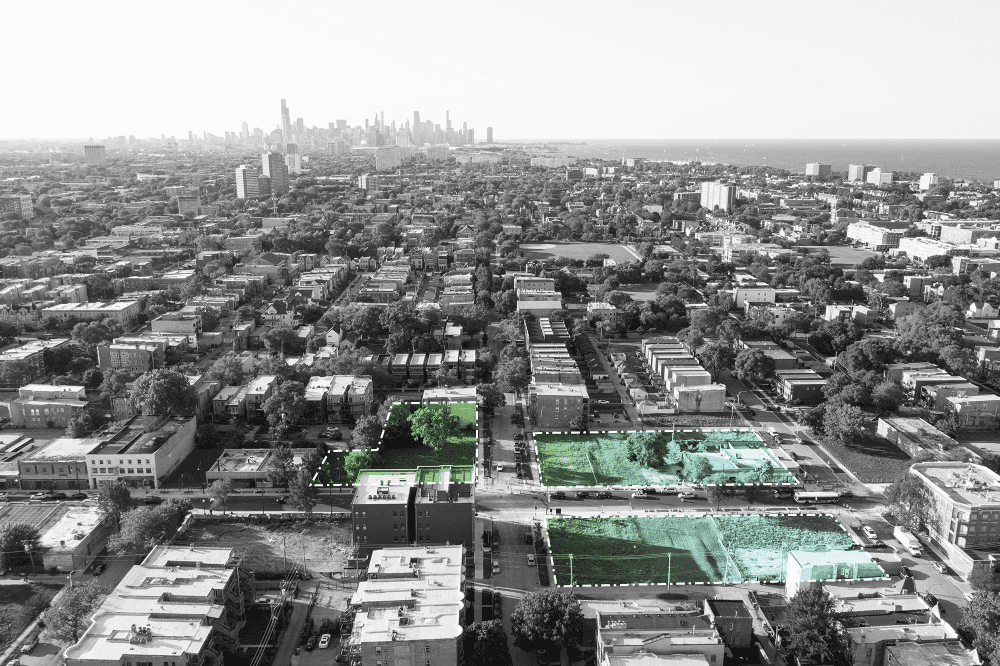
47th Street has long functioned as a connective spine through Bronzeville, linking transit, local institutions, and neighborhood activity. Despite this role, many blocks along the corridor remain fragmented by vacant parcels, surface parking, and underutilized sites that weaken street life and continuity.
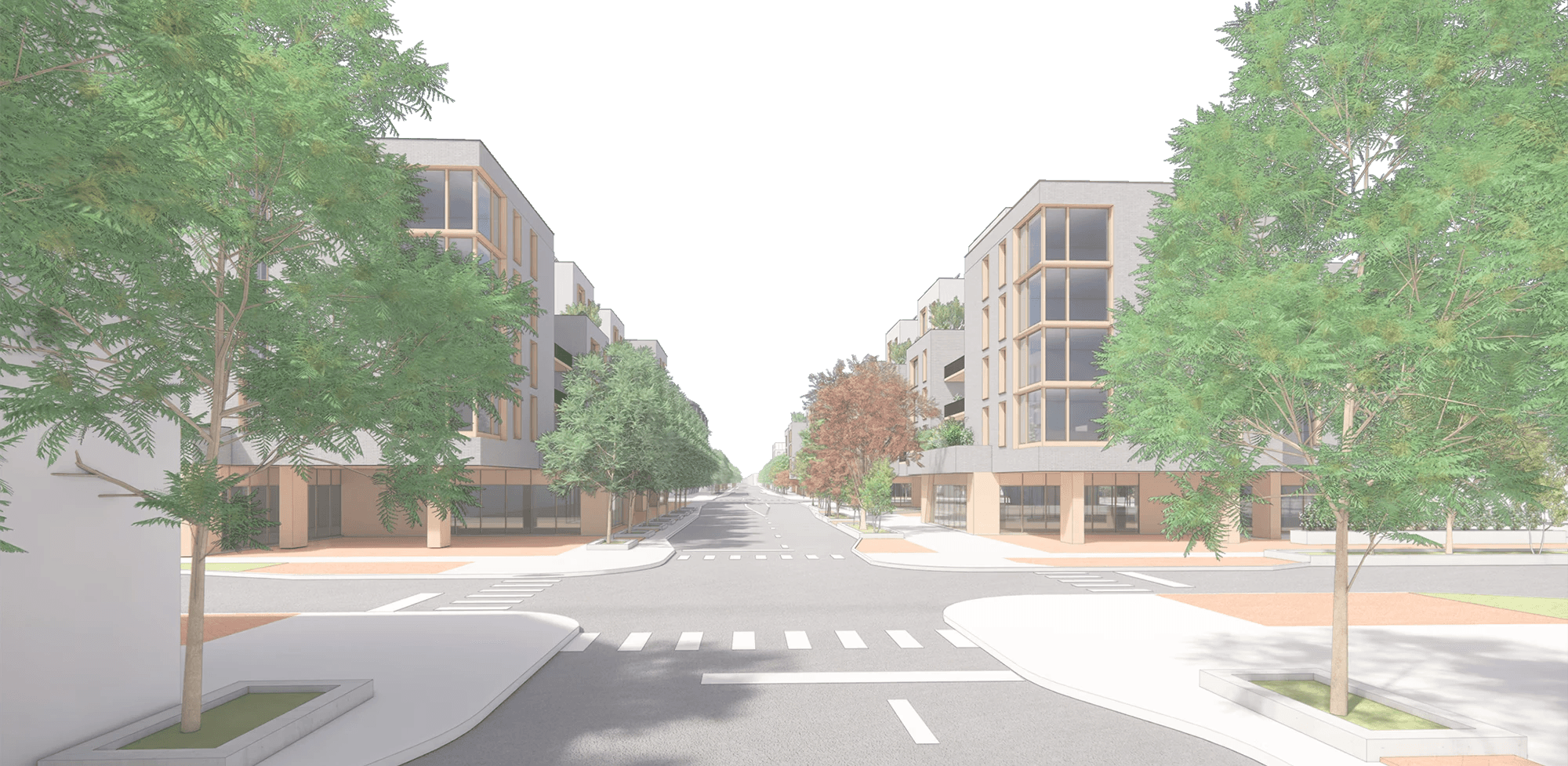
Bronzeville Civic Living responds by positioning new development to reinforce existing movement patterns and support adjacent uses. By engaging the street directly and respecting the surrounding scale, the project leverages context as an asset rather than a constraint.
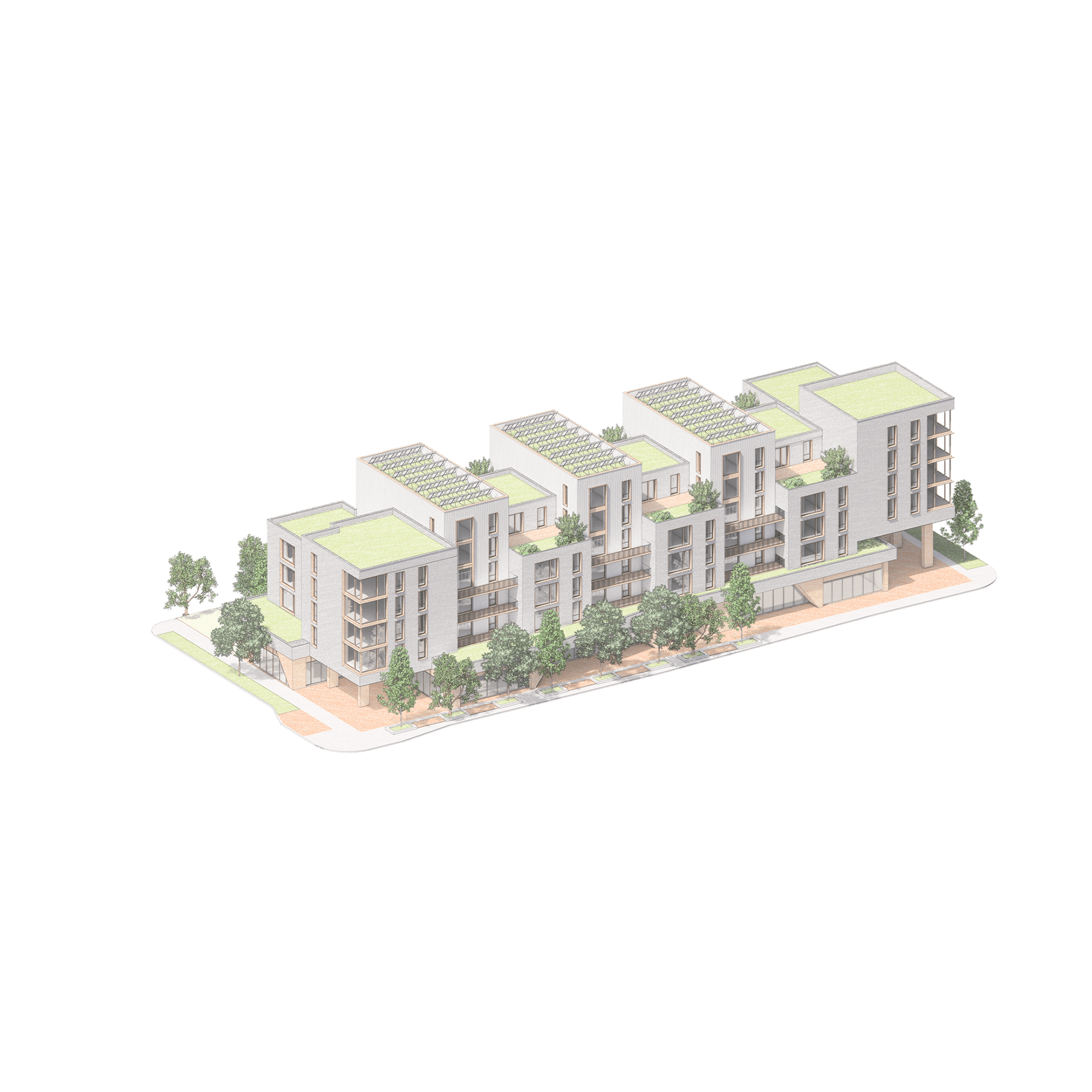
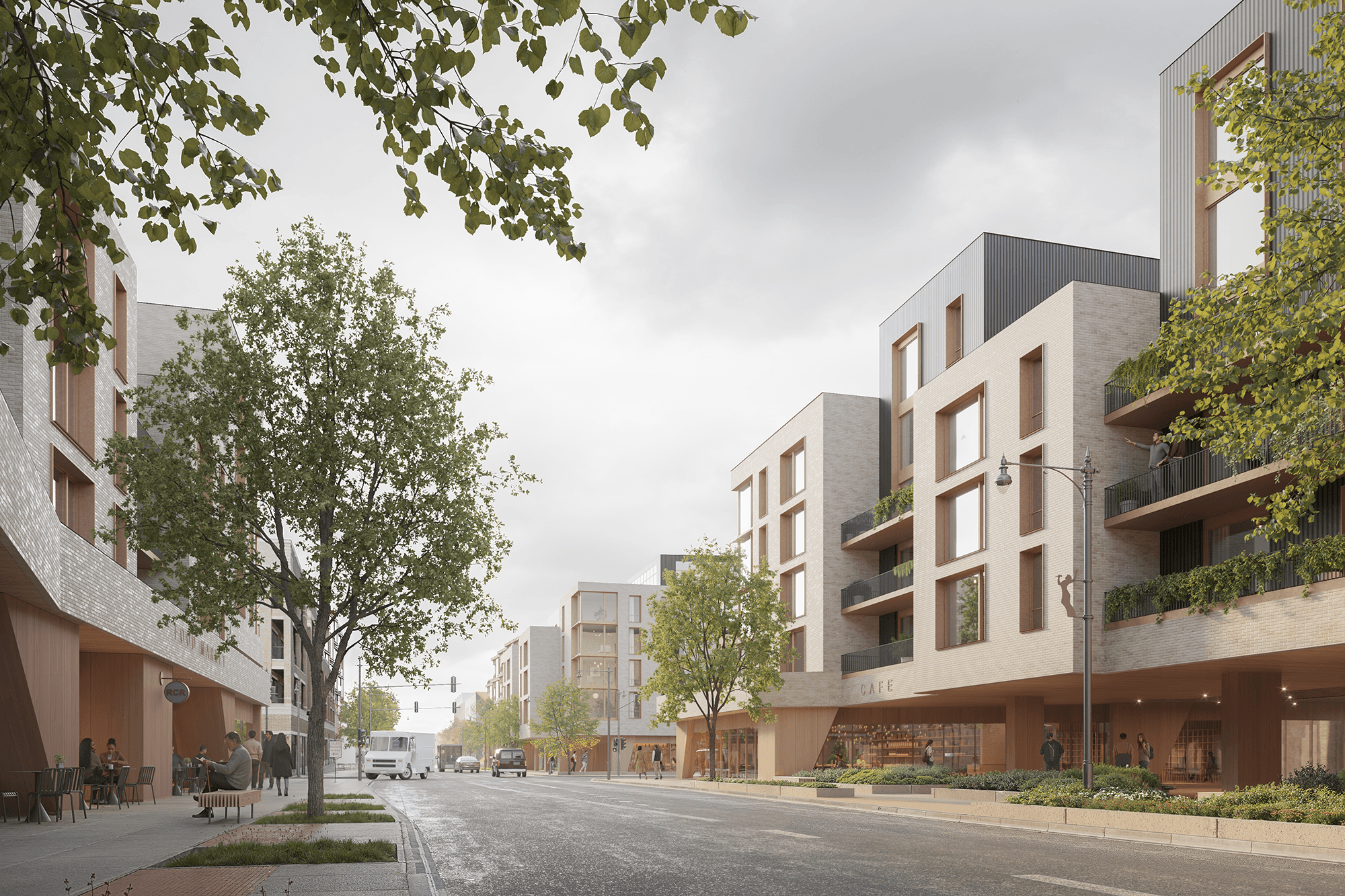
Bronzeville Civic Living is guided by a clear framework rather than a fixed architectural outcome.
The project prioritizes human-scaled massing, active ground-floor uses, flexible residential layouts, and architectural restraint. Each element is calibrated to support long-term neighborhood value while remaining adaptable to evolving needs.
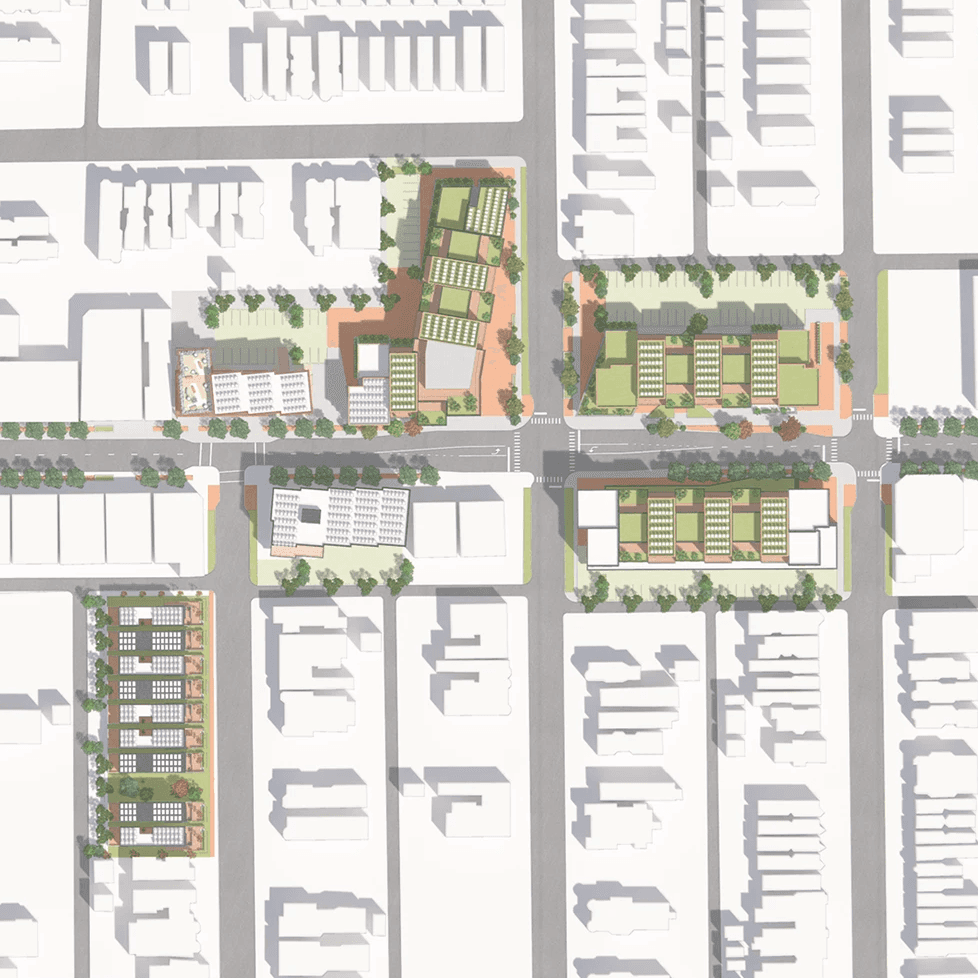
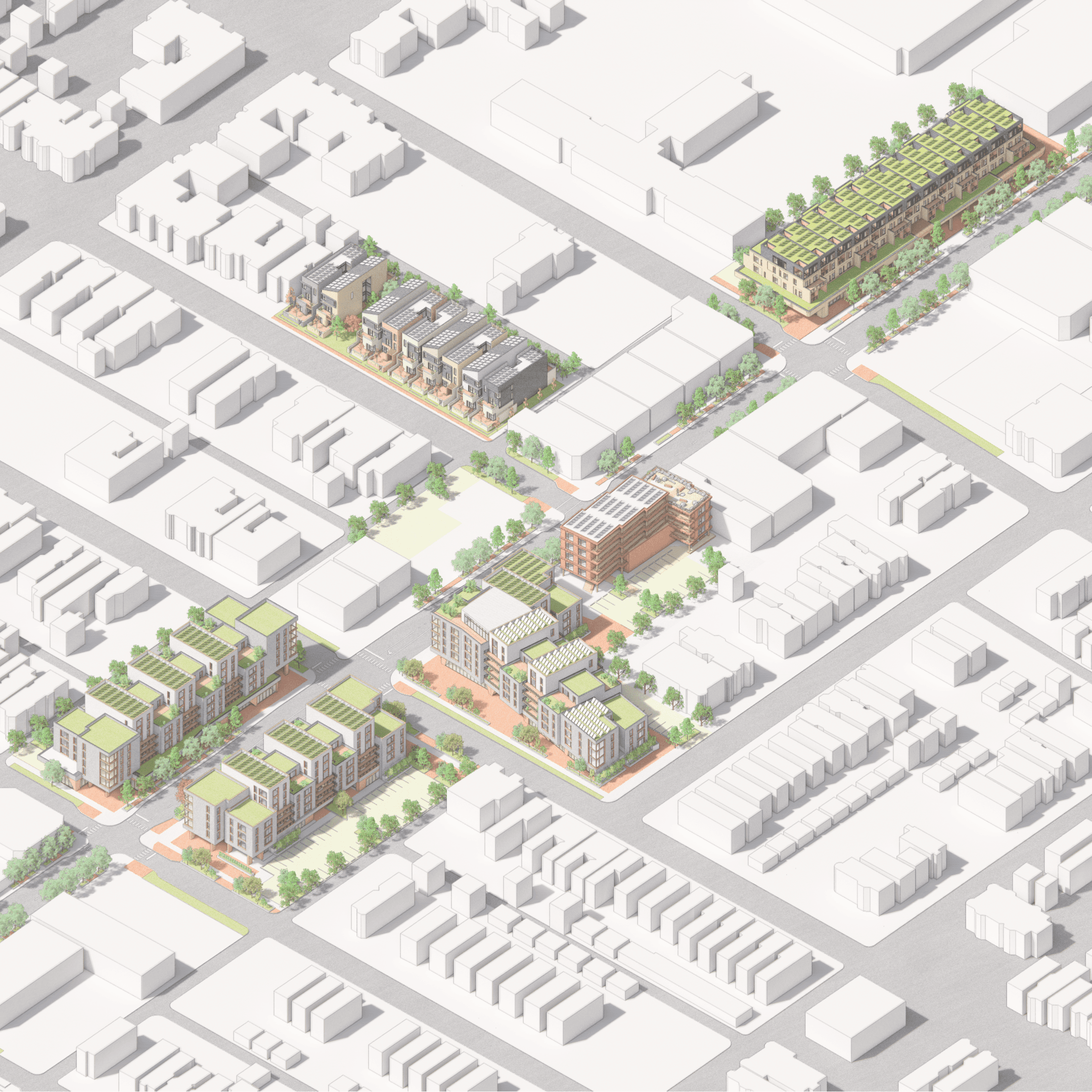
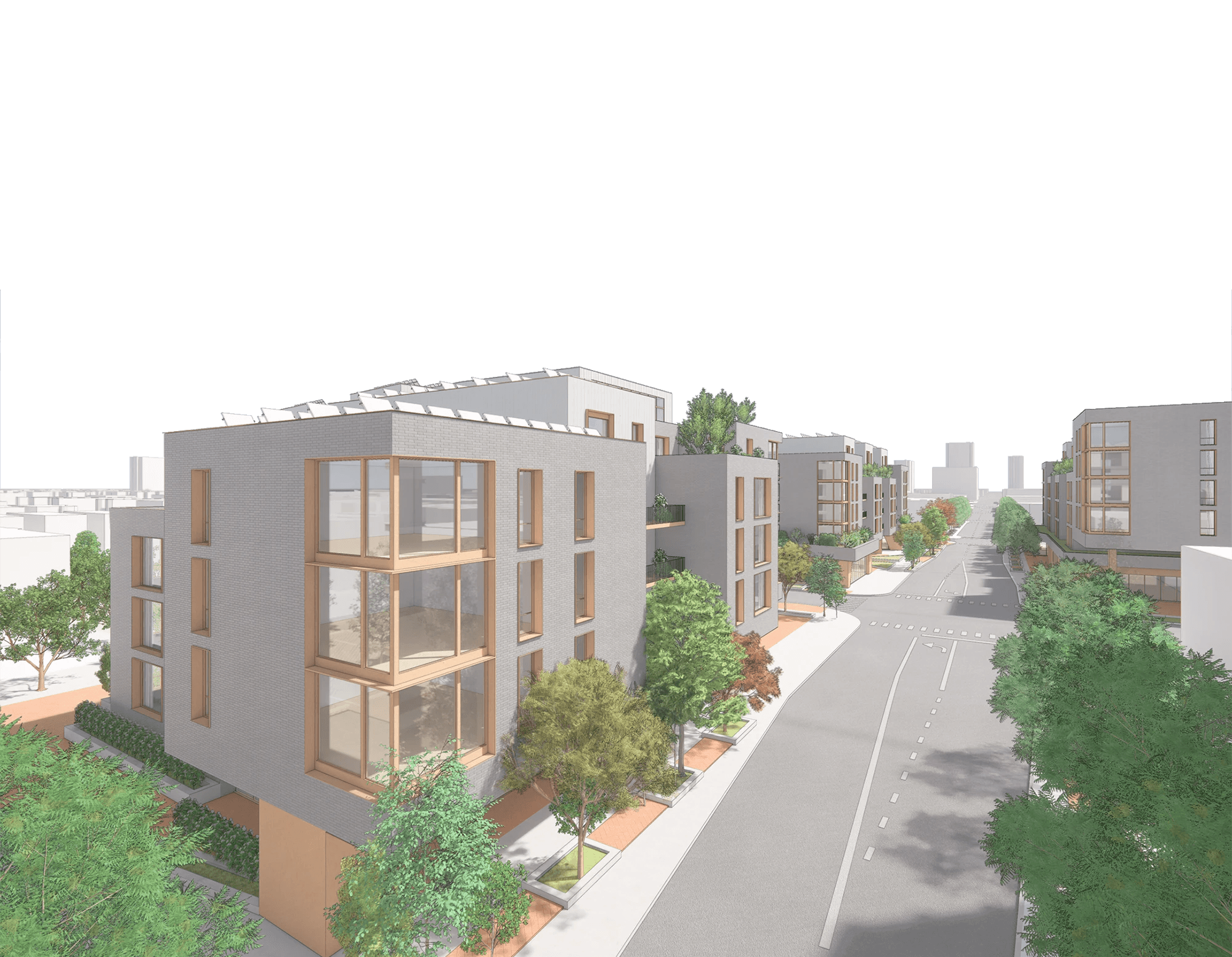
The development is organized as a compact and walkable cluster that concentrates activity where it can have the greatest impact.
Entrances, storefronts, and public-facing programs are aligned along key street edges to establish a clear center of gravity within the block. This focused activation strengthens pedestrian flow, reinforces safety through visibility, and encourages incremental growth in surrounding parcels.
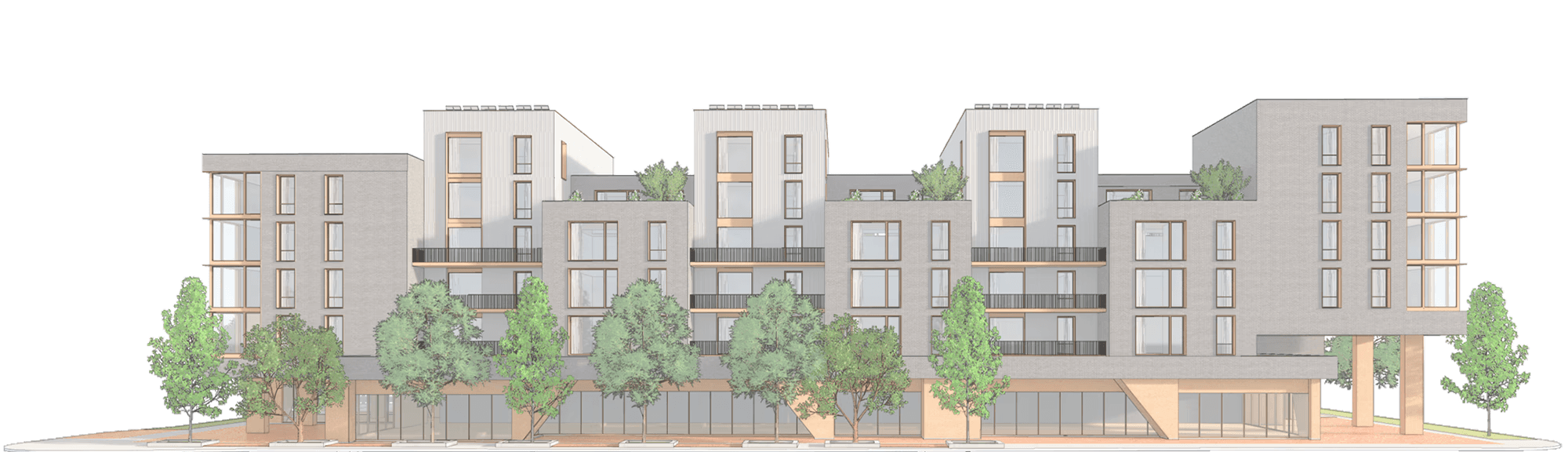
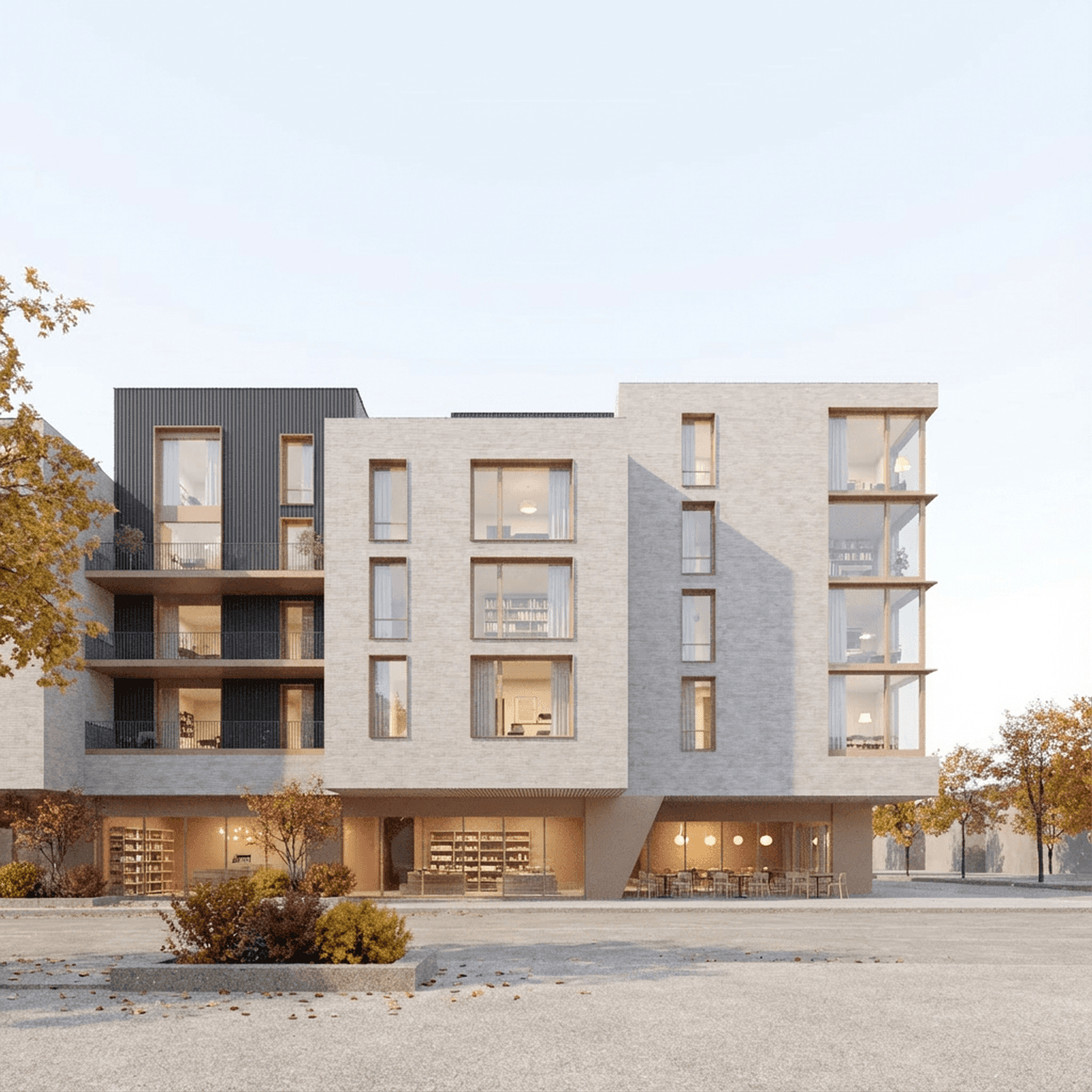
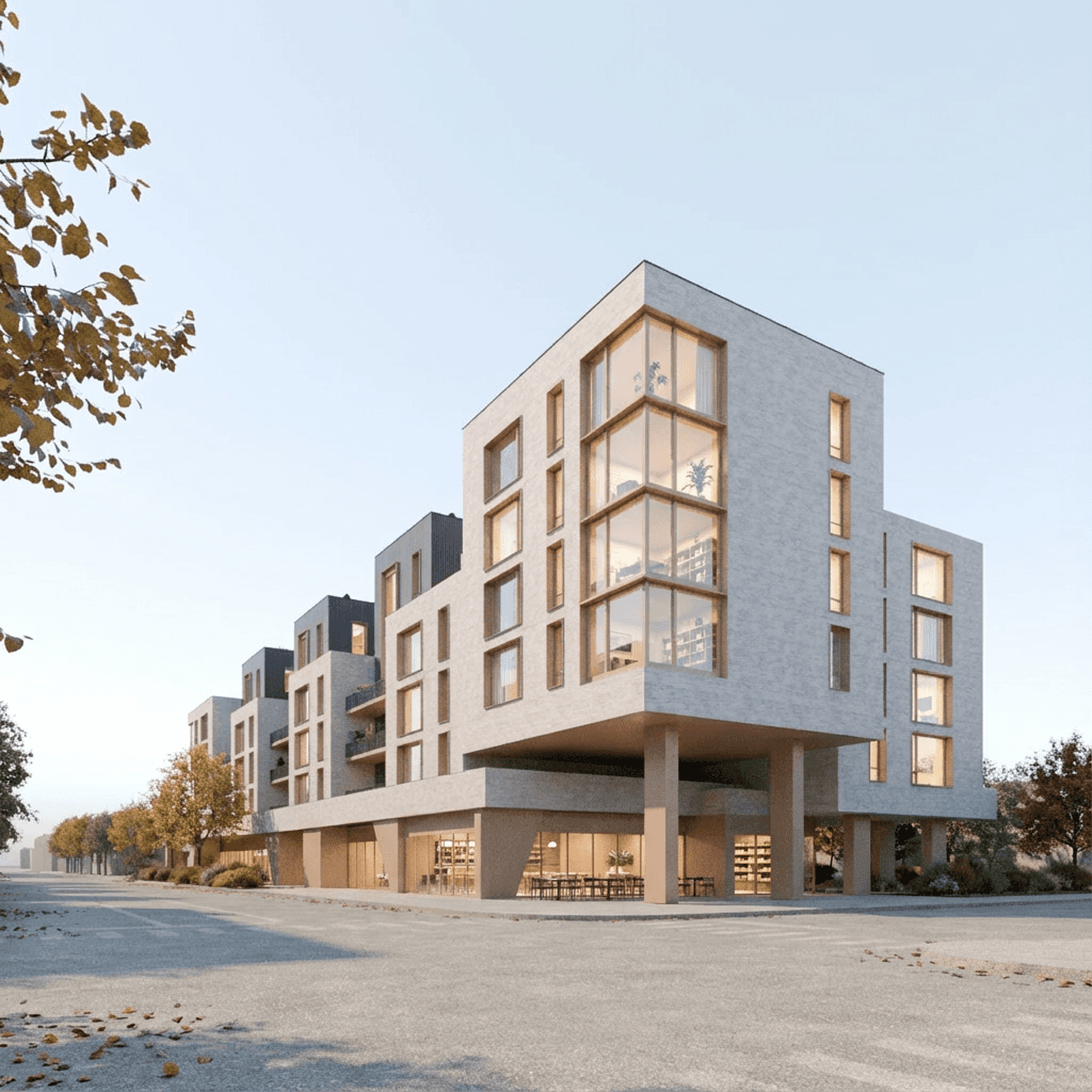
Ground-level uses are treated as essential civic infrastructure.
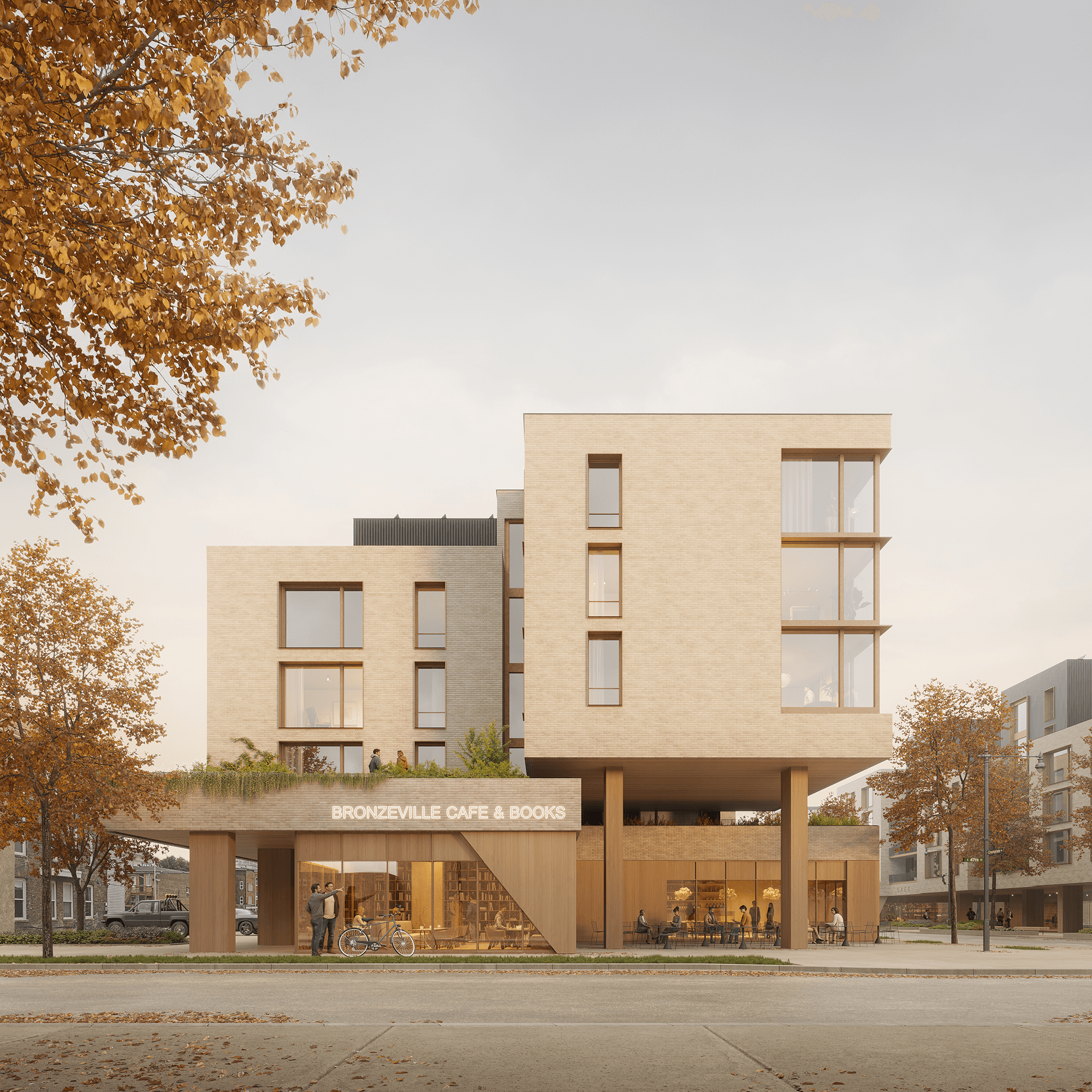
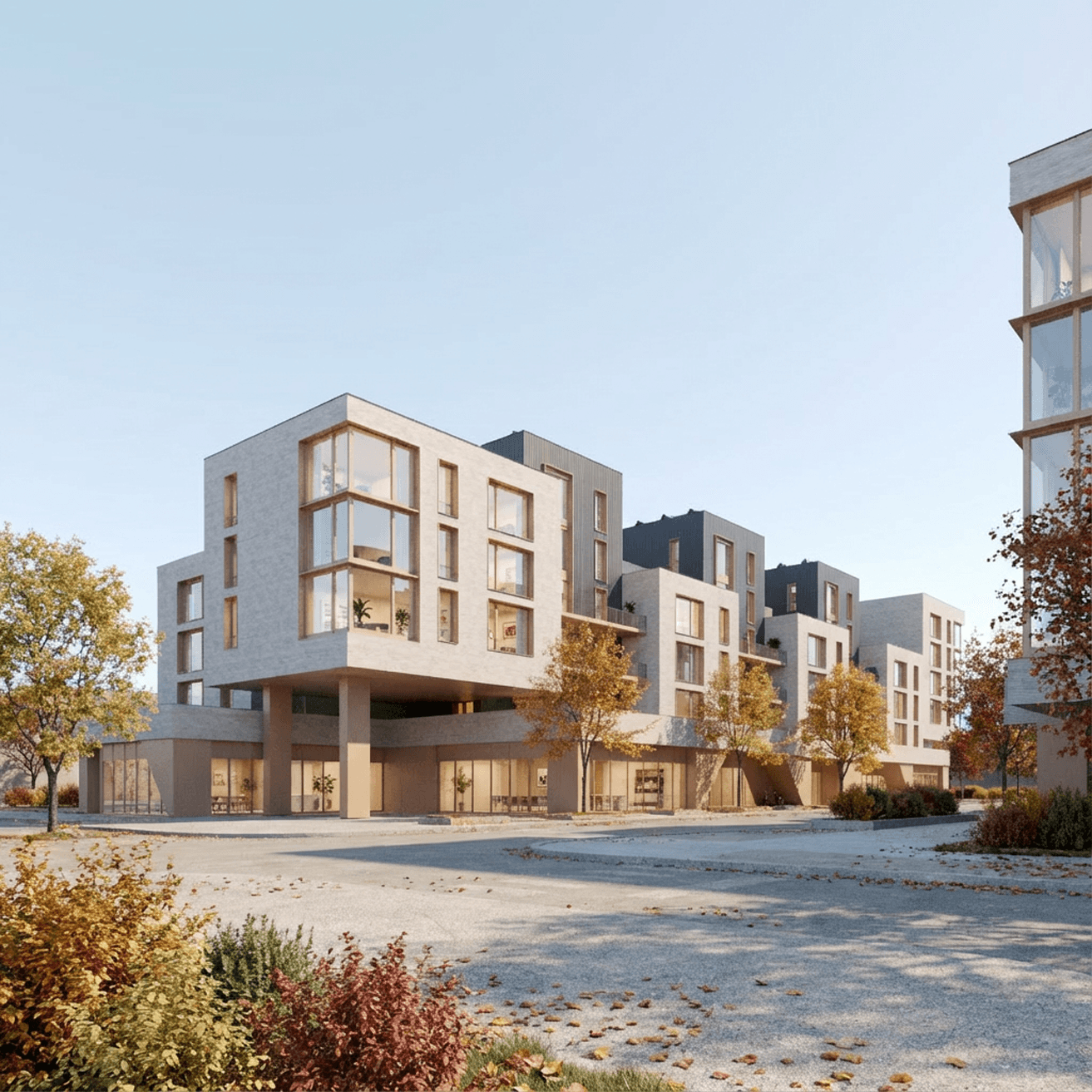
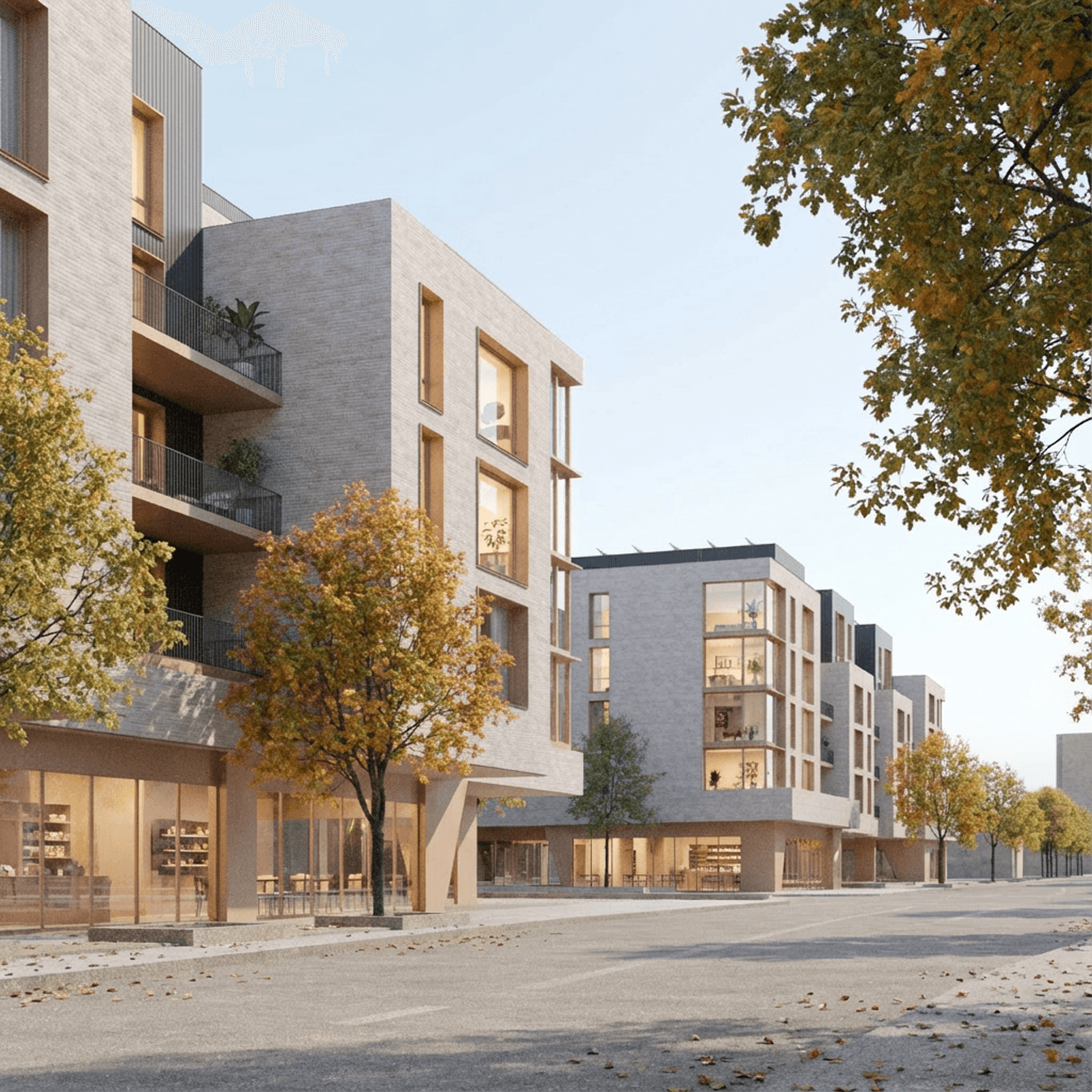
Retail, food and beverage, entertainment, and community-oriented spaces line the street, creating an active edge that supports local entrepreneurs and attracts residents and visitors throughout the day. Transparency, frequent entrances, and generous storefront proportions reinforce engagement between interior activity and the public realm.
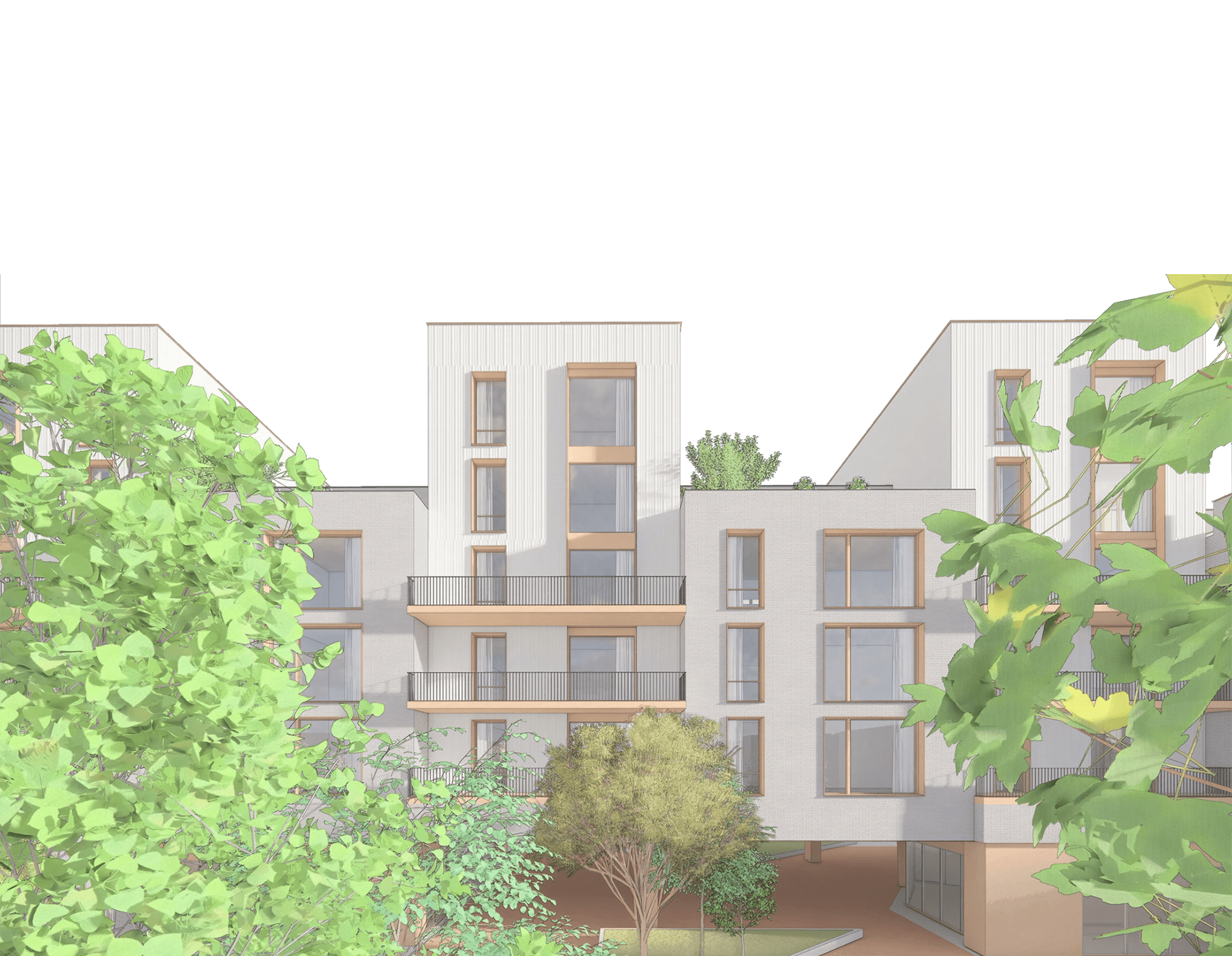
Residential floors are positioned above the active base to support comfort, flexibility, and long-term livability.
Units are designed to maximize daylight, ventilation, and access to private or shared outdoor space. Balconies, terraces, and roof gardens extend living beyond the unit while contributing to the building’s rhythm and scale. Housing is integrated as an active contributor to street life rather than a detached program.
Public space is woven throughout the project as connective tissue.
Widened sidewalks, shaded edges, and integrated landscape elements support walkability and informal gathering. These spaces complement existing neighborhood activity and reinforce continuity along 47th Street rather than competing with it.
Bronzeville Civic Living reflects OAO’s approach to working at the intersection of architecture, urban design, and community engagement.
The project was developed through a close study of zoning frameworks, construction feasibility, and neighborhood context. Community input and local history informed decisions from program mix to material strategy, ensuring alignment between ambition and real-world conditions.
Bronzeville Civic Living proposes a framework for growth rather than a final statement.
By prioritizing public life, adaptability, and identity, the project offers a model for mixed-use development that contributes meaningfully to Bronzeville’s next chapter. It is designed to evolve with the neighborhood while remaining grounded in its cultural and civic legacy.
Related Research.
Design decisions were informed by research into transit-oriented development and neighborhood-scale housing.

Next projects.
(2016-25©)