
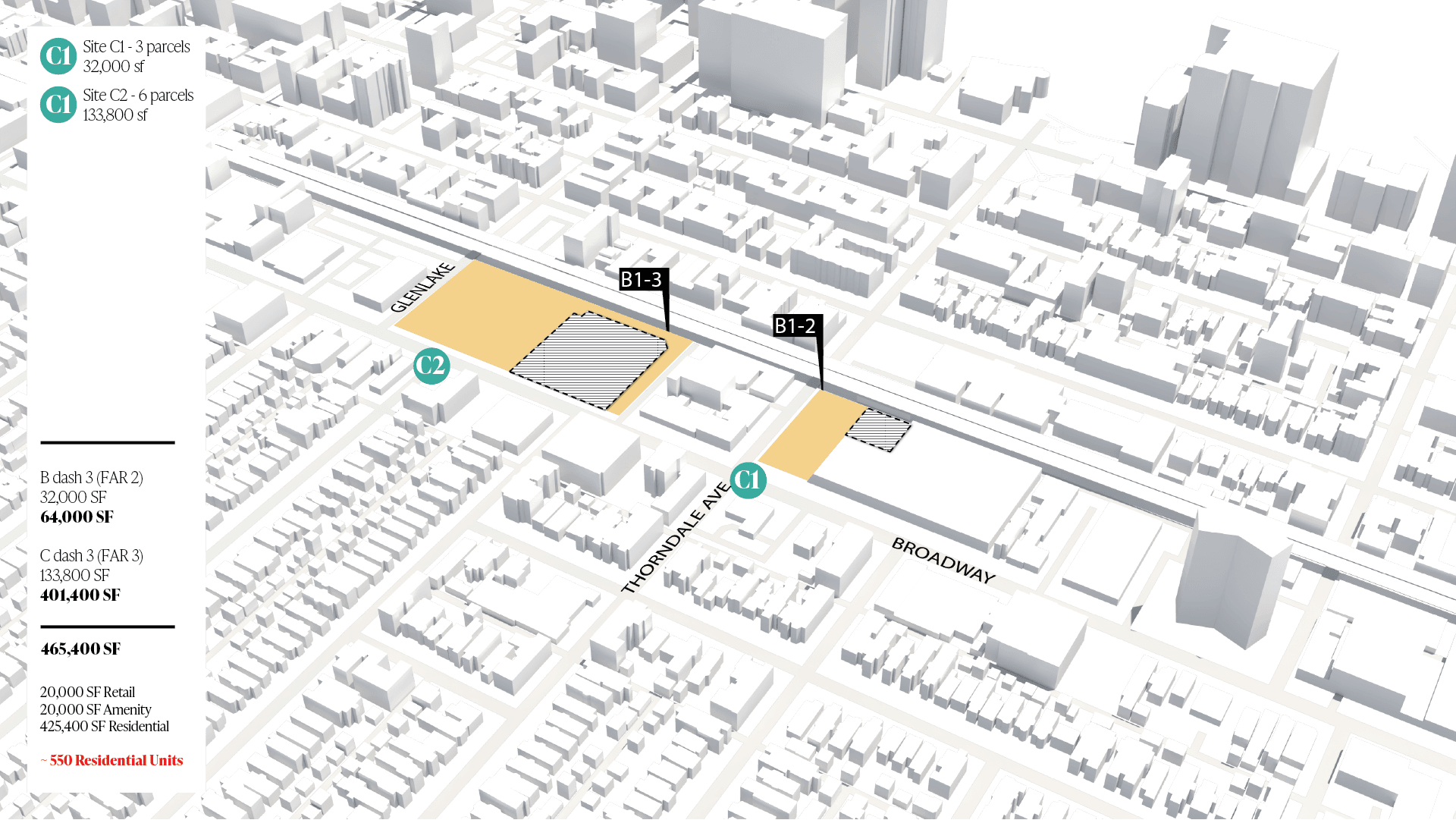
Transit-oriented development succeeds when policy, design, and everyday life are aligned.
From Policy to Built Form
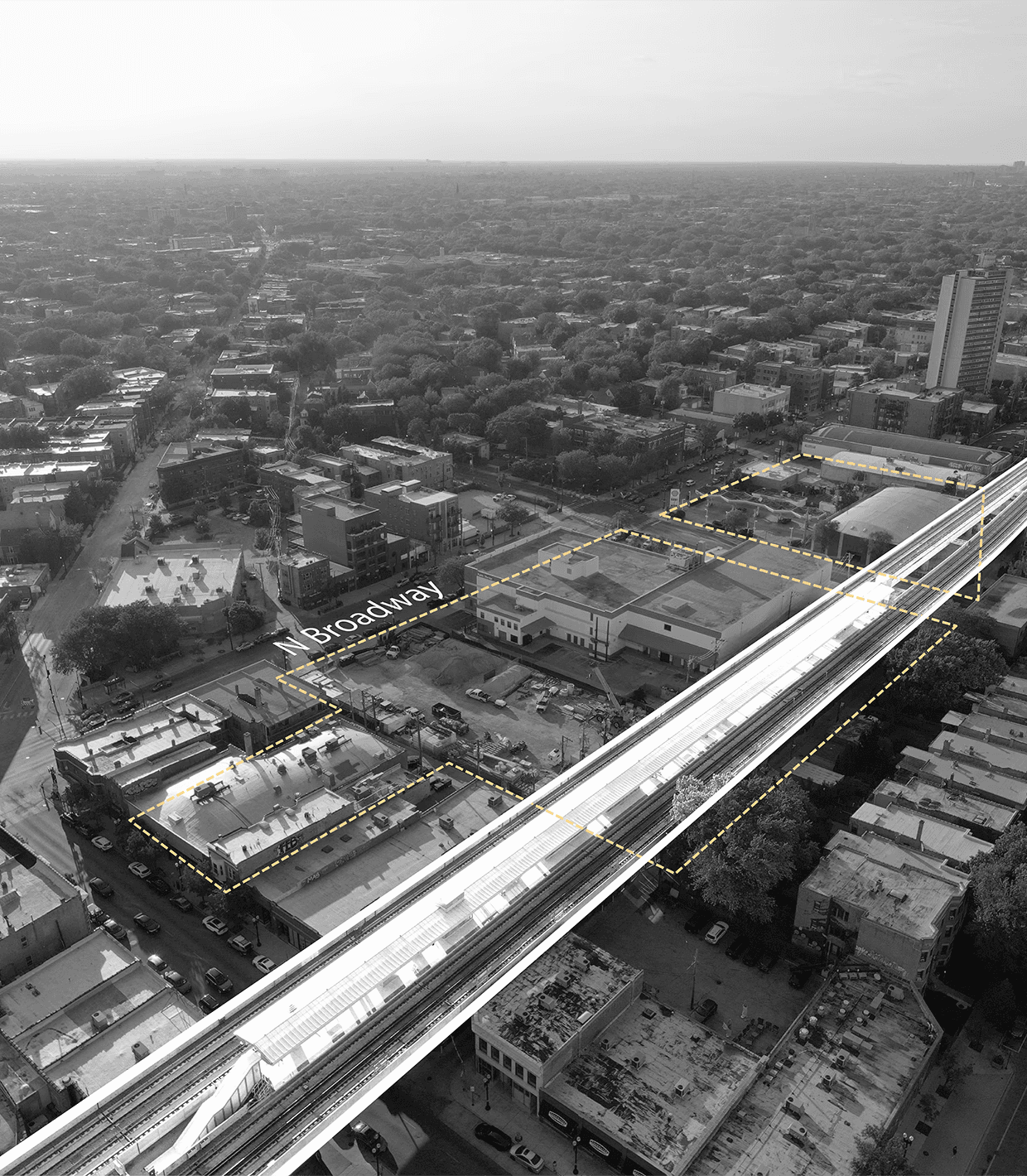
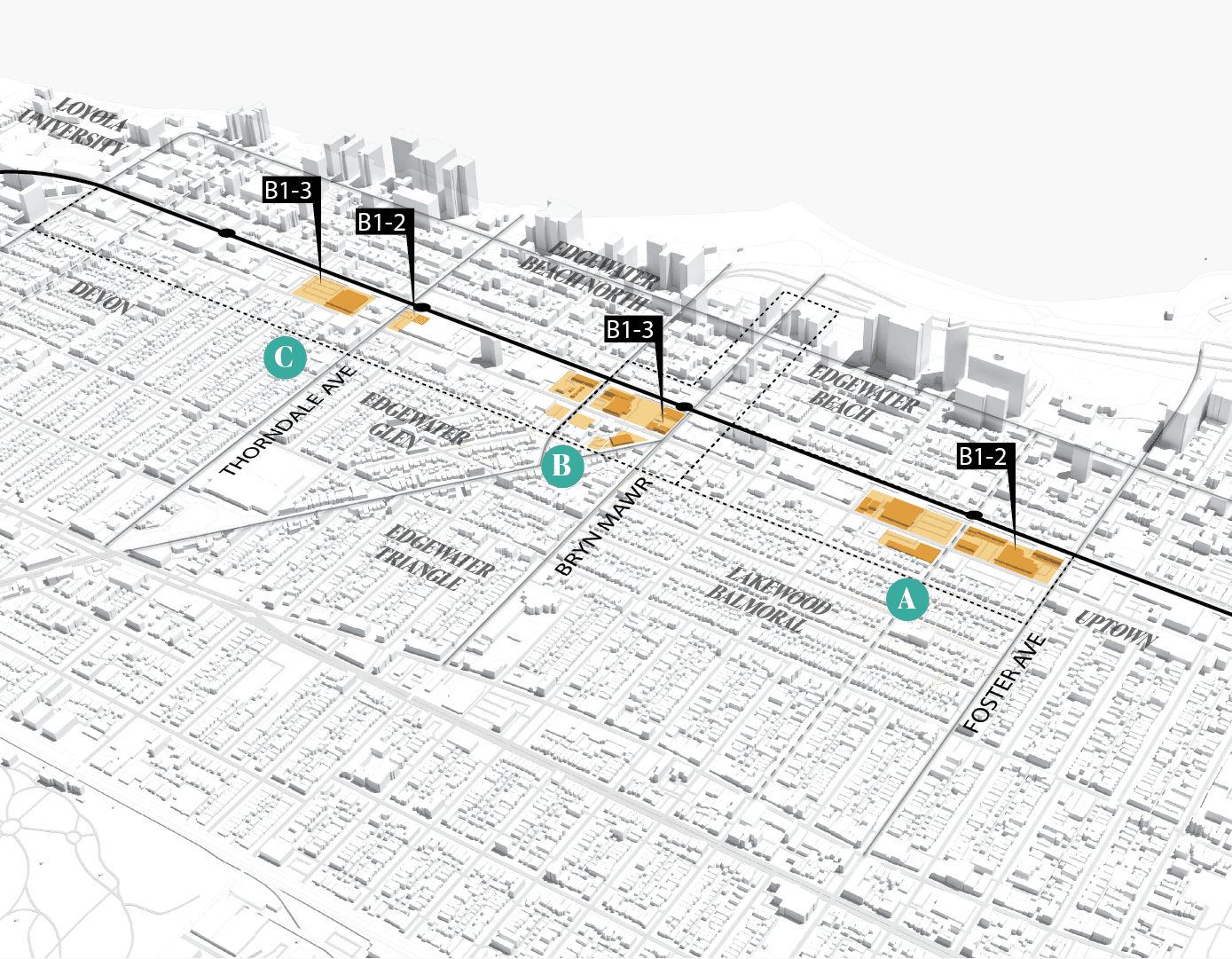
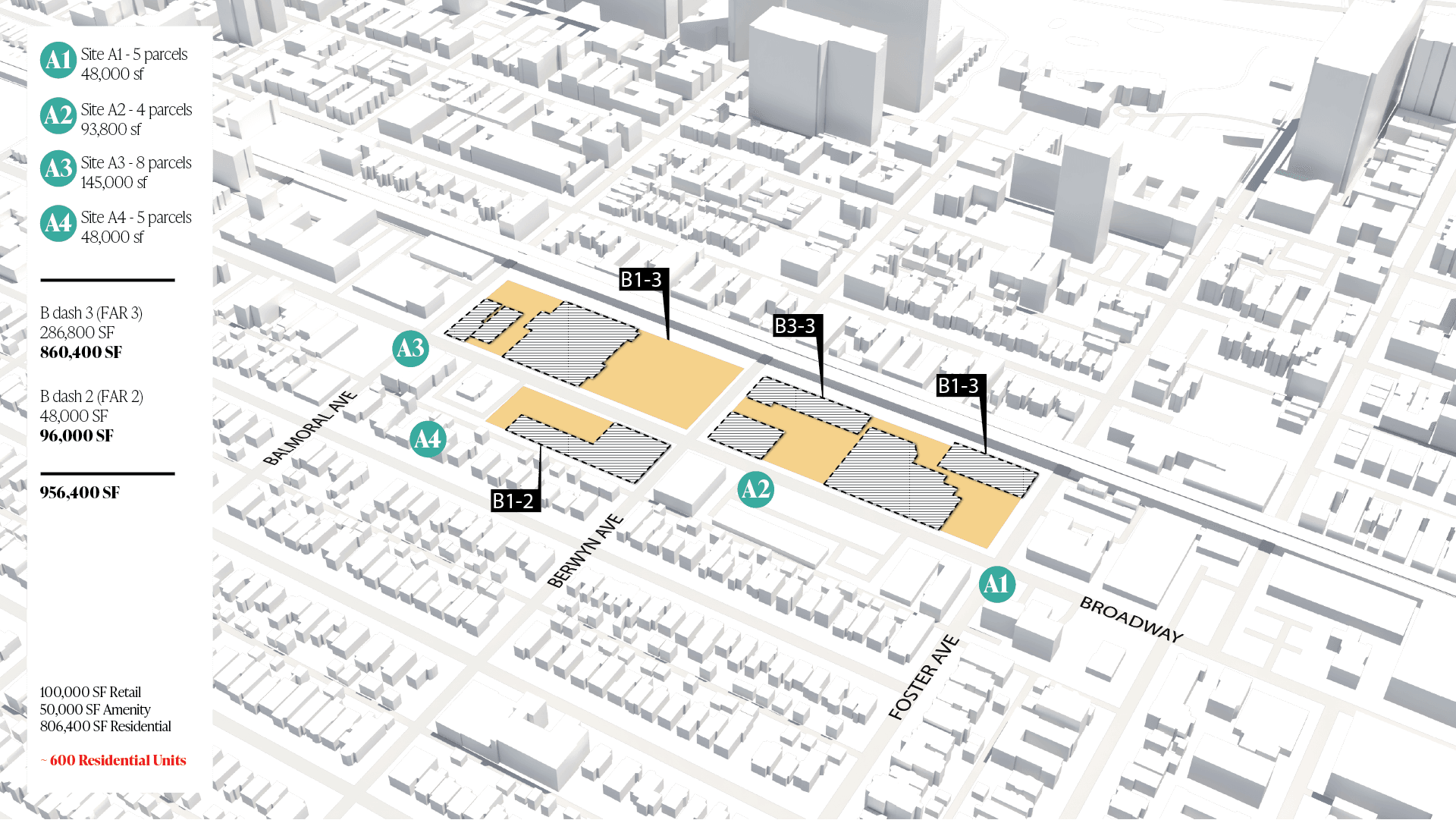
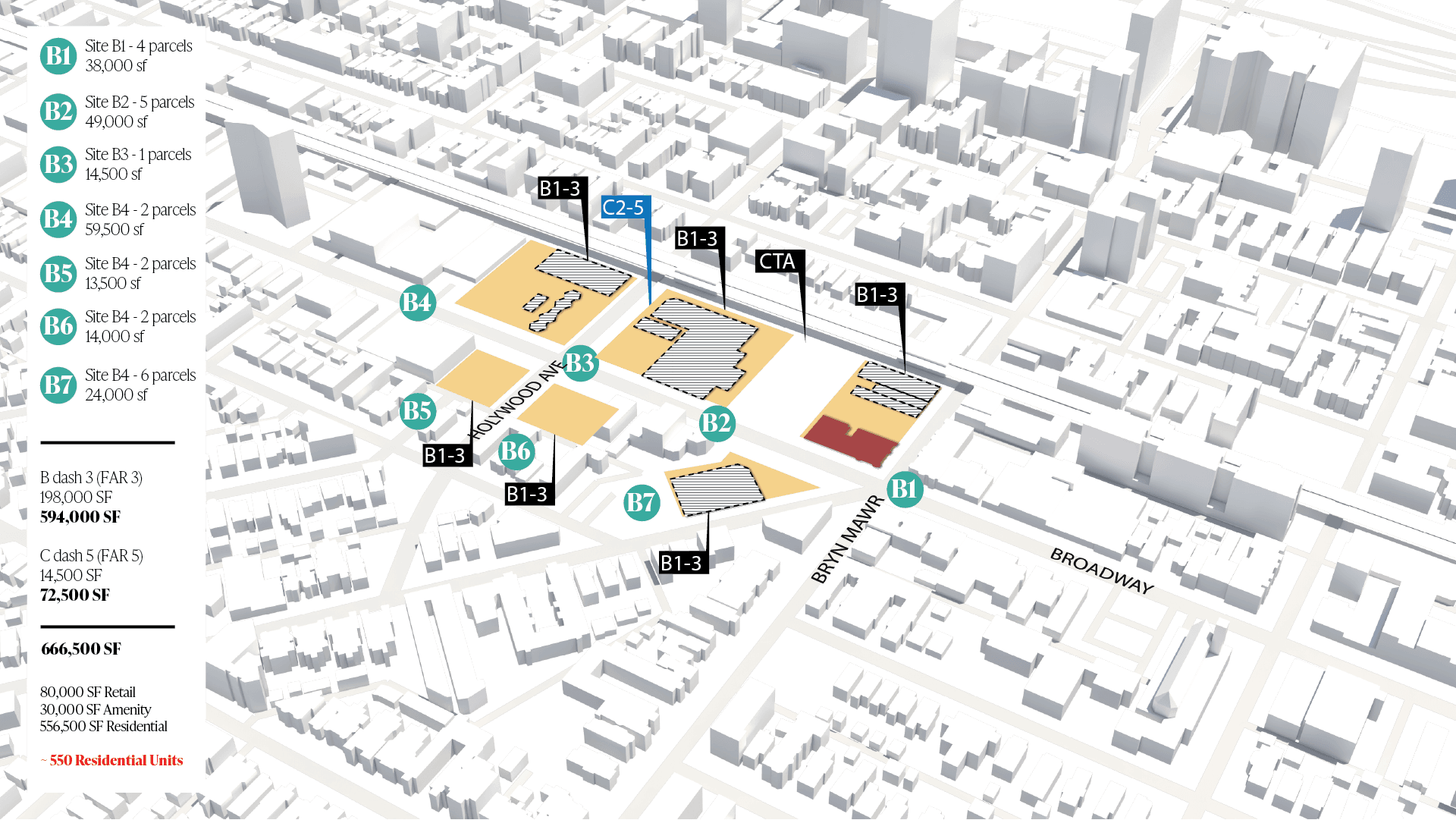
Chicago’s TOD ordinance has expanded opportunities for density and reduced parking near transit, but outcomes vary widely depending on site conditions, market forces, and design decisions. This research studies how regulatory frameworks interact with parcel size, infrastructure, existing buildings, and neighborhood context.
By tracing projects from entitlement through construction, OAO identifies where TOD policies enable housing delivery and where additional design intelligence is required to achieve livable, durable outcomes.
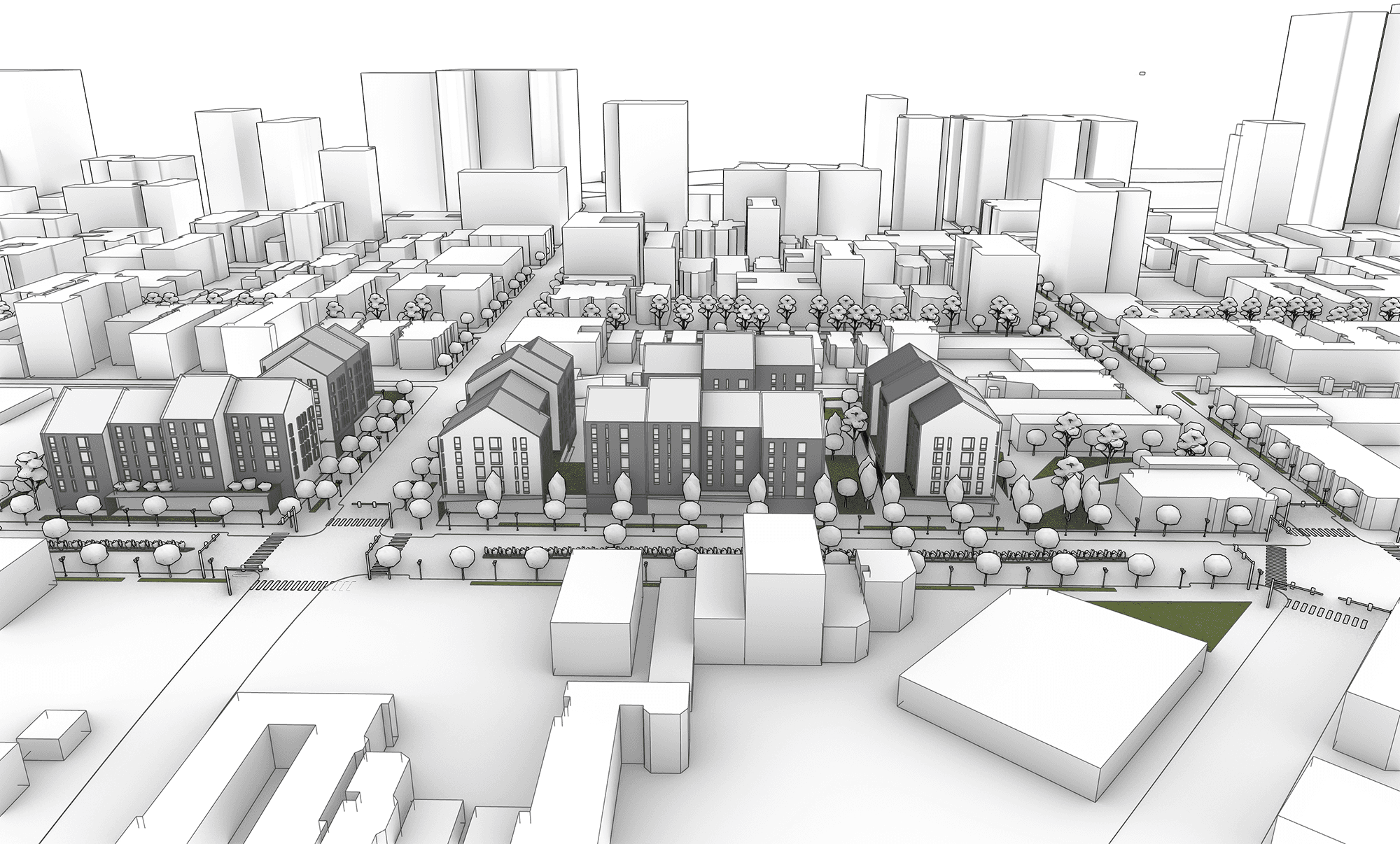
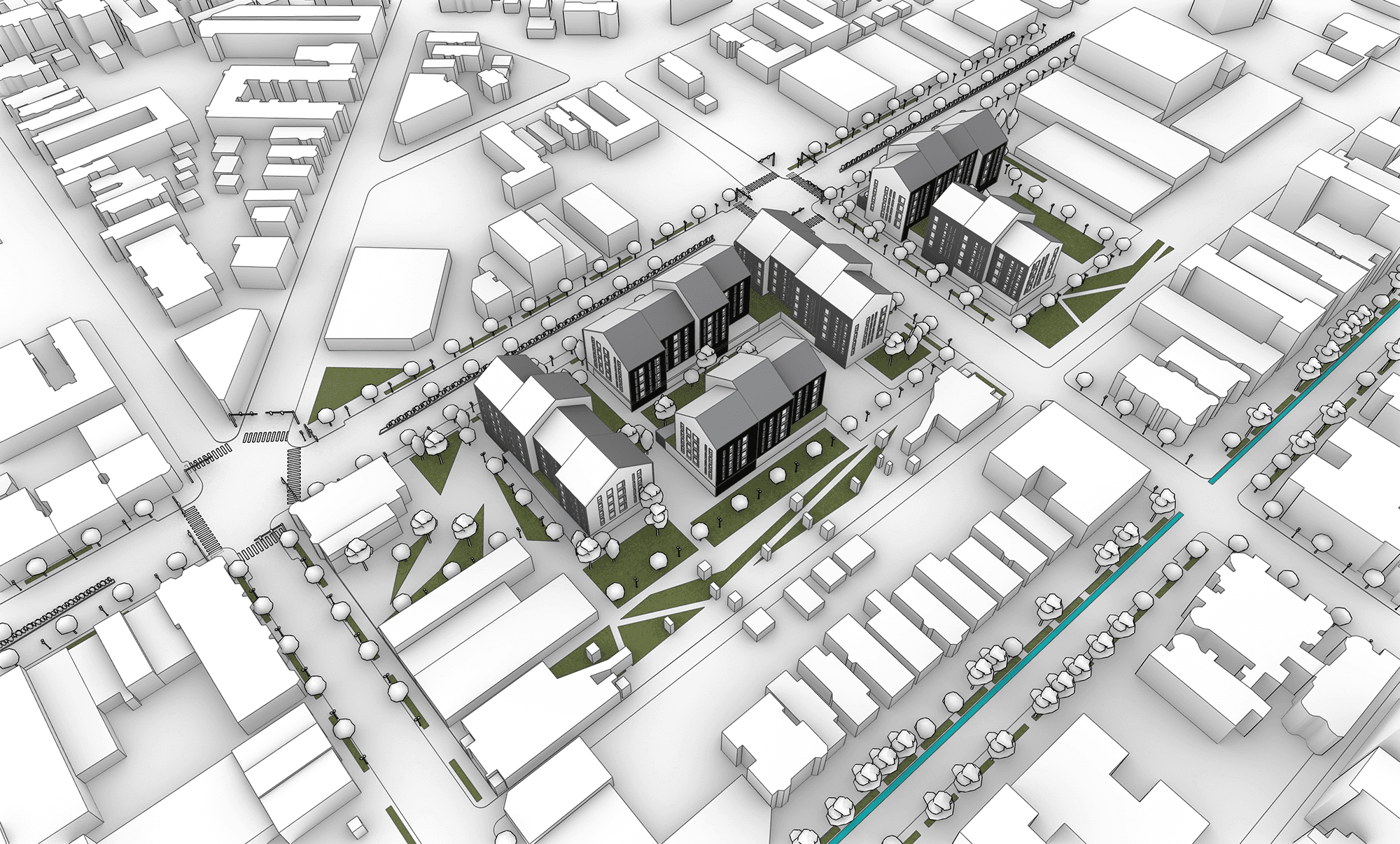
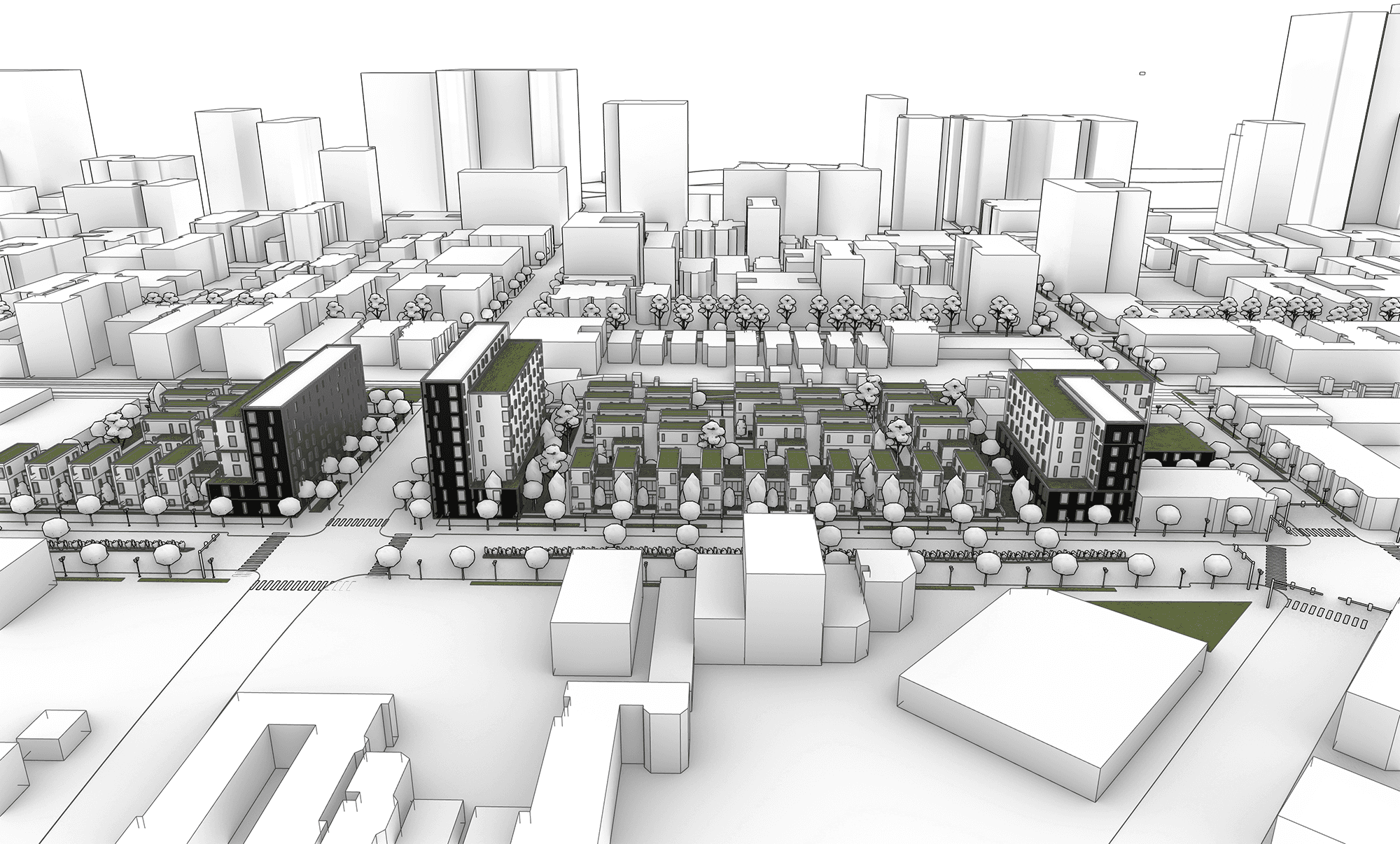
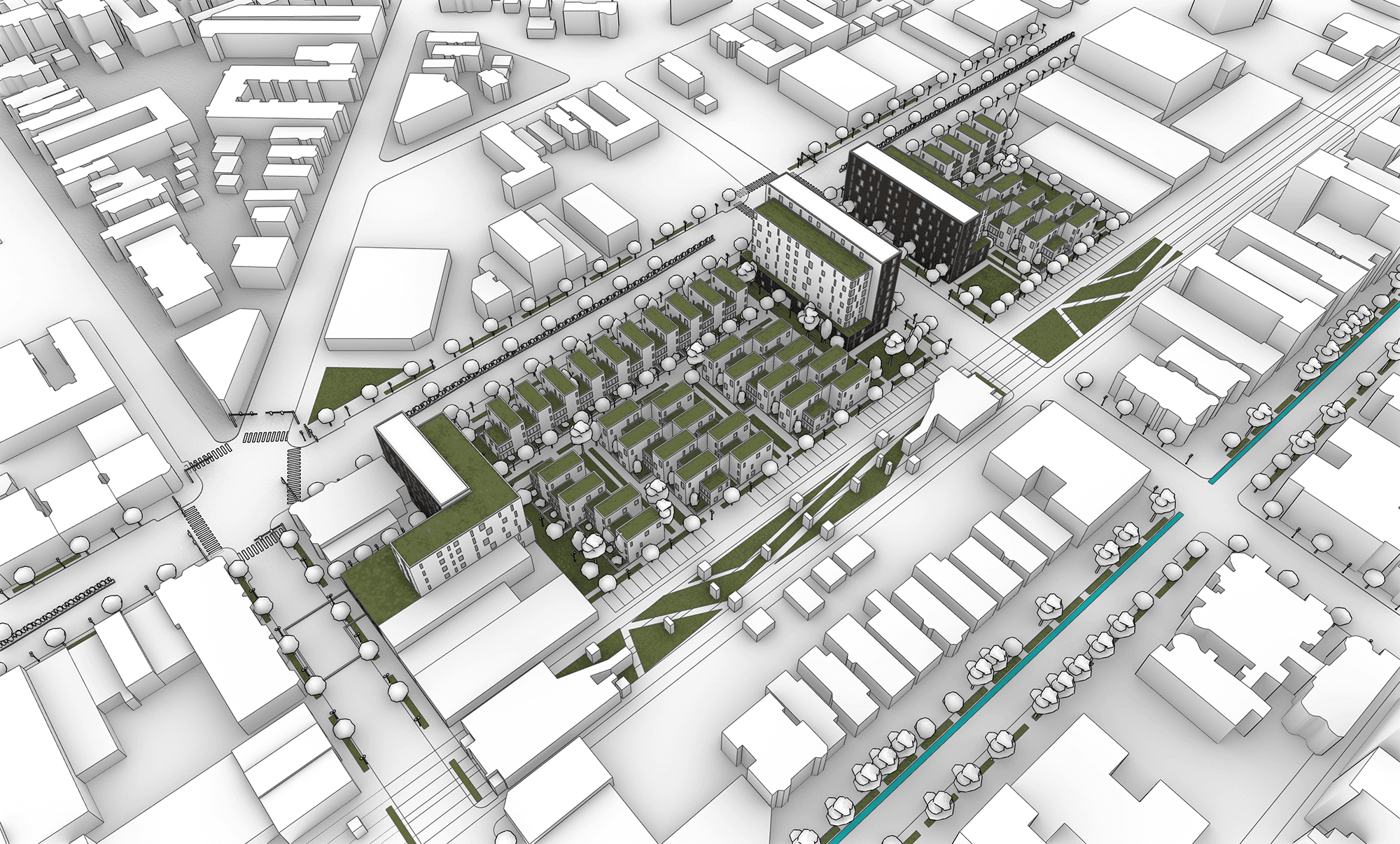
Housing, Density, and Neighborhood Impact
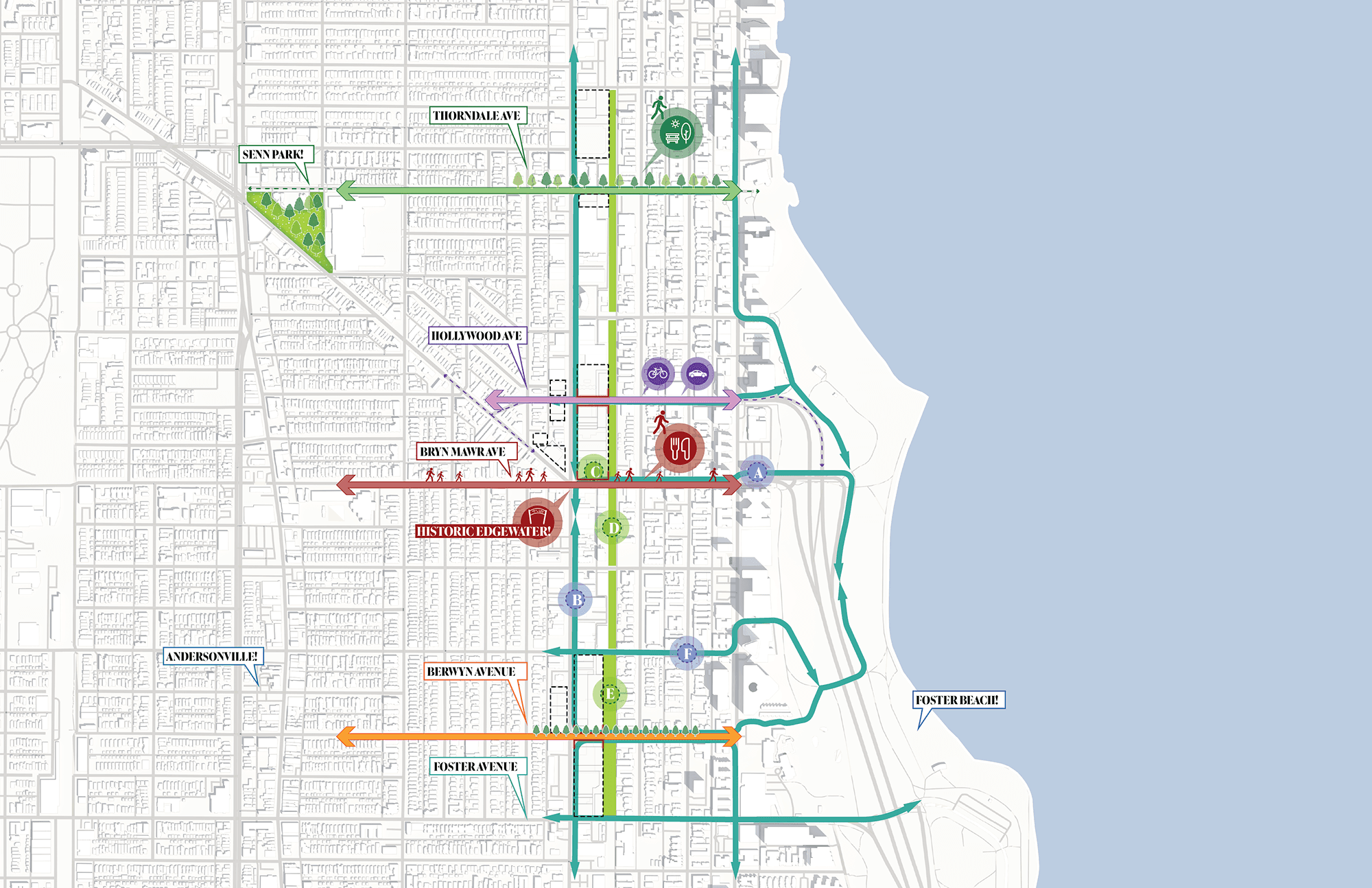
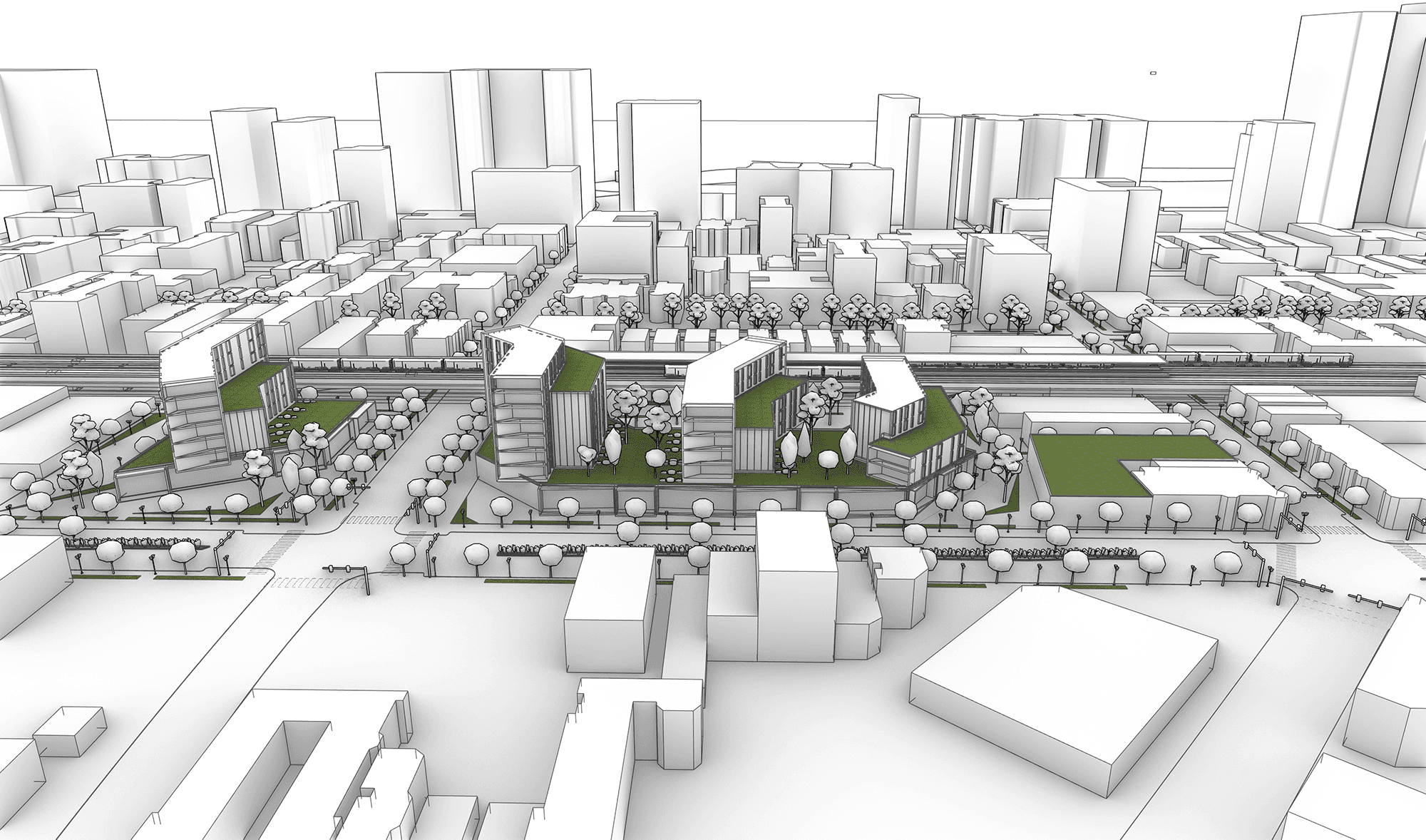
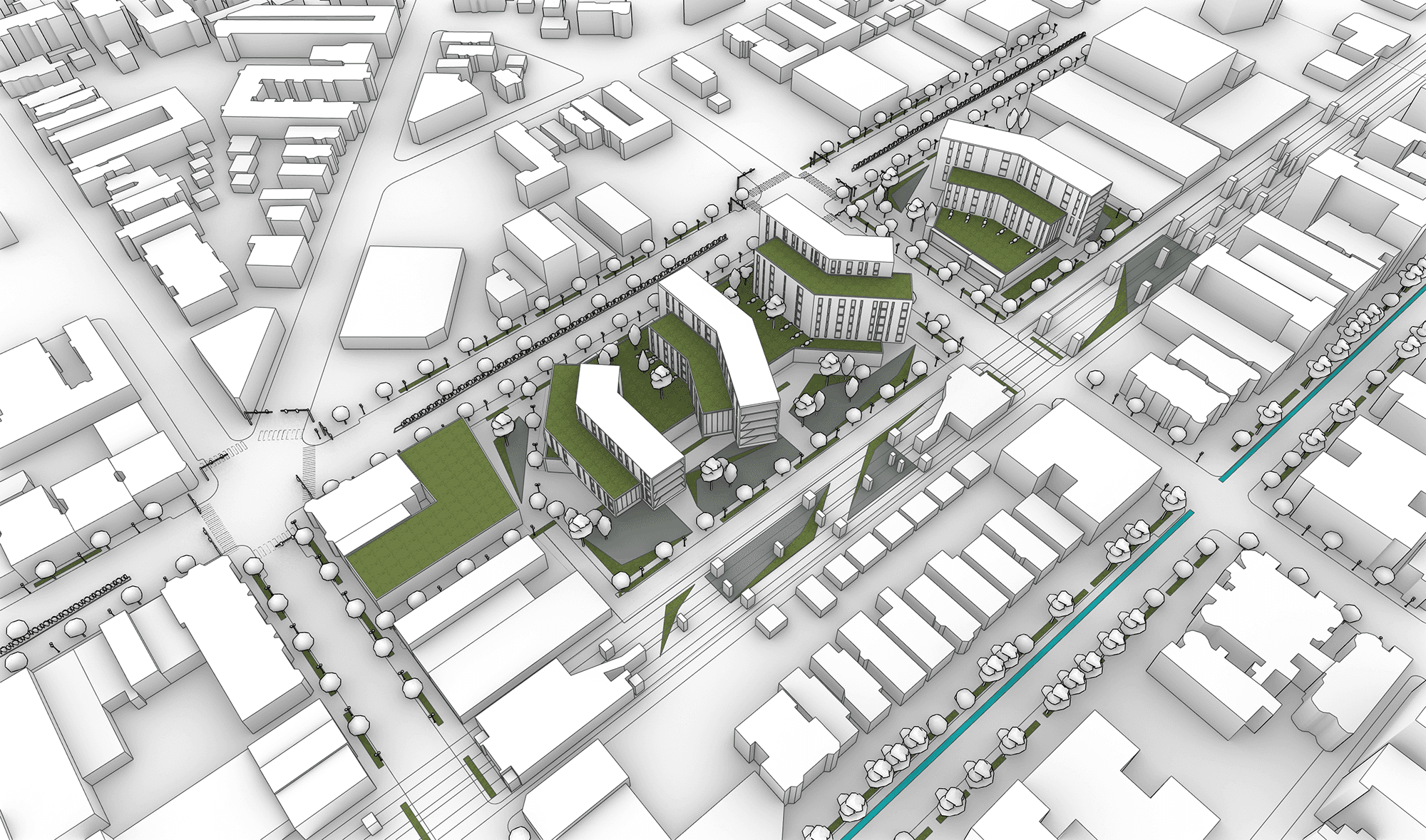
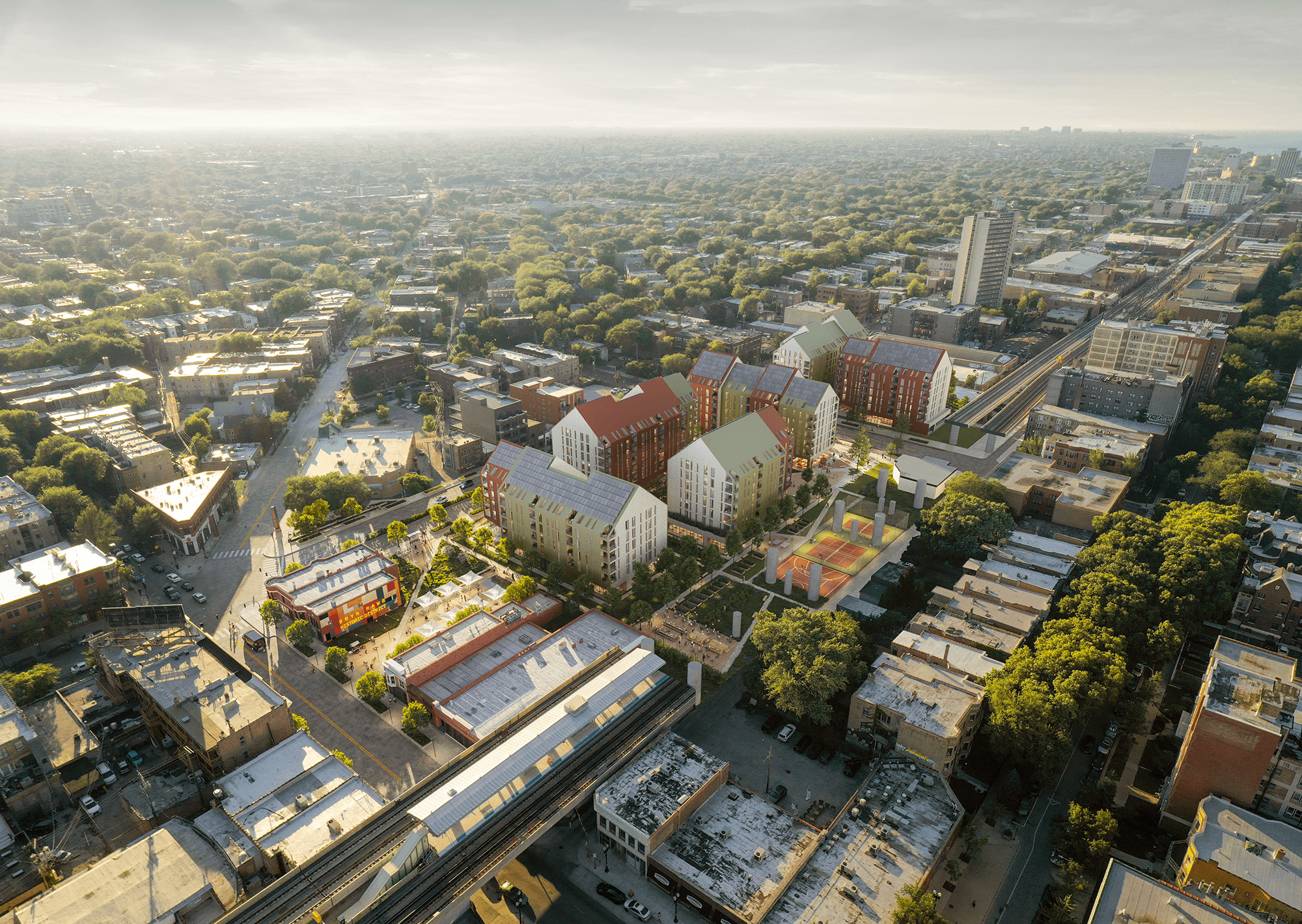
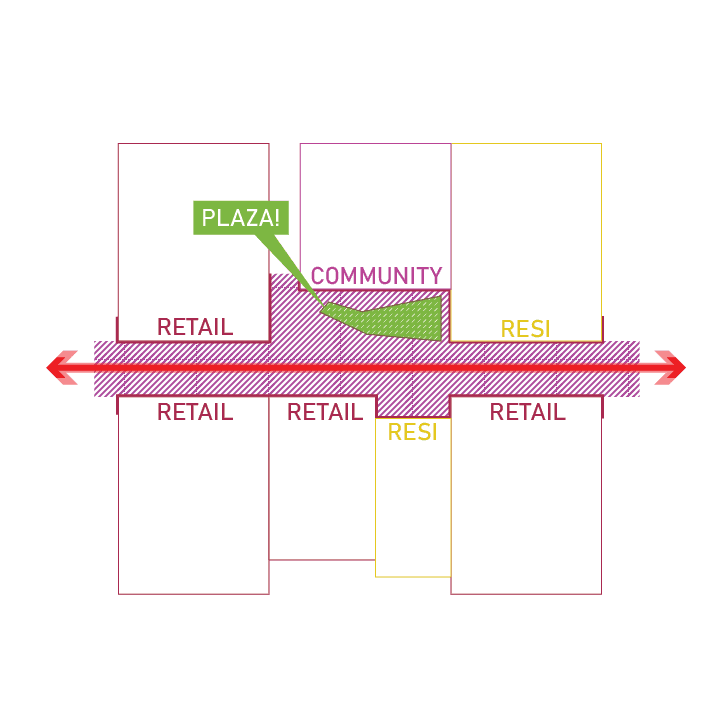
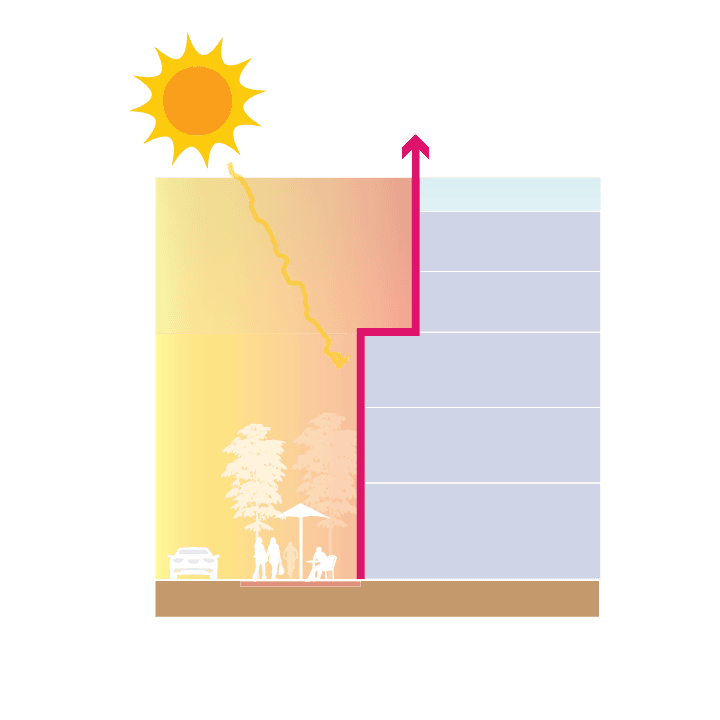
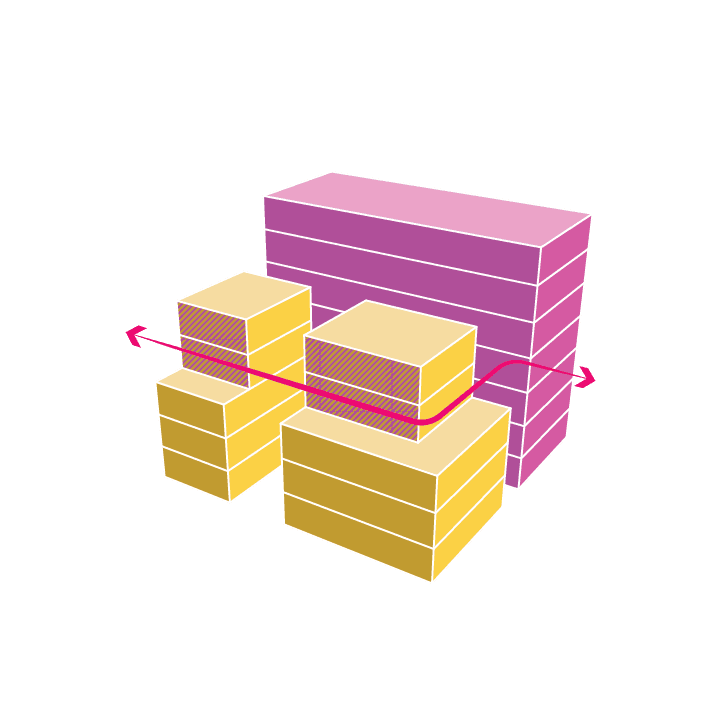
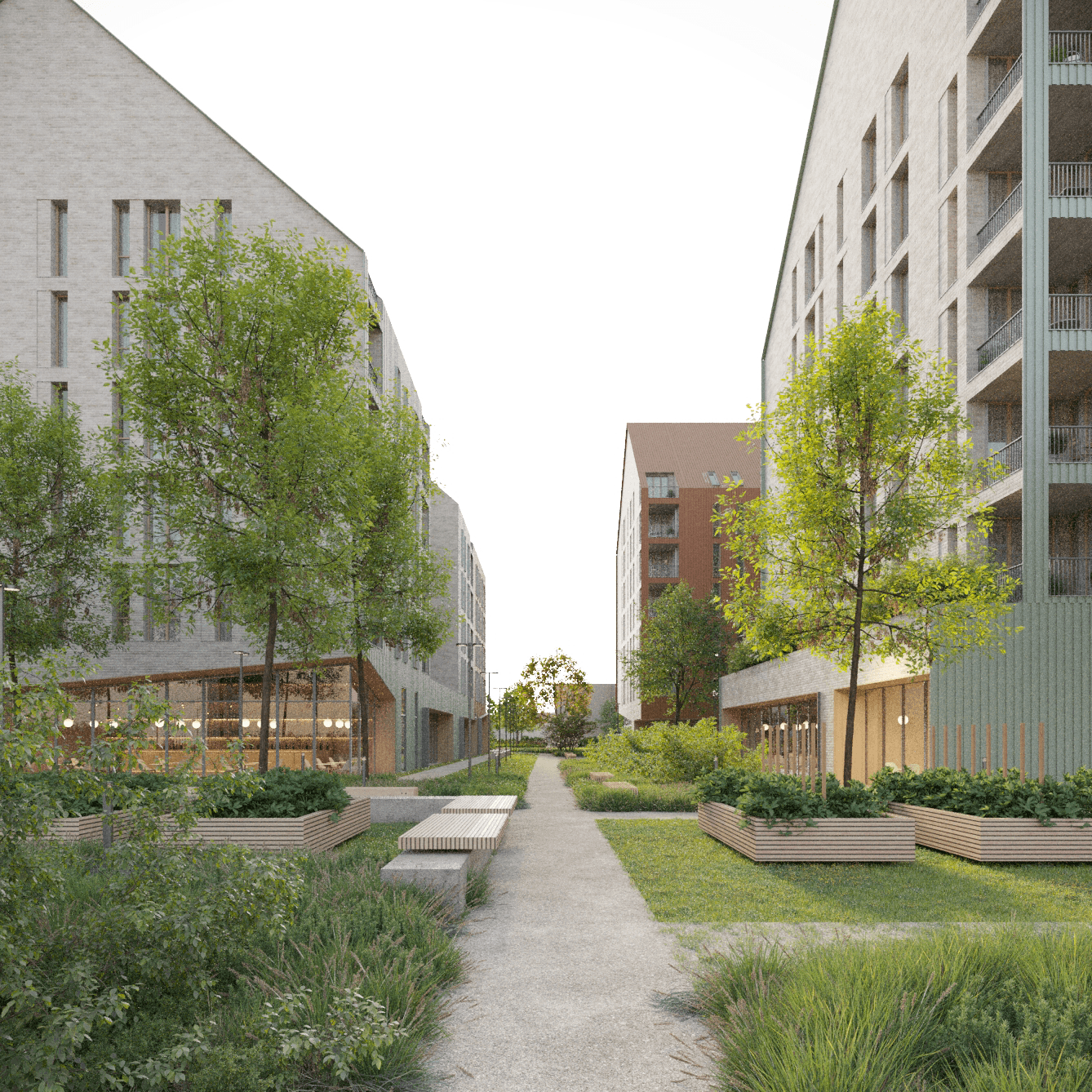
Transit-oriented development introduces density into established neighborhoods, making the quality of housing and public space critical. OAO’s research evaluates how building massing, unit mix, ground-floor activation, and open space contribute to daily life around transit stations.
These findings inform housing strategies that balance access, affordability, and neighborhood continuity rather than maximizing density at the expense of livability.

Applying Research to Practice
Insights from this research directly inform OAO’s urban design frameworks and project work, including corridor studies and transit-adjacent housing developments. The research supports clearer conversations with clients, agencies, and communities by grounding proposals in tested scenarios rather than abstract assumptions.
By connecting policy analysis to design and feasibility, the work helps teams navigate entitlement, reduce risk, and deliver projects that align with long-term transit and housing goals.
Final Thought
Transit-oriented development is most effective when treated as an integrated design challenge rather than a regulatory checkbox. Through applied research, OAO uses TOD as a tool to support housing delivery, strengthen neighborhoods, and ensure that transit investment translates into meaningful urban outcomes.
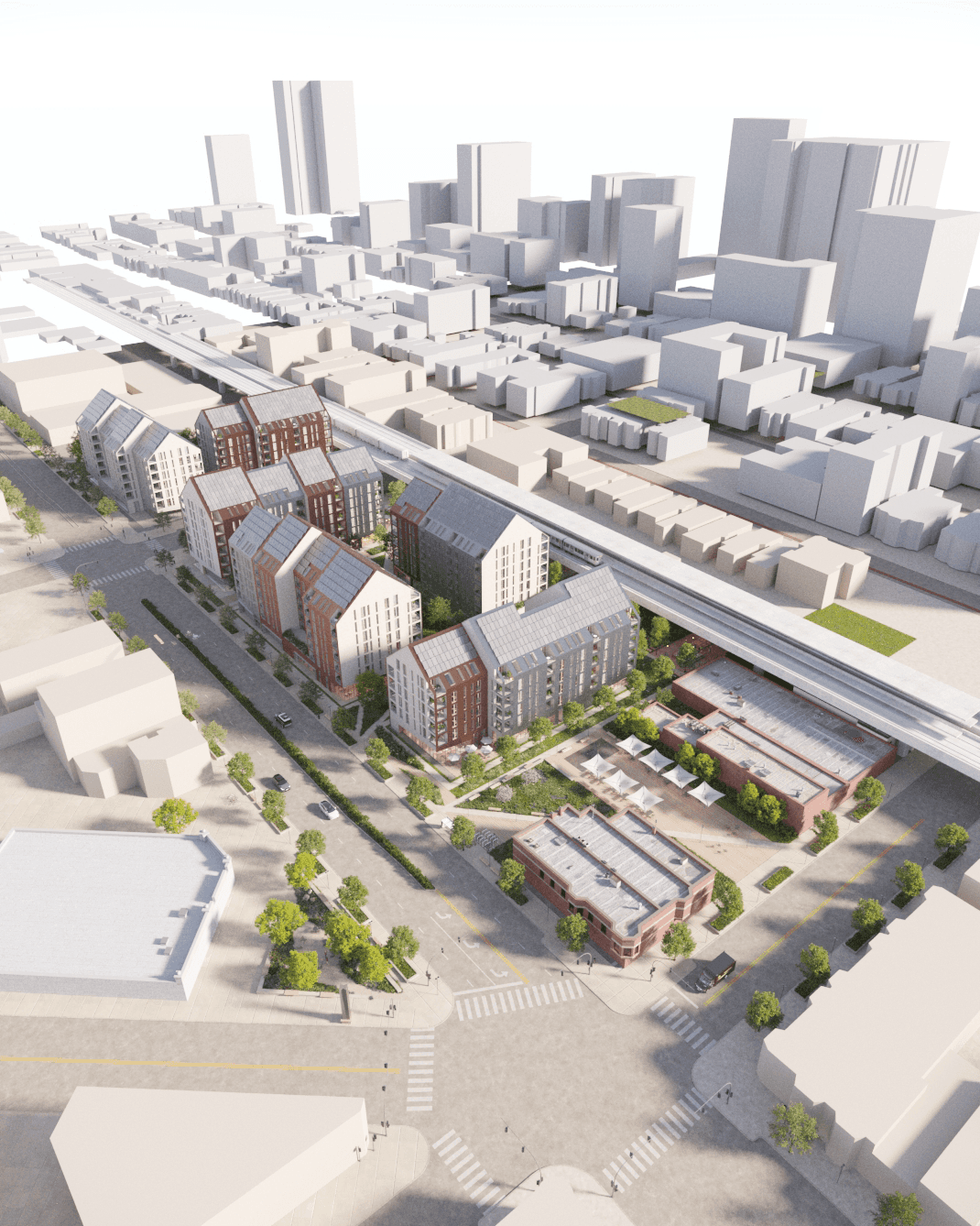
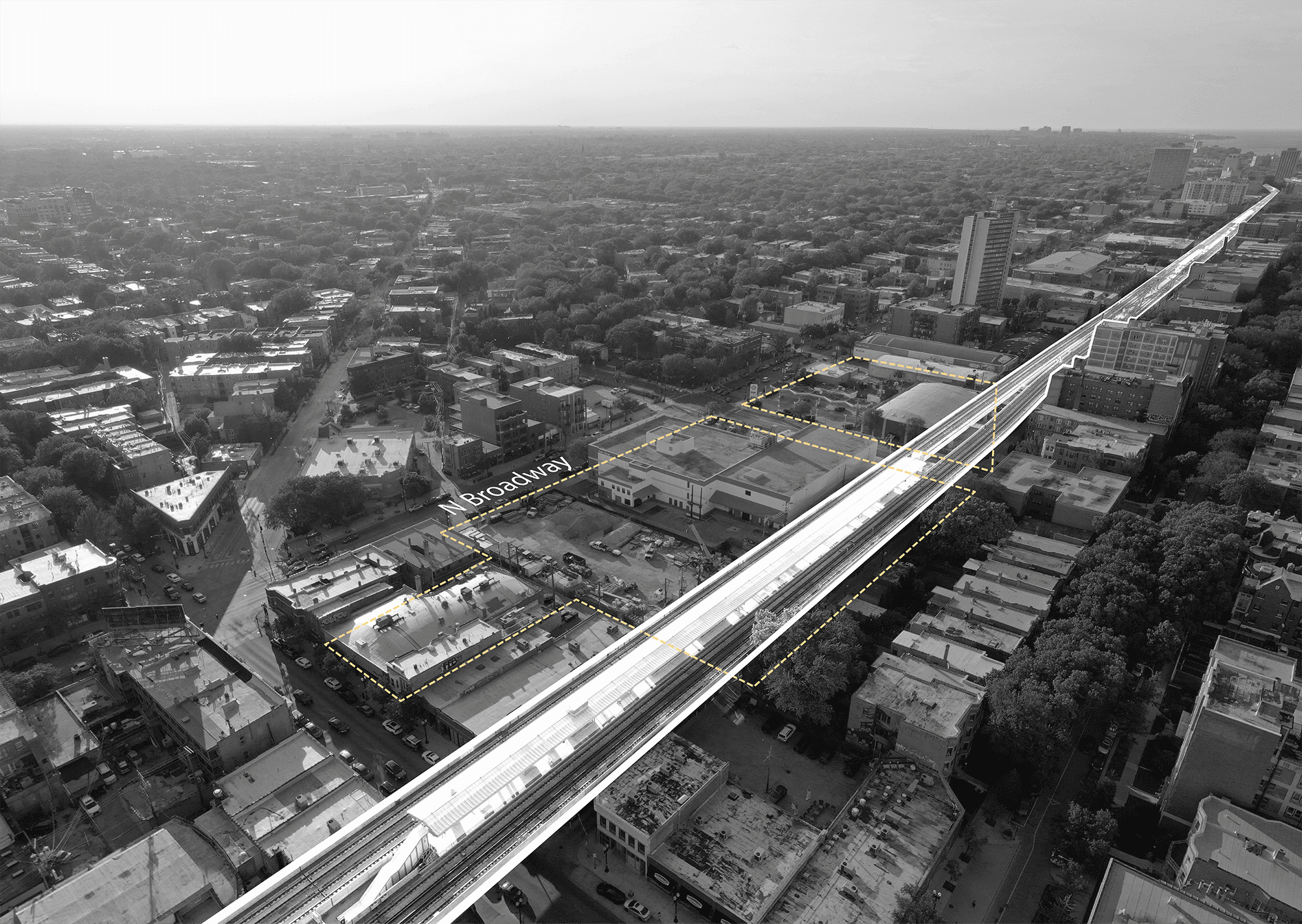
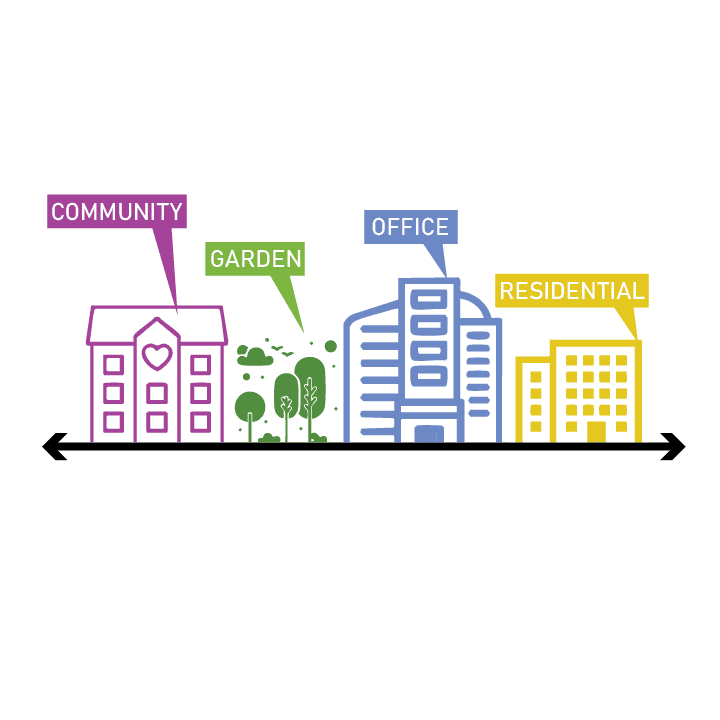
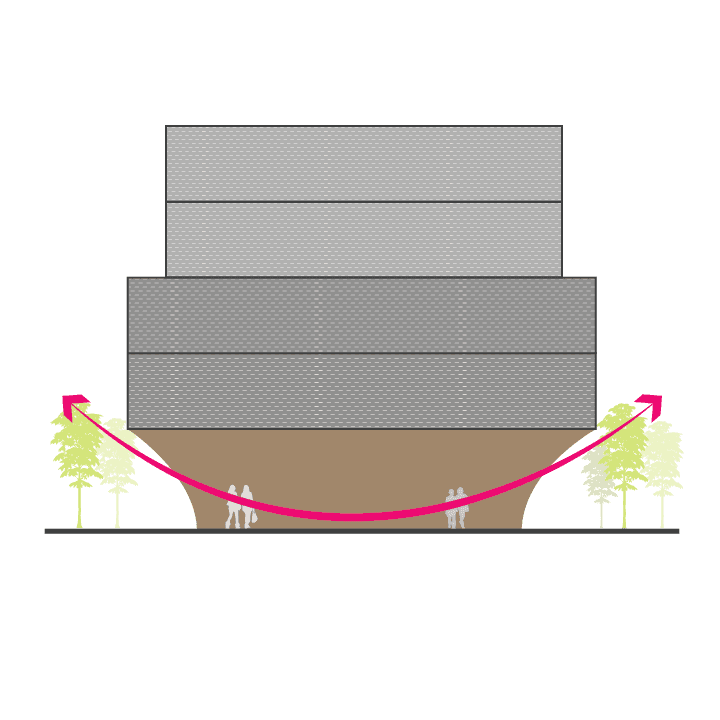


These findings are applied in transit-adjacent residential projects in Chicago, shaping density, access, and public space.
Let’s keep in touch.
Discover more about high-performance web design. Follow us on Twitter and Instagram.