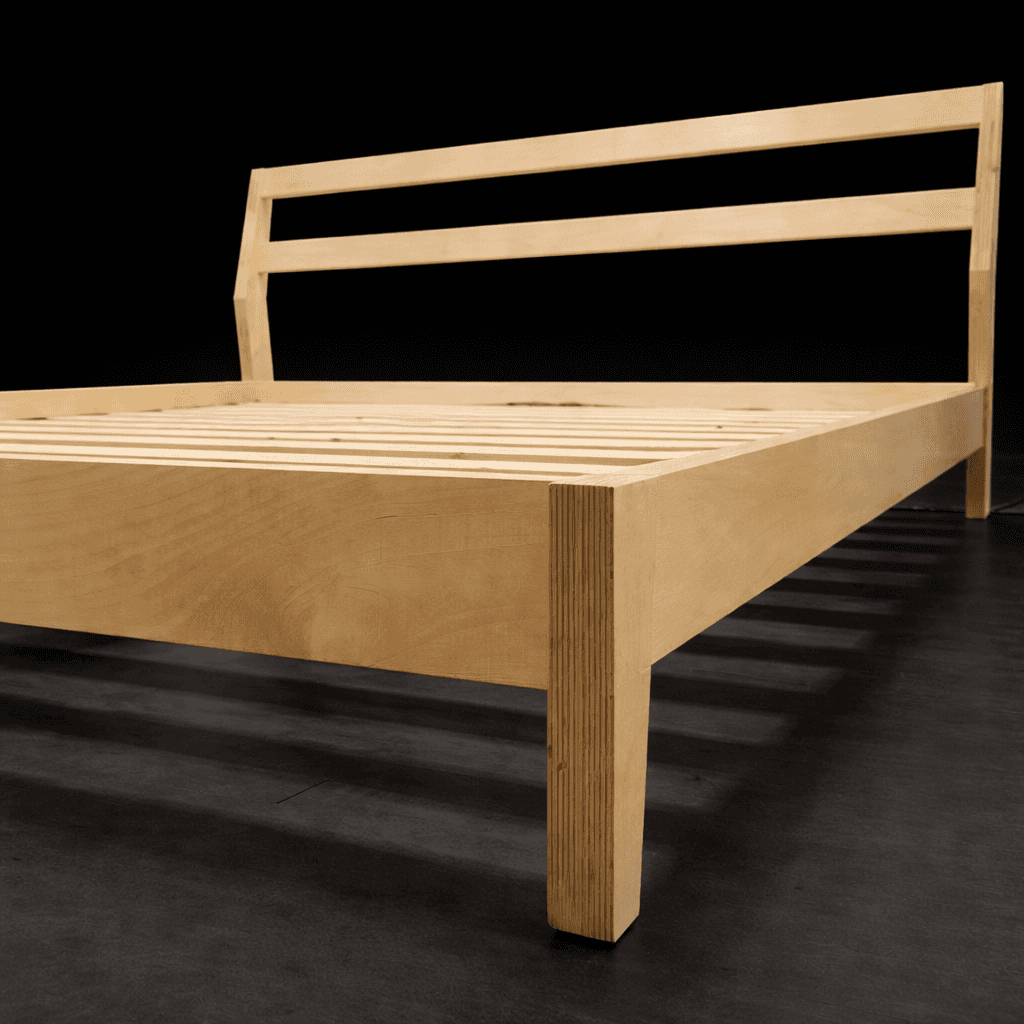

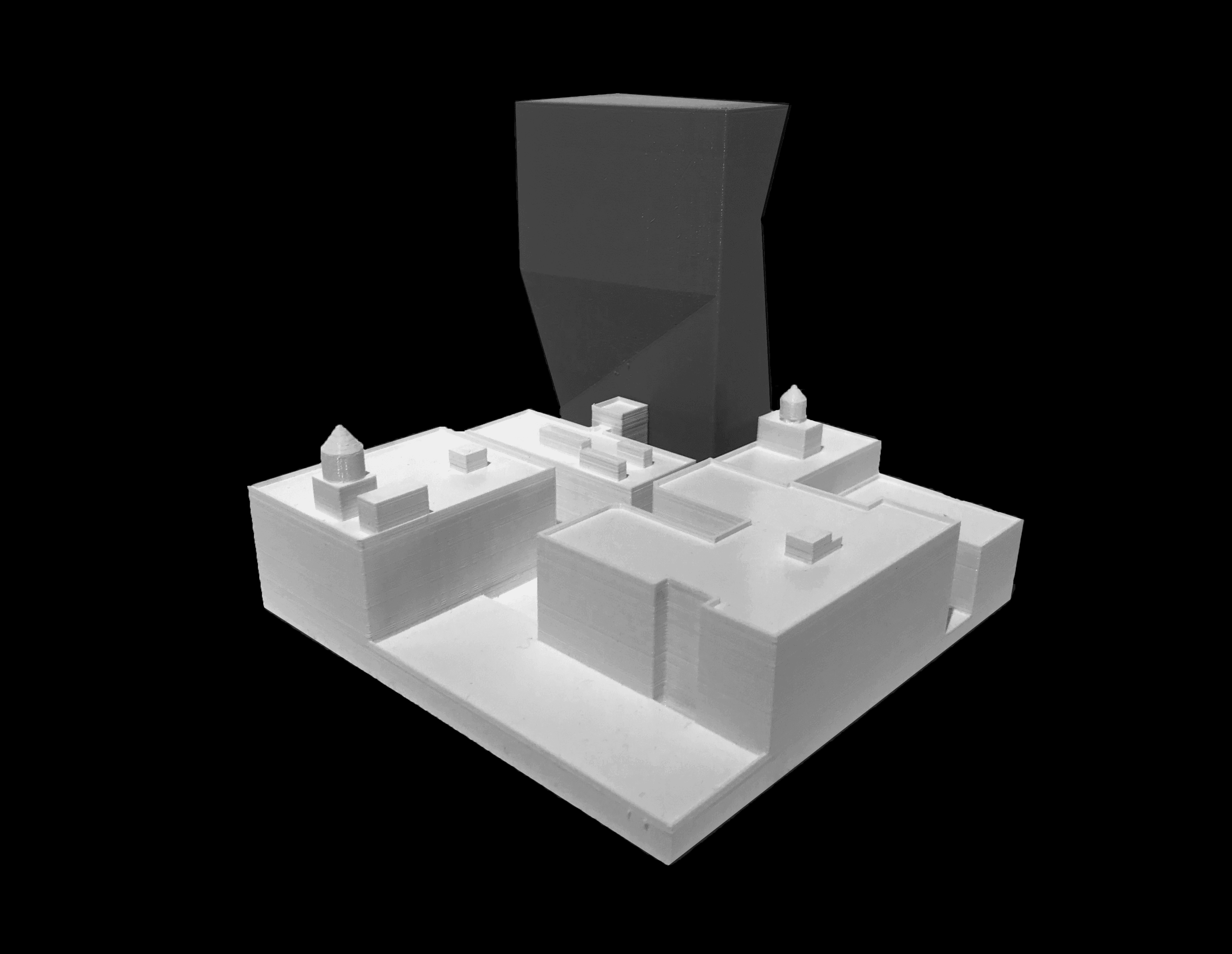
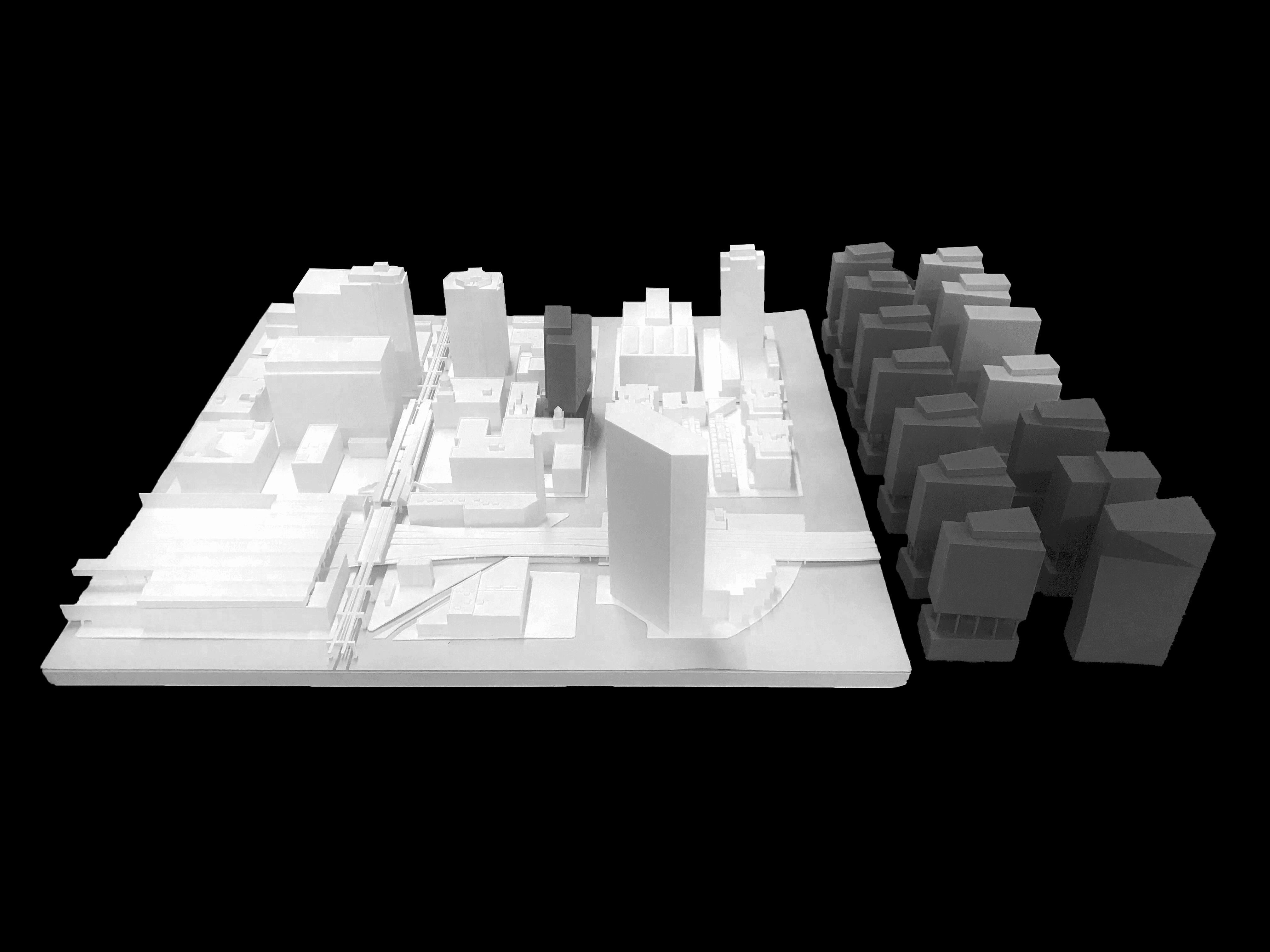
Fabrication strengthens architecture when it improves how buildings are conceived and assembled.
Design Through Making
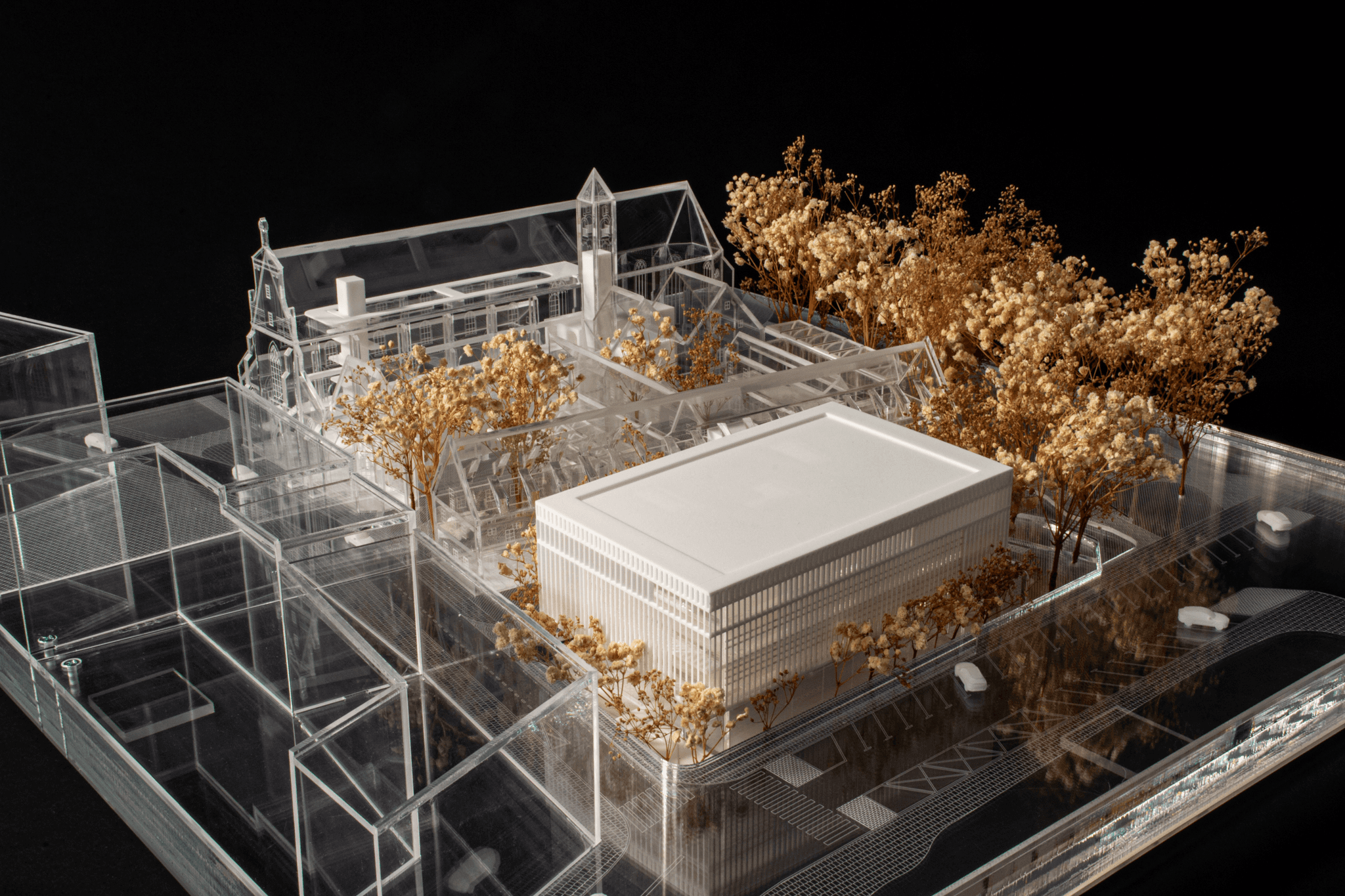
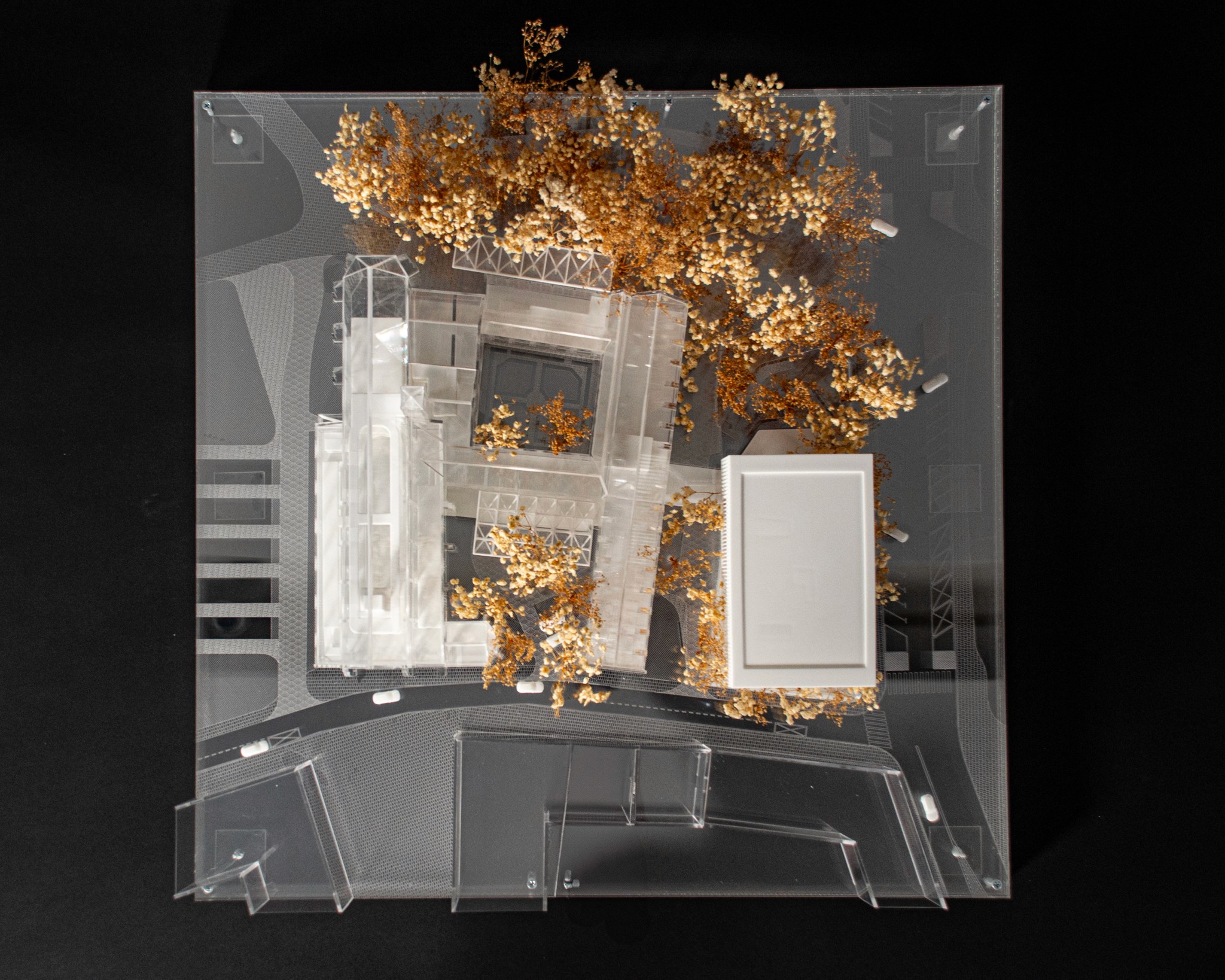
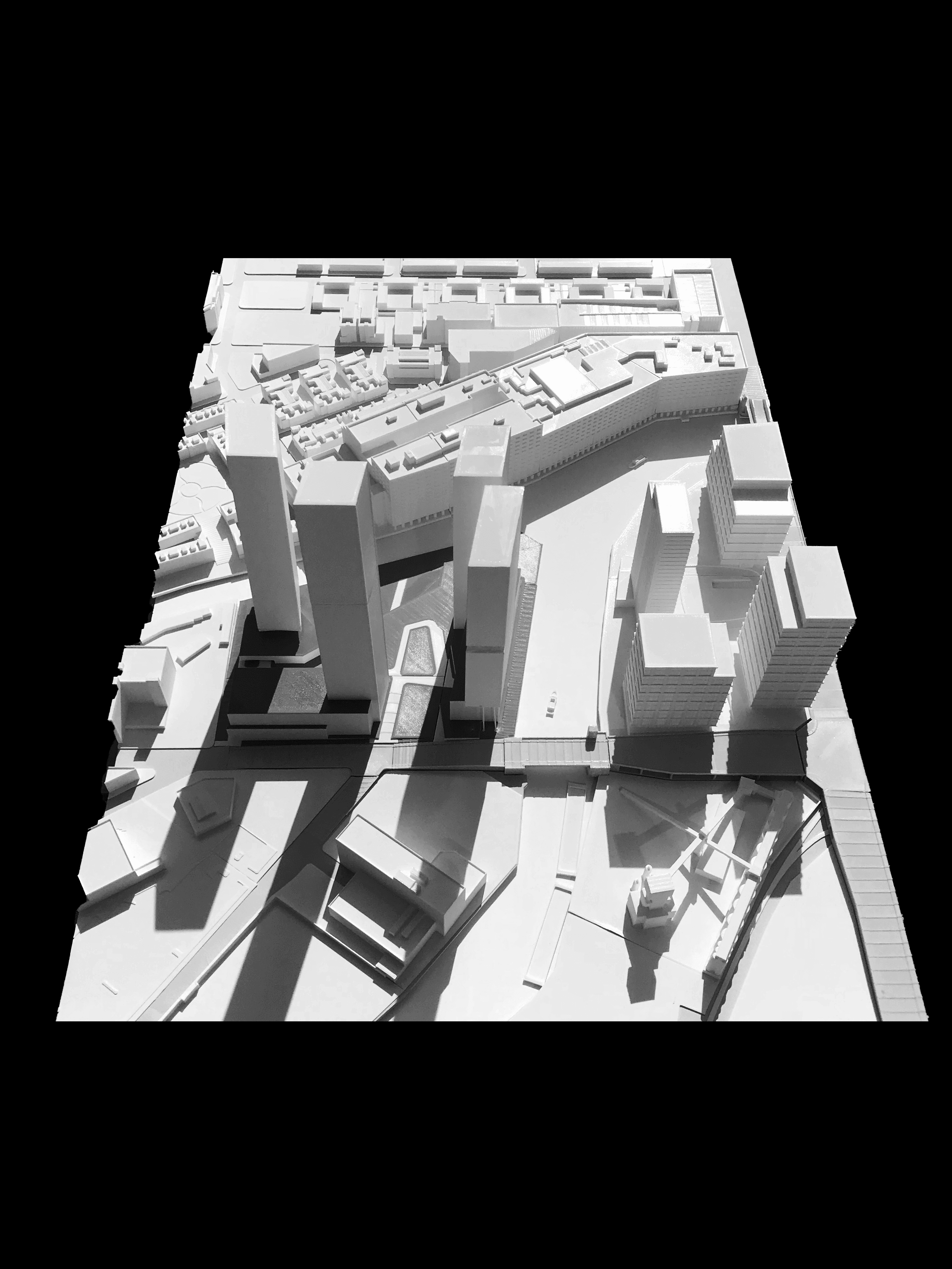
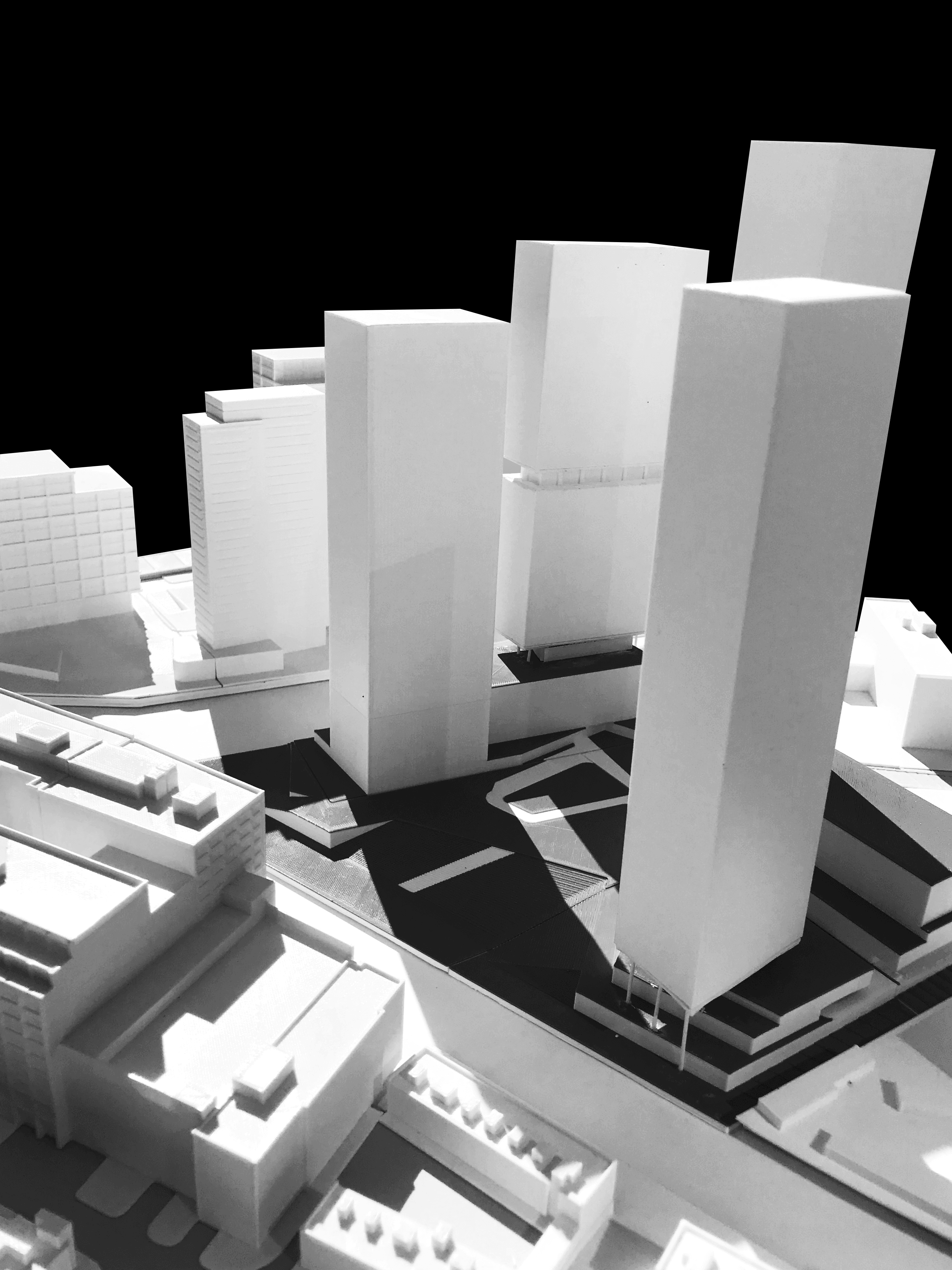
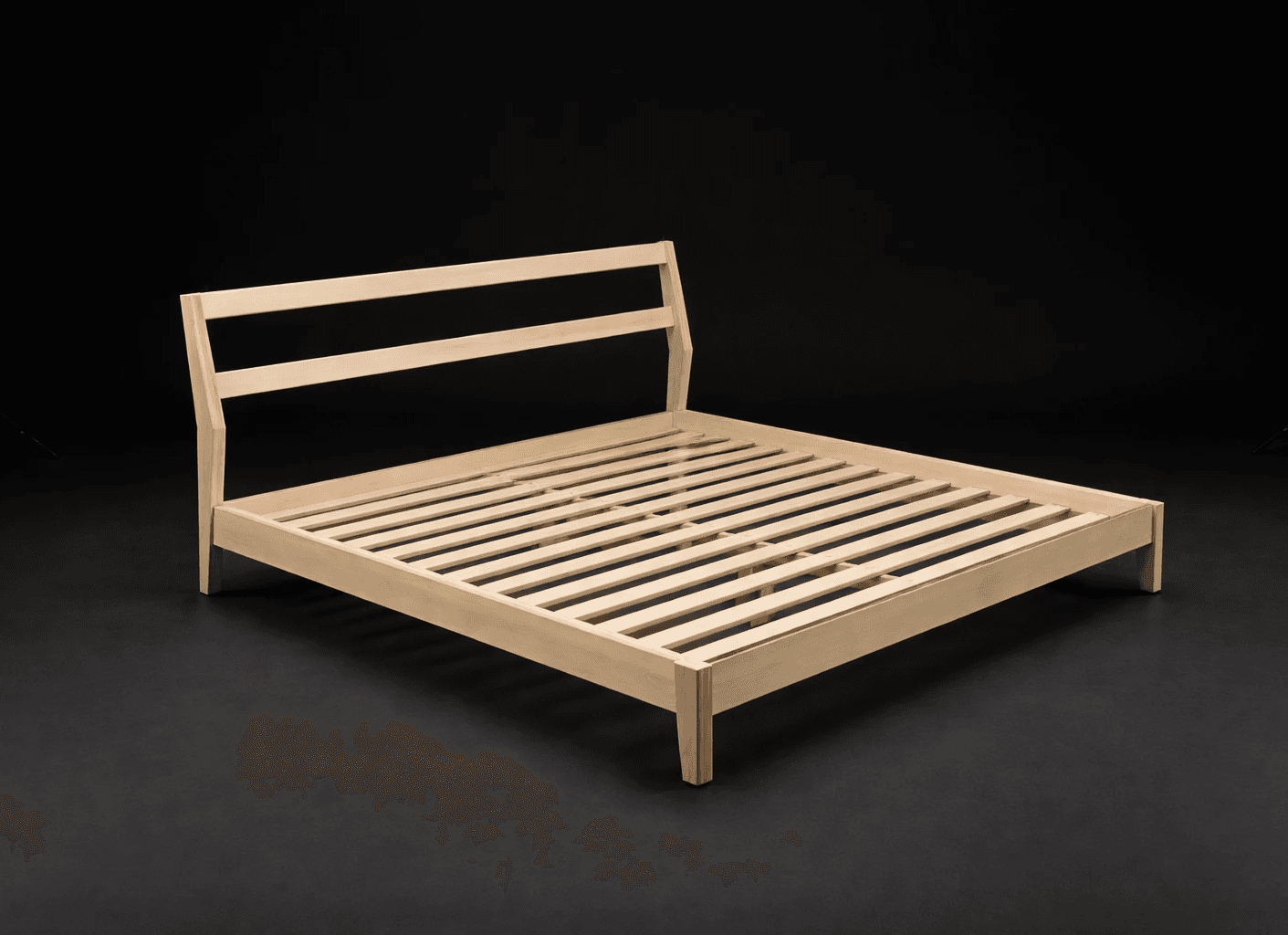
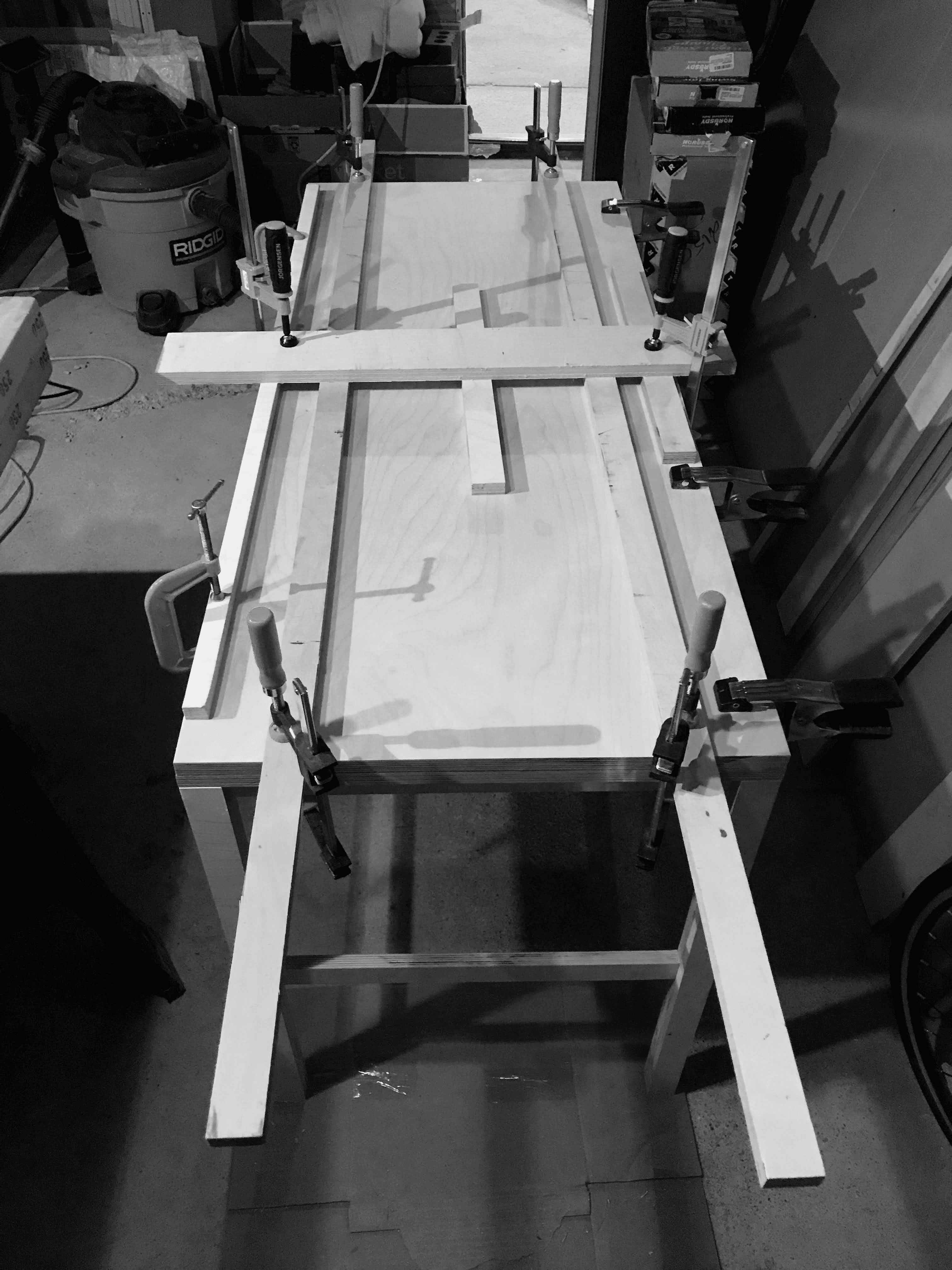
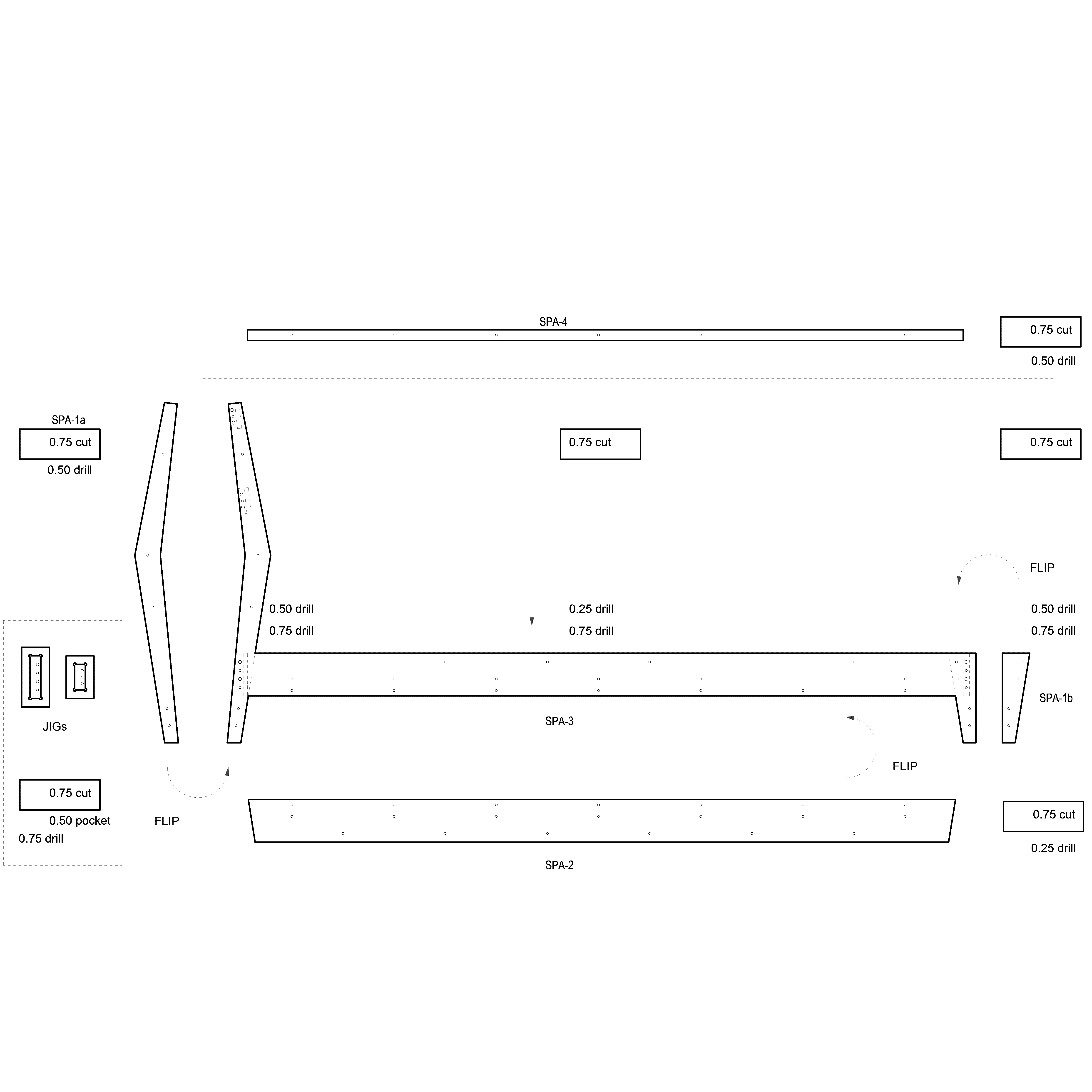
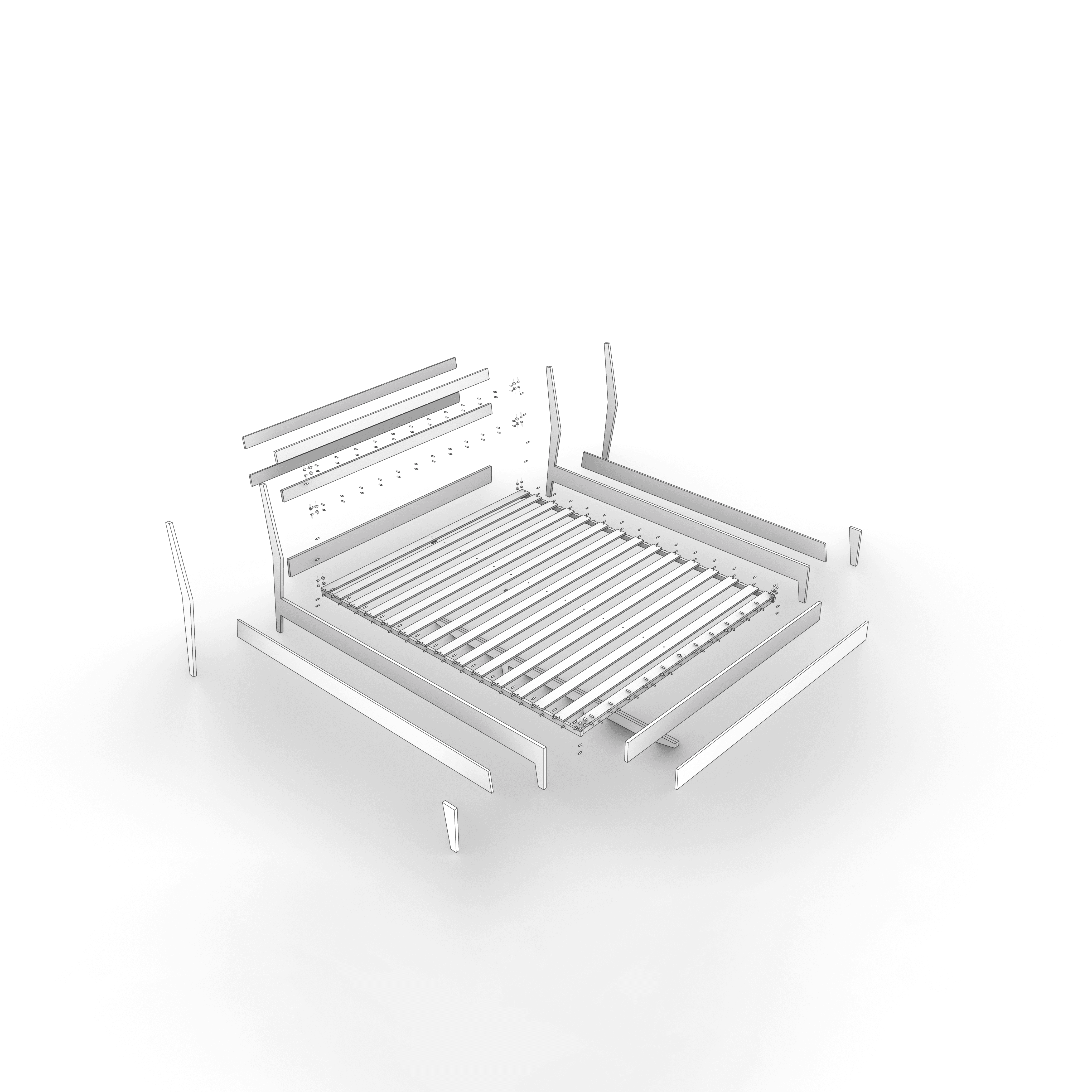
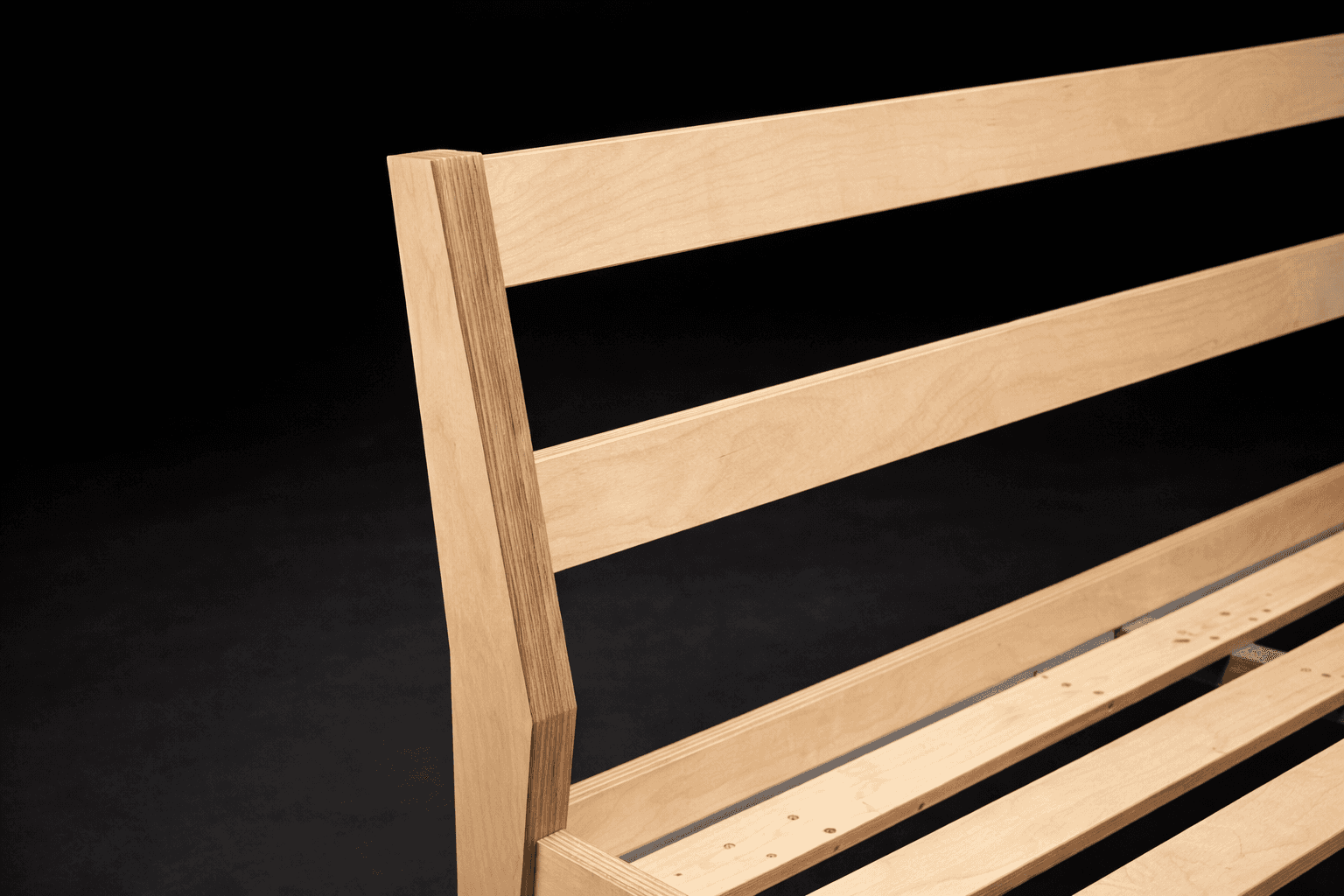
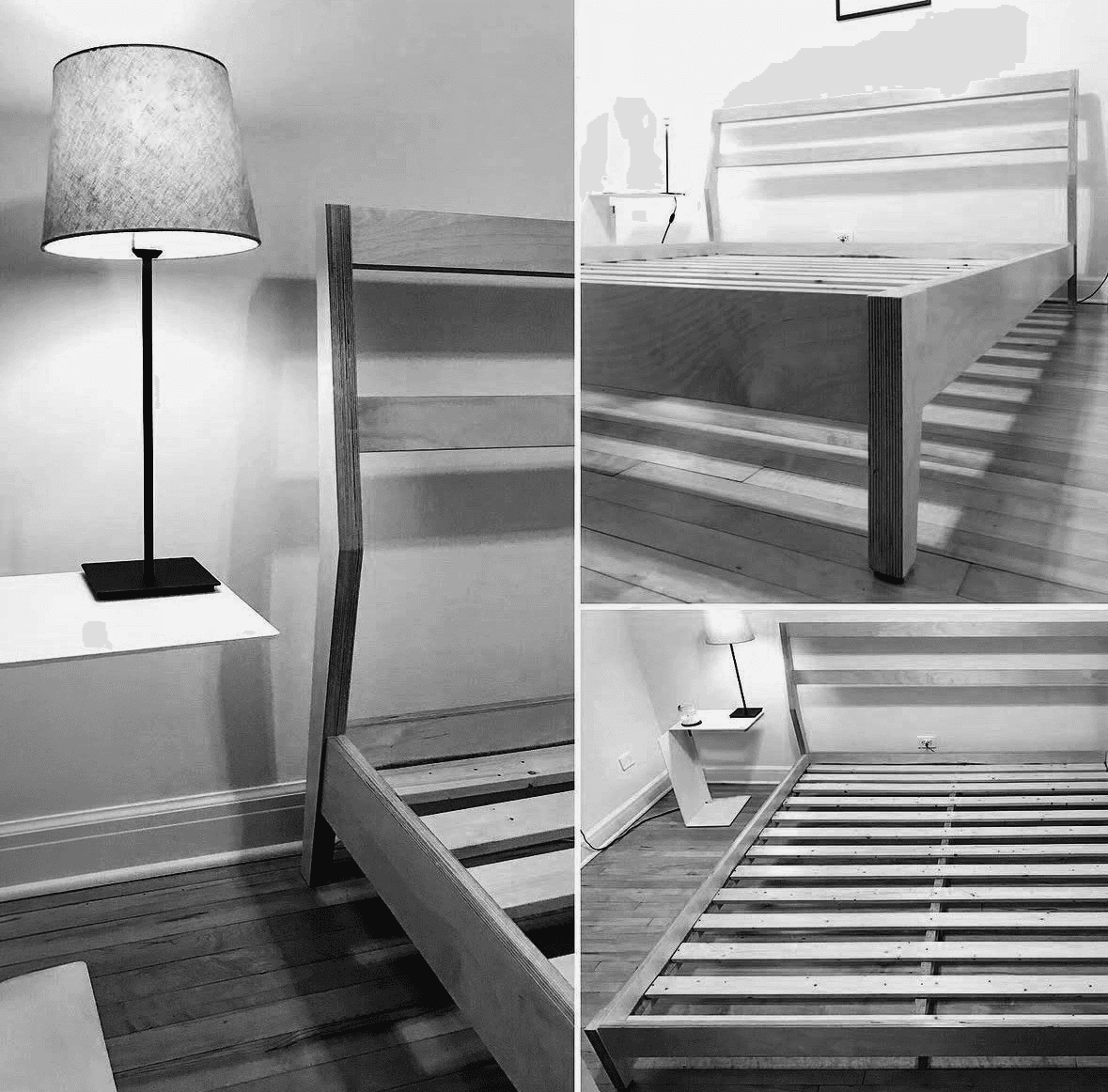
Fabrication allows design questions to be explored at full or partial scale, revealing tolerances, junctions, and material behavior that drawings alone cannot fully anticipate. Physical models and mockups support clearer decision-making by translating abstract ideas into tangible systems.
This hands-on process helps align design ambition with construction logic early, when adjustments are most effective and least costly.

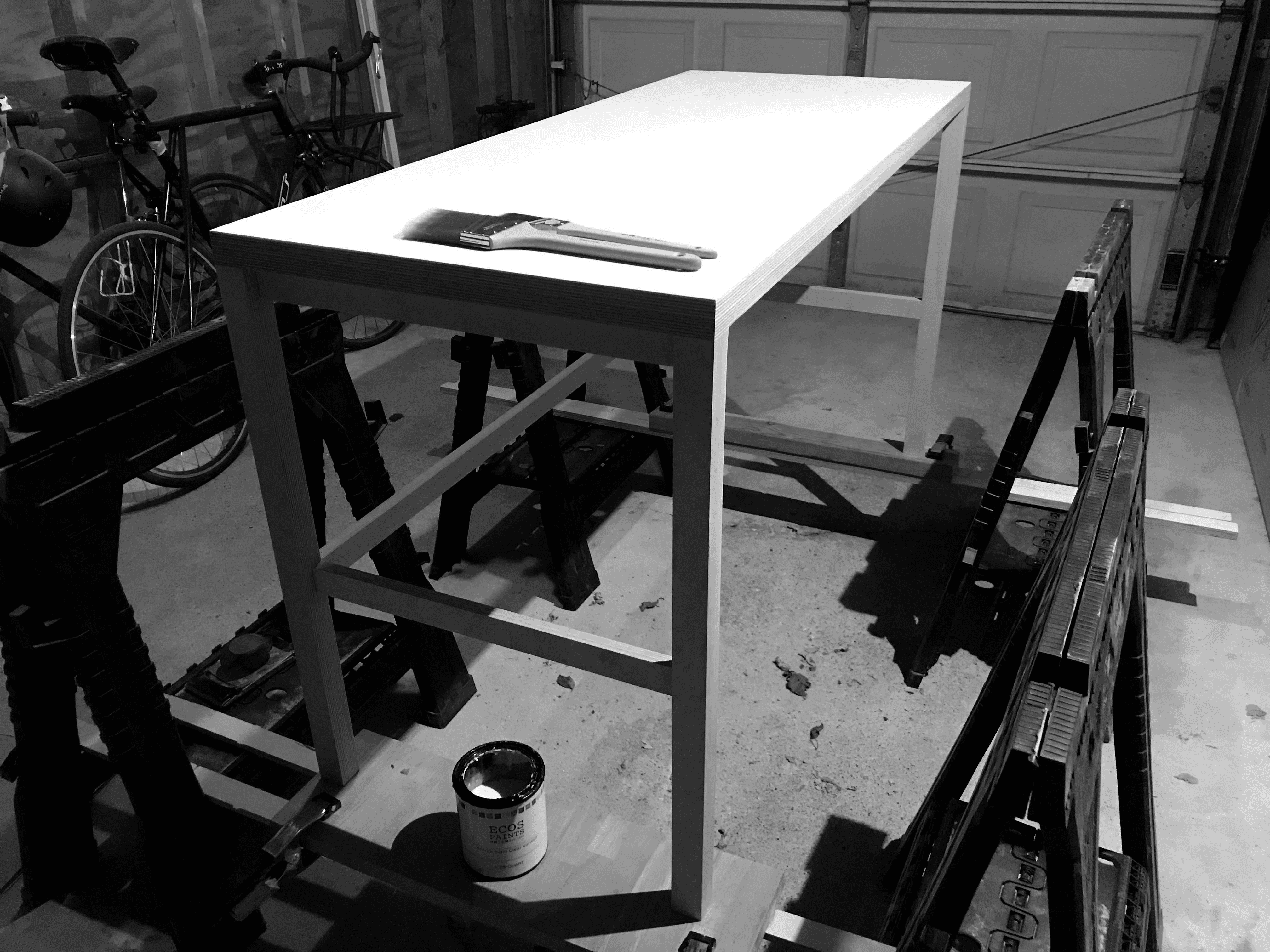
Detail Resolution and Constructability
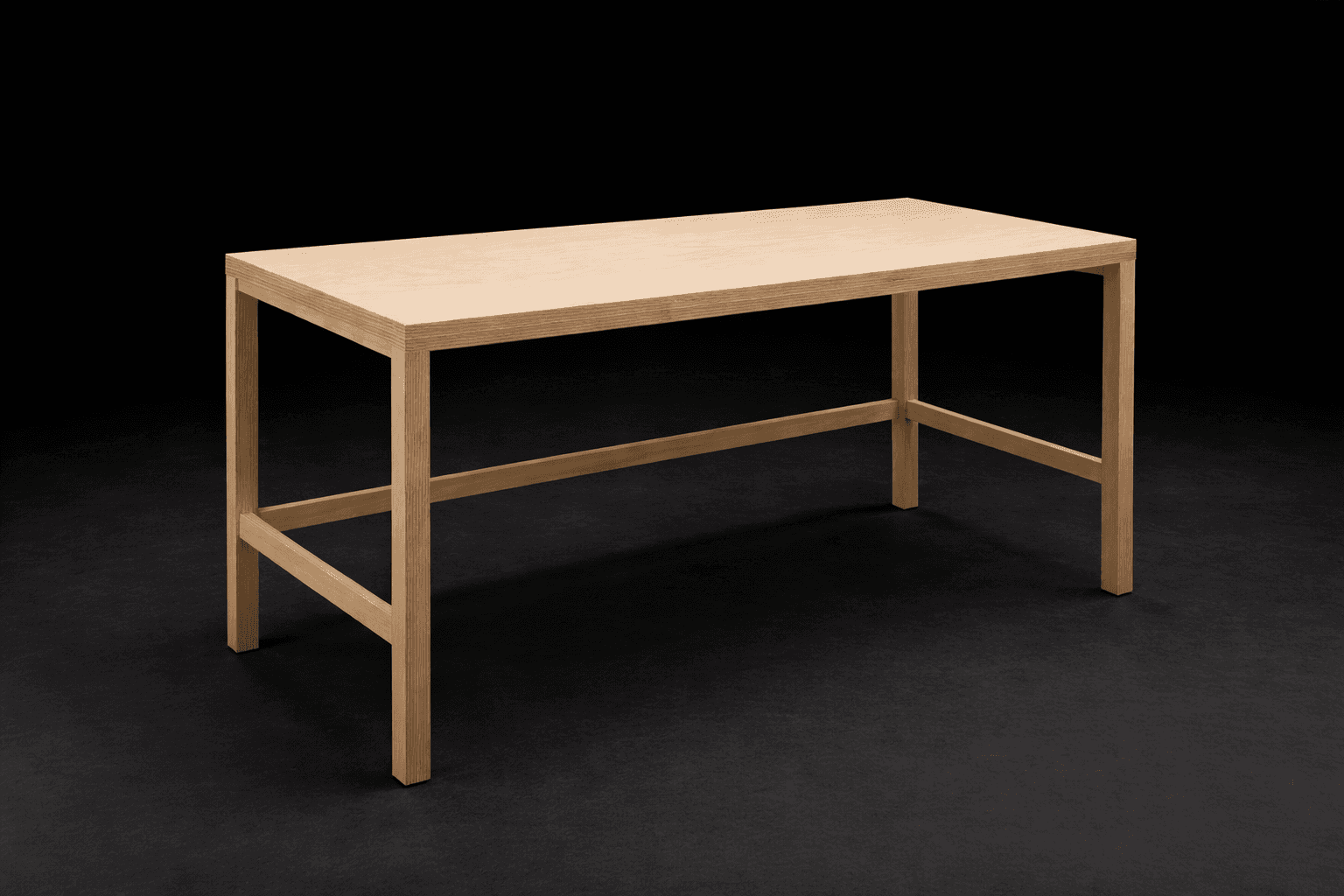
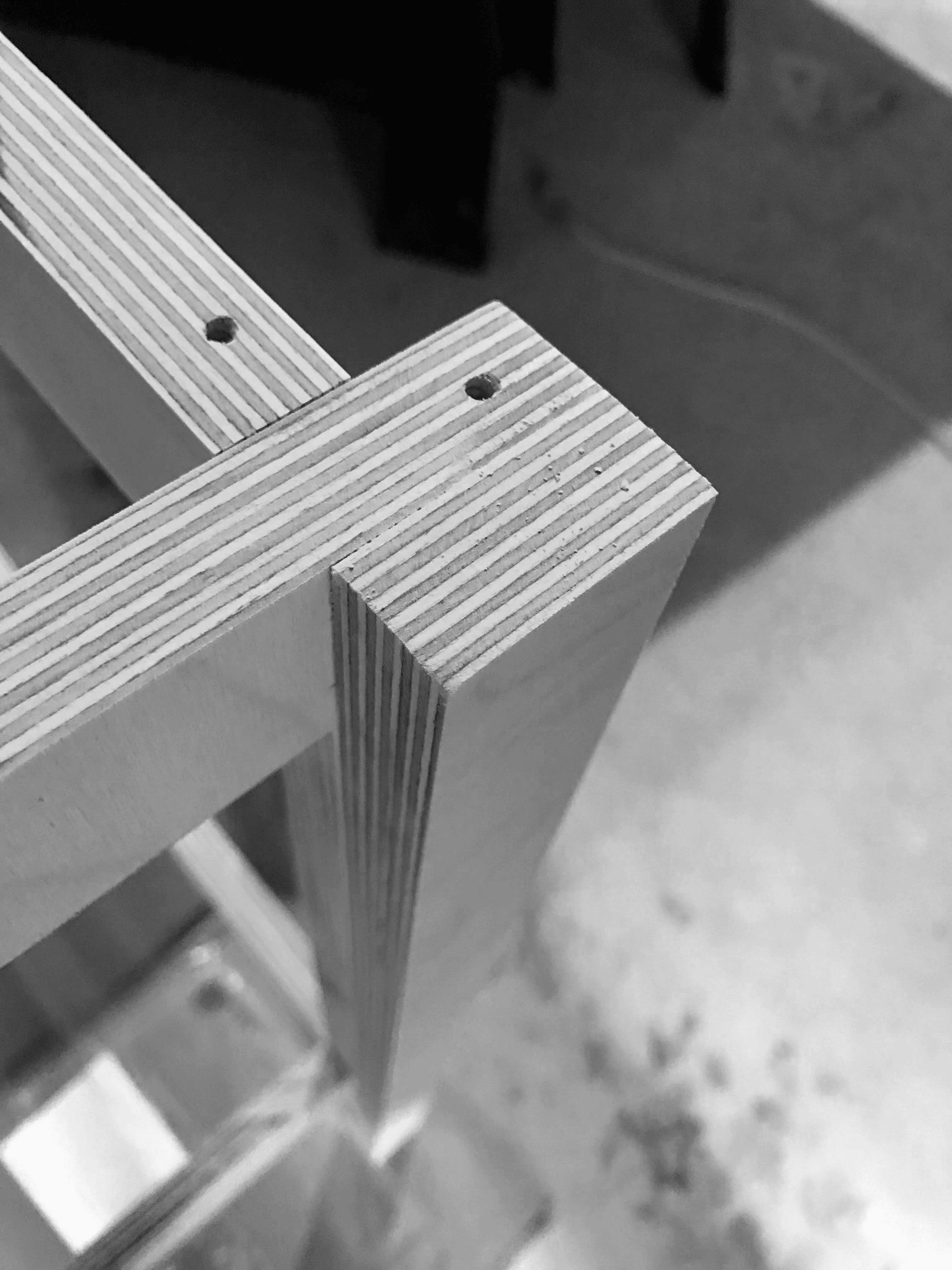
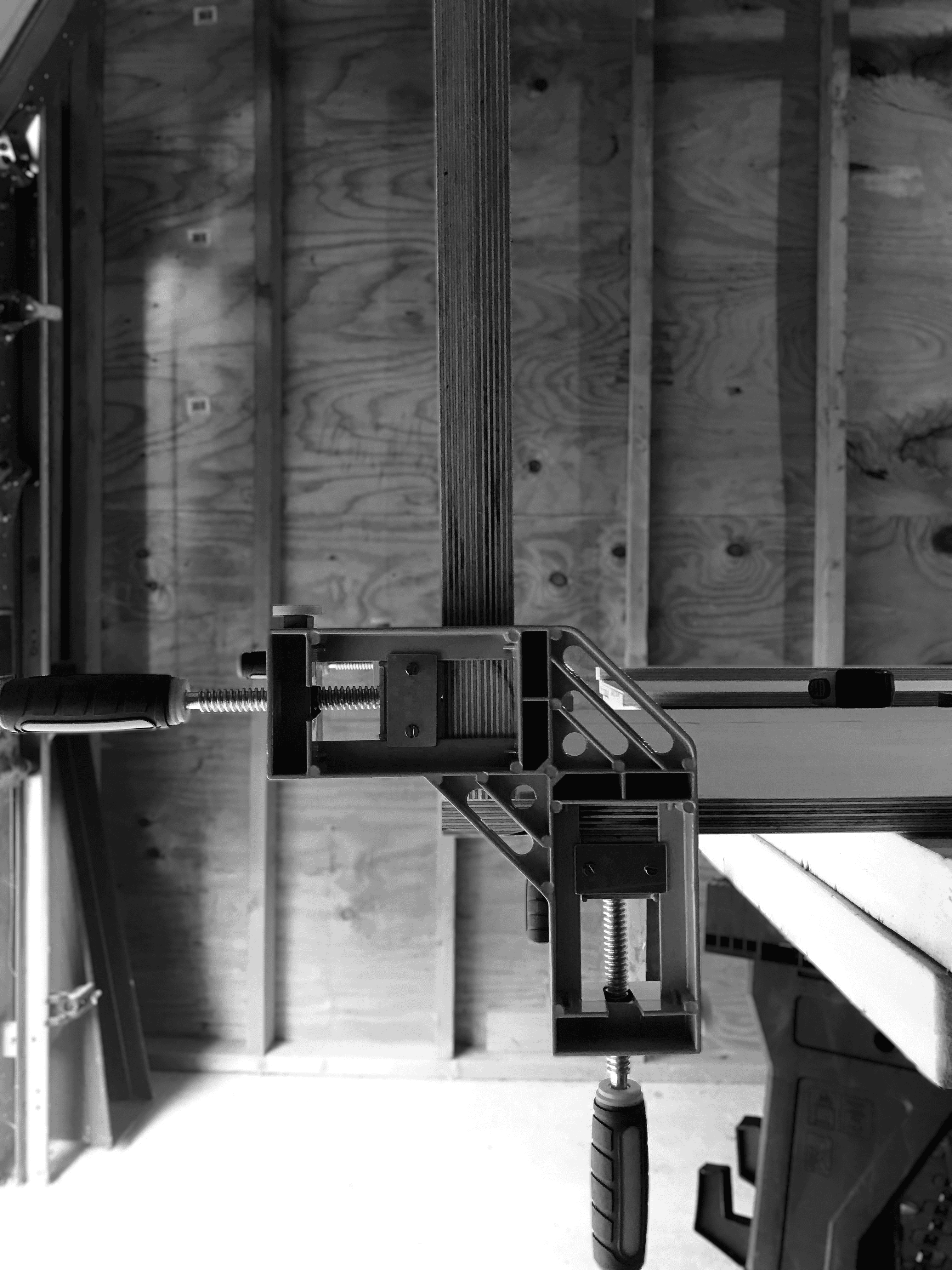
Through prototyping and mockups, OAO tests critical details related to structure, enclosure, and assembly. This work informs how components come together on site, improving constructability and reducing uncertainty during documentation and construction.
Fabrication studies are particularly valuable for complex envelopes, repetitive housing details, and projects where precision and durability are essential.
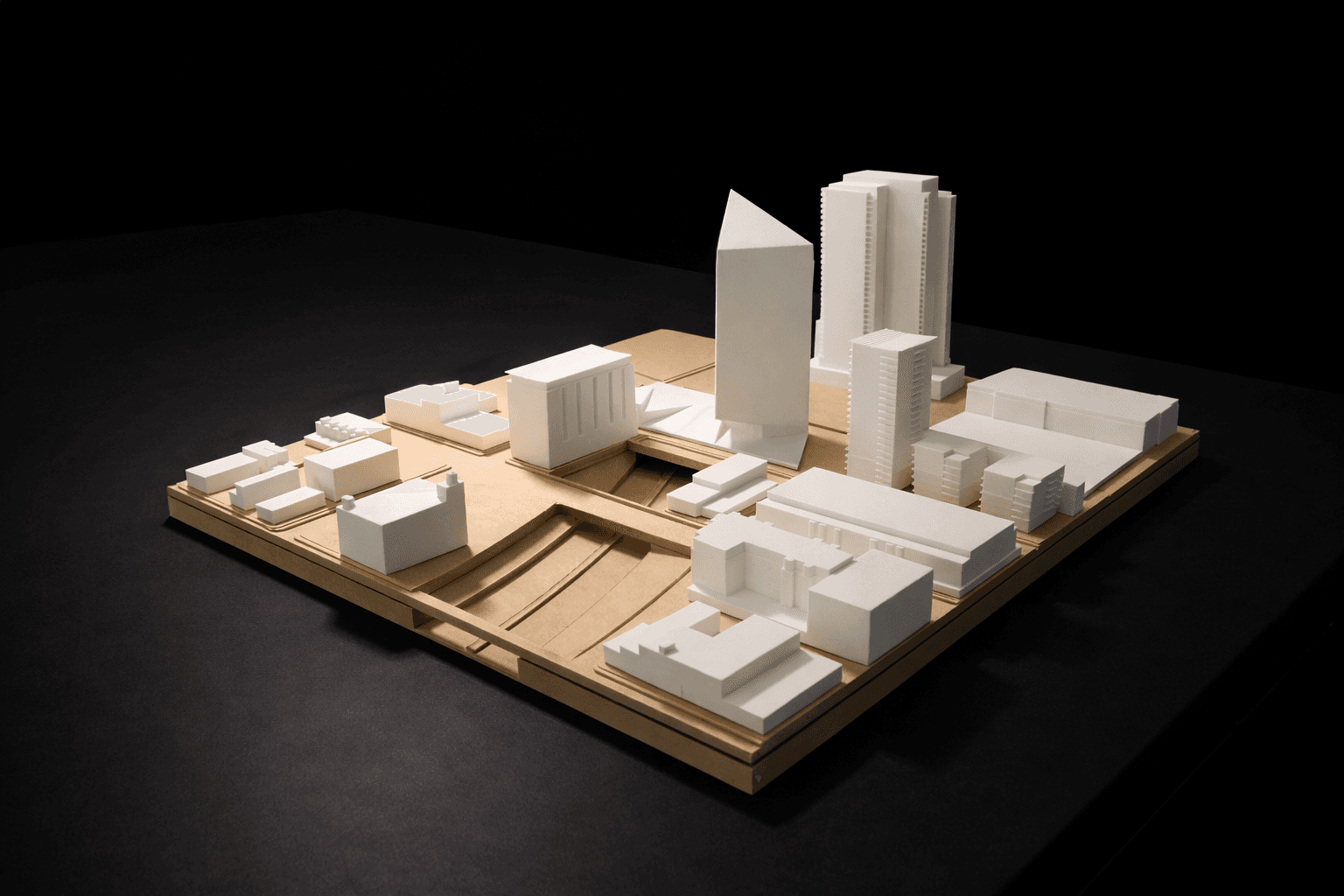
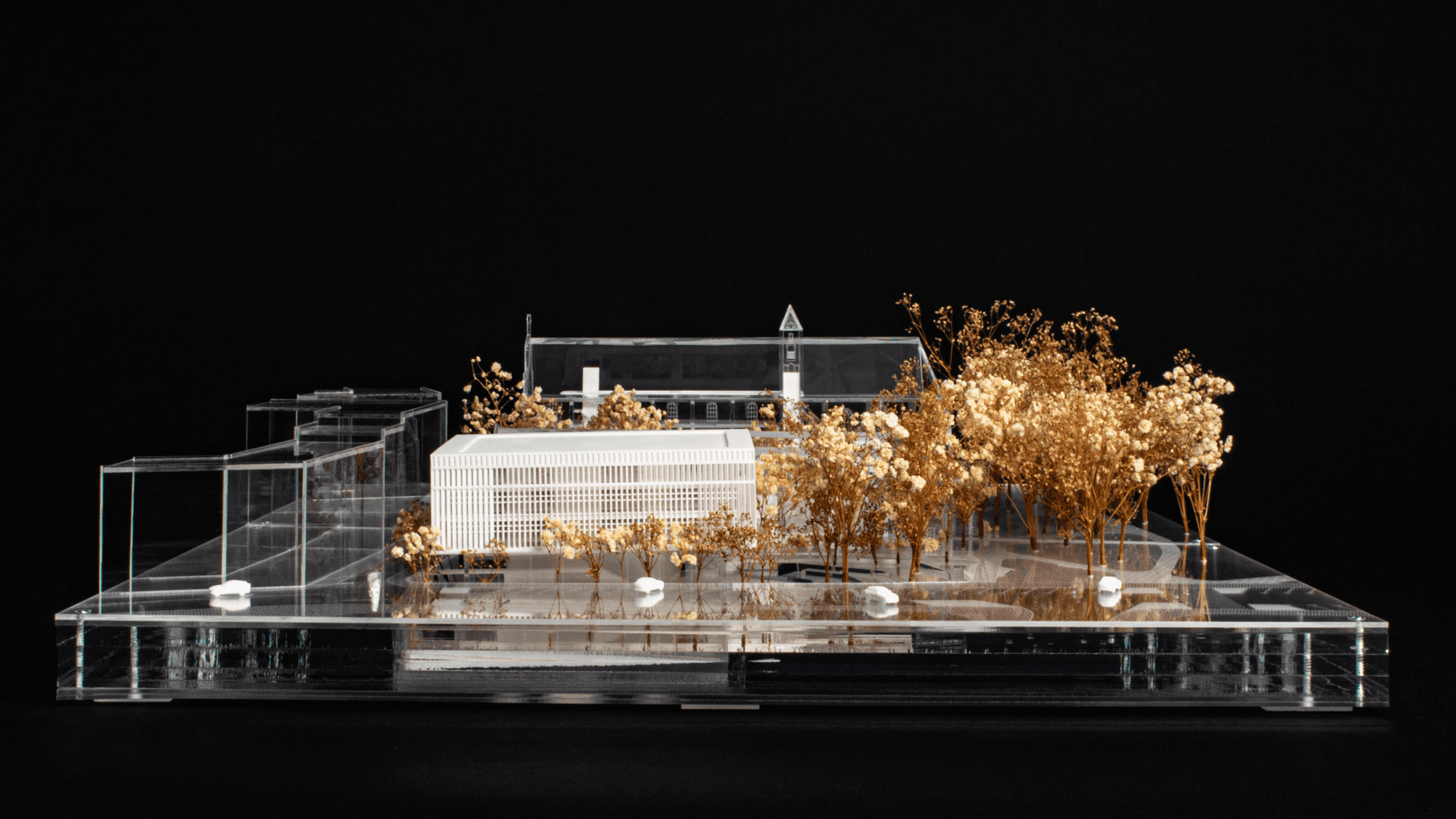
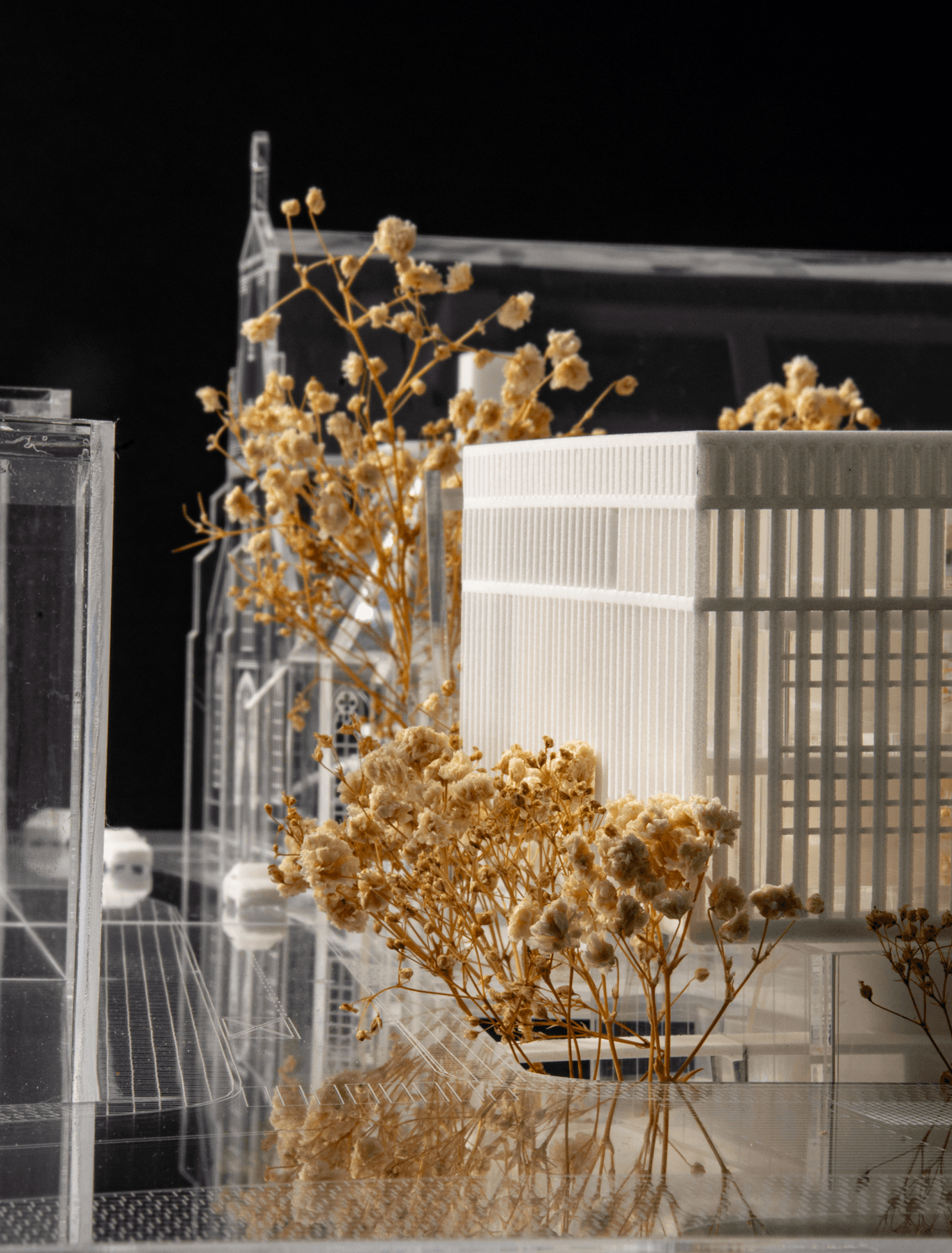
Coordination and Execution Intelligence
Fabrication supports coordination across disciplines by clarifying how architectural, structural, and systems components interface. Physical testing helps identify potential conflicts and sequencing challenges before they reach the field.
Insights gained through making feed directly back into drawings and models, strengthening the connection between design intent and execution.
Final Thought
Physical fabrication reinforces accountability in architectural practice. By testing ideas through making, OAO delivers work that is clearer to build, more resilient over time, and better aligned with how buildings are actually constructed.
Let’s keep in touch.
Discover more about high-performance web design. Follow us on Twitter and Instagram.