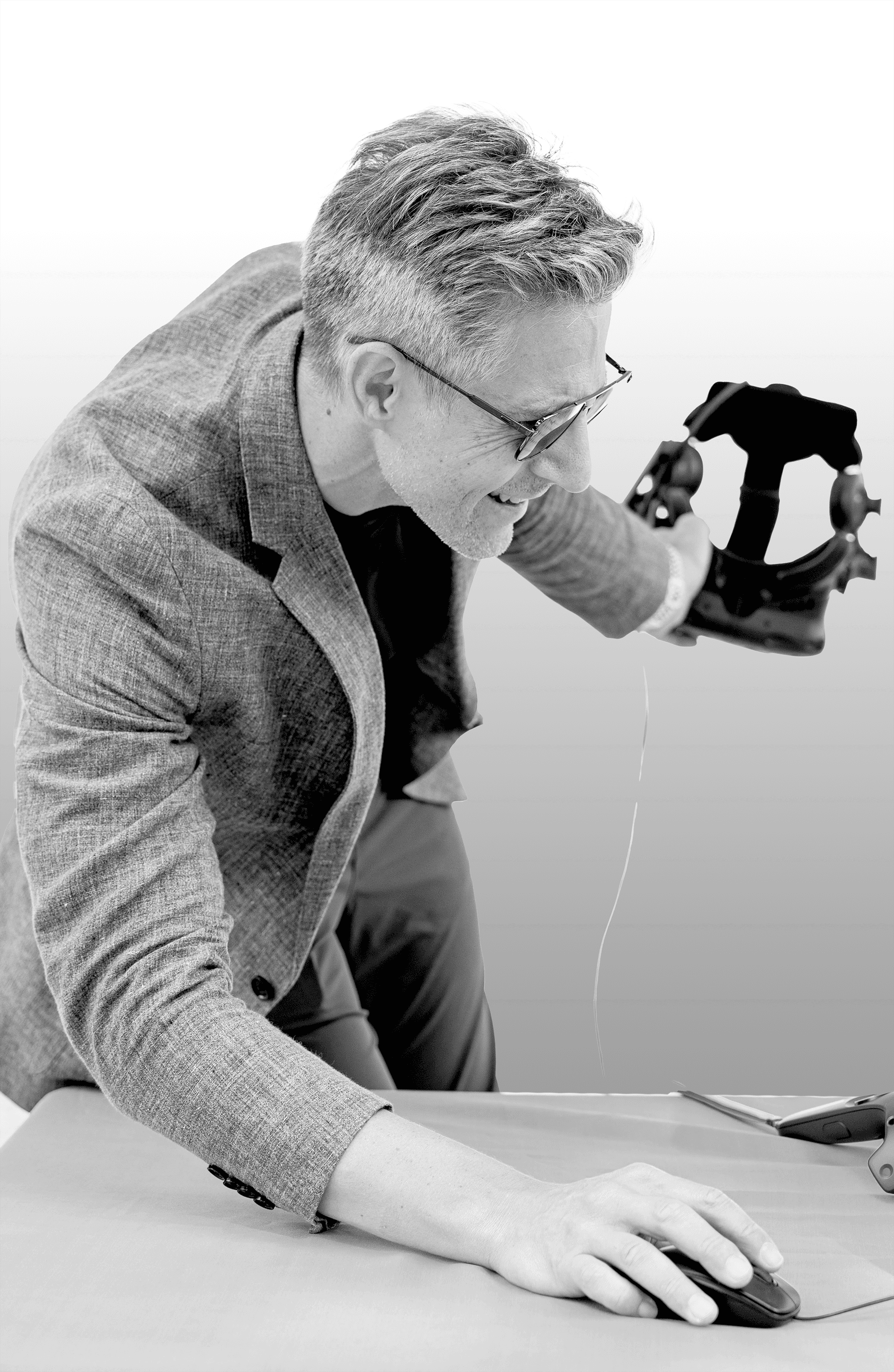

Visualization is most valuable when it supports better decisions, not better images.
Design Understanding and Alignment
Advanced visualization allows design intent to be understood spatially rather than abstractly. Virtual environments help clarify massing, circulation, sightlines, and adjacencies in ways that drawings alone often cannot. This shared understanding improves alignment among clients, design teams, and consultants early in the process.
By testing ideas in three dimensions, teams can identify issues, evaluate alternatives, and build consensus before complexity and cost increase.
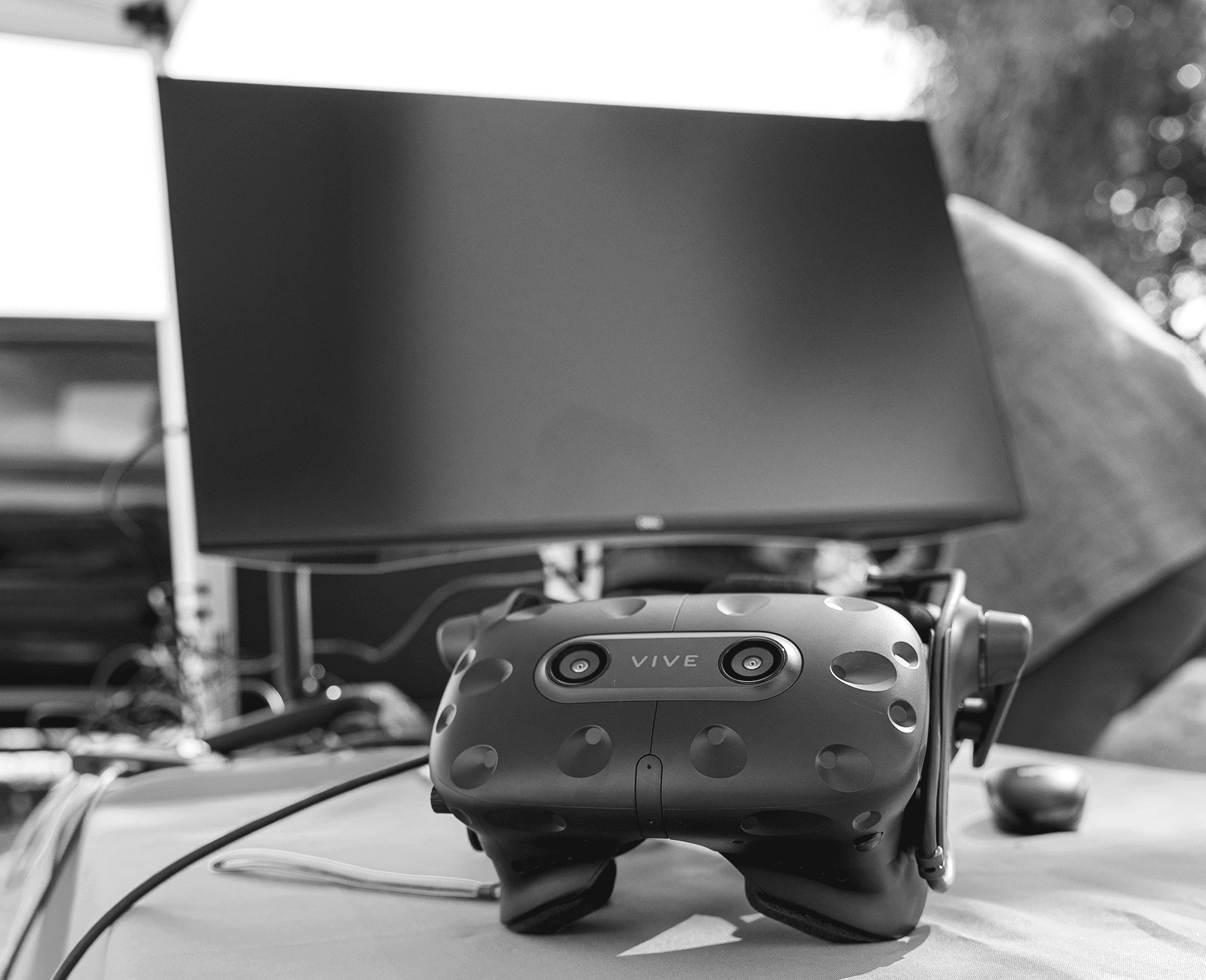
Coordination and Risk Reduction
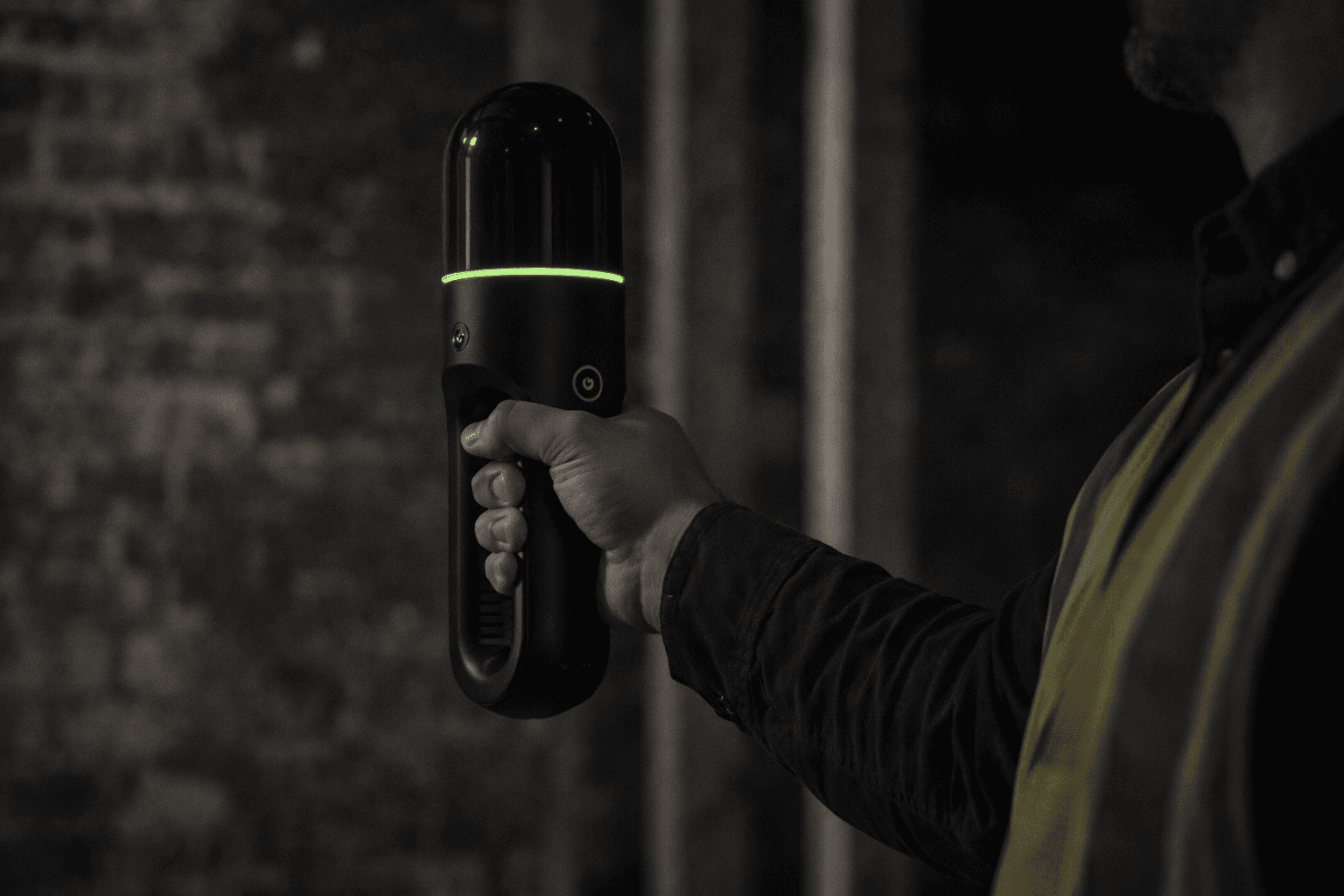
Visualization tools are used to support coordination across architecture, structure, and building systems. Spatial conflicts, access challenges, and constructability concerns can be identified earlier, reducing downstream revisions and change orders.
For complex urban and adaptive reuse projects, immersive visualization helps teams work confidently within tight constraints while preserving design intent
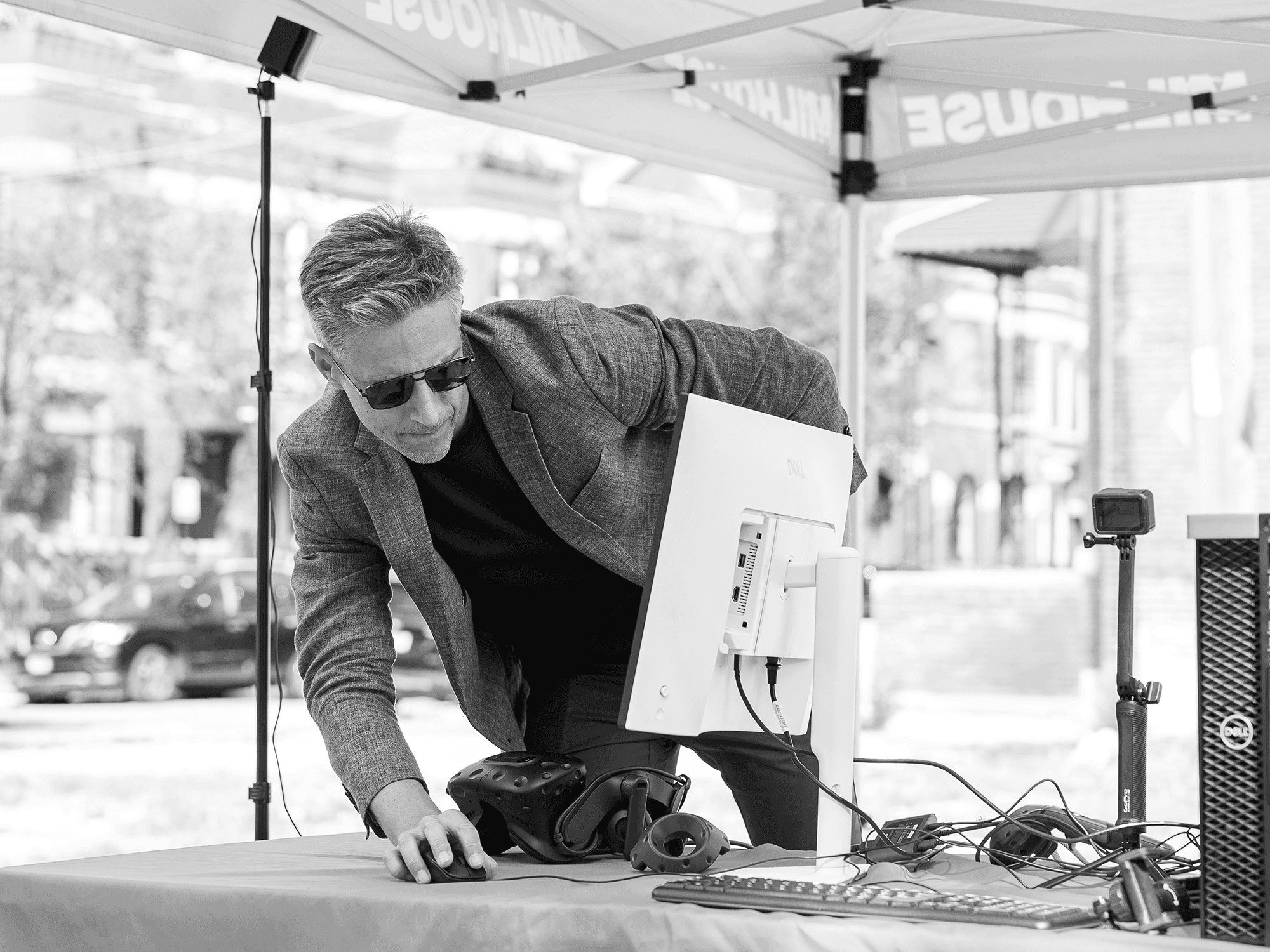
Communication with Communities and Stakeholders
Virtual reality and visualization support transparent communication with public agencies, community groups, and non-technical audiences. By making projects legible and accessible, these tools foster more productive dialogue and informed feedback.
Clear visualization helps align expectations, supports approvals, and strengthens trust throughout the project lifecycle.
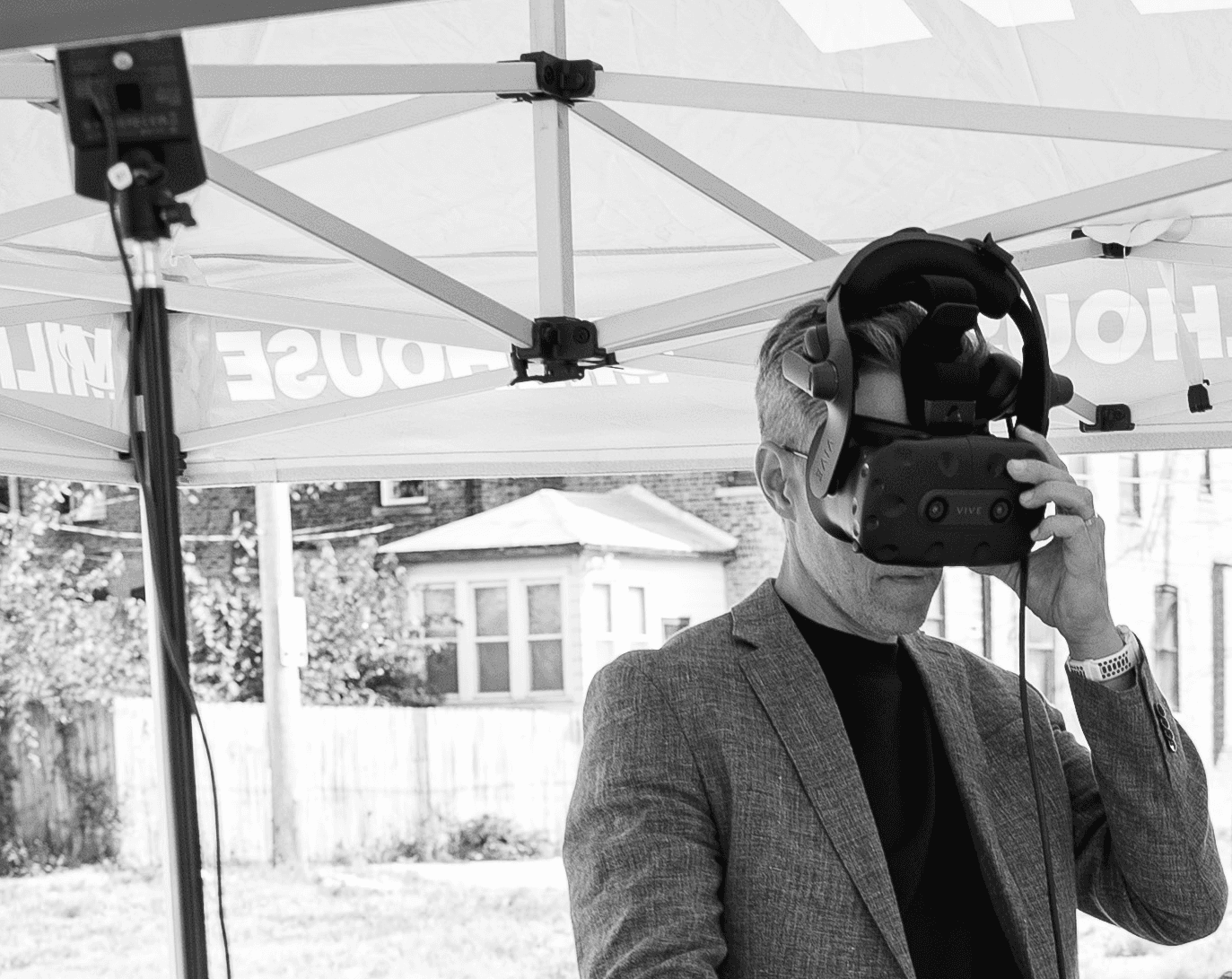
Final Thought
When used deliberately, virtual reality and advanced visualization strengthen architectural outcomes. By improving understanding, coordination, and communication early, OAO uses these tools to support resilient, buildable projects that reflect shared intent before construction begins.
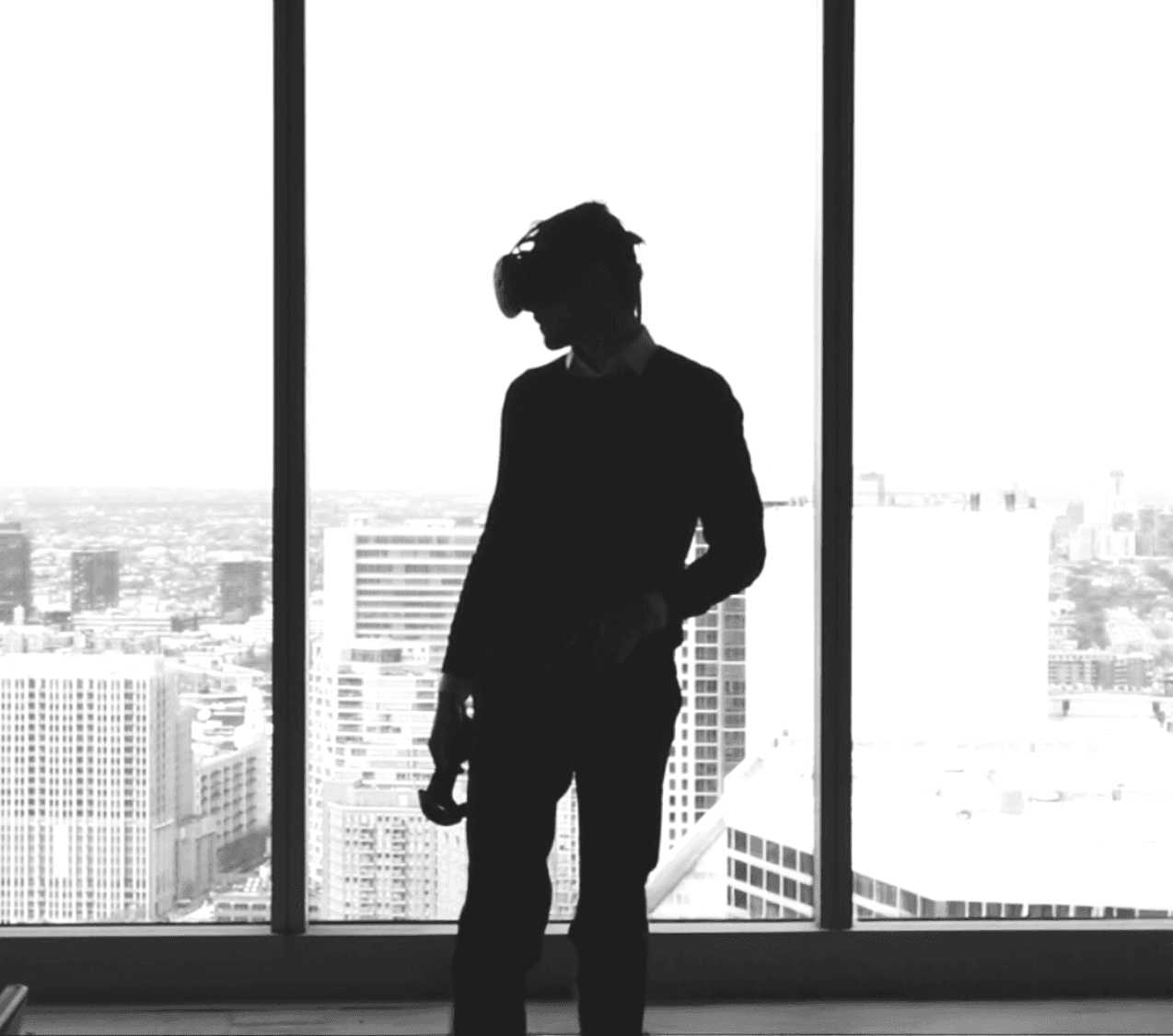
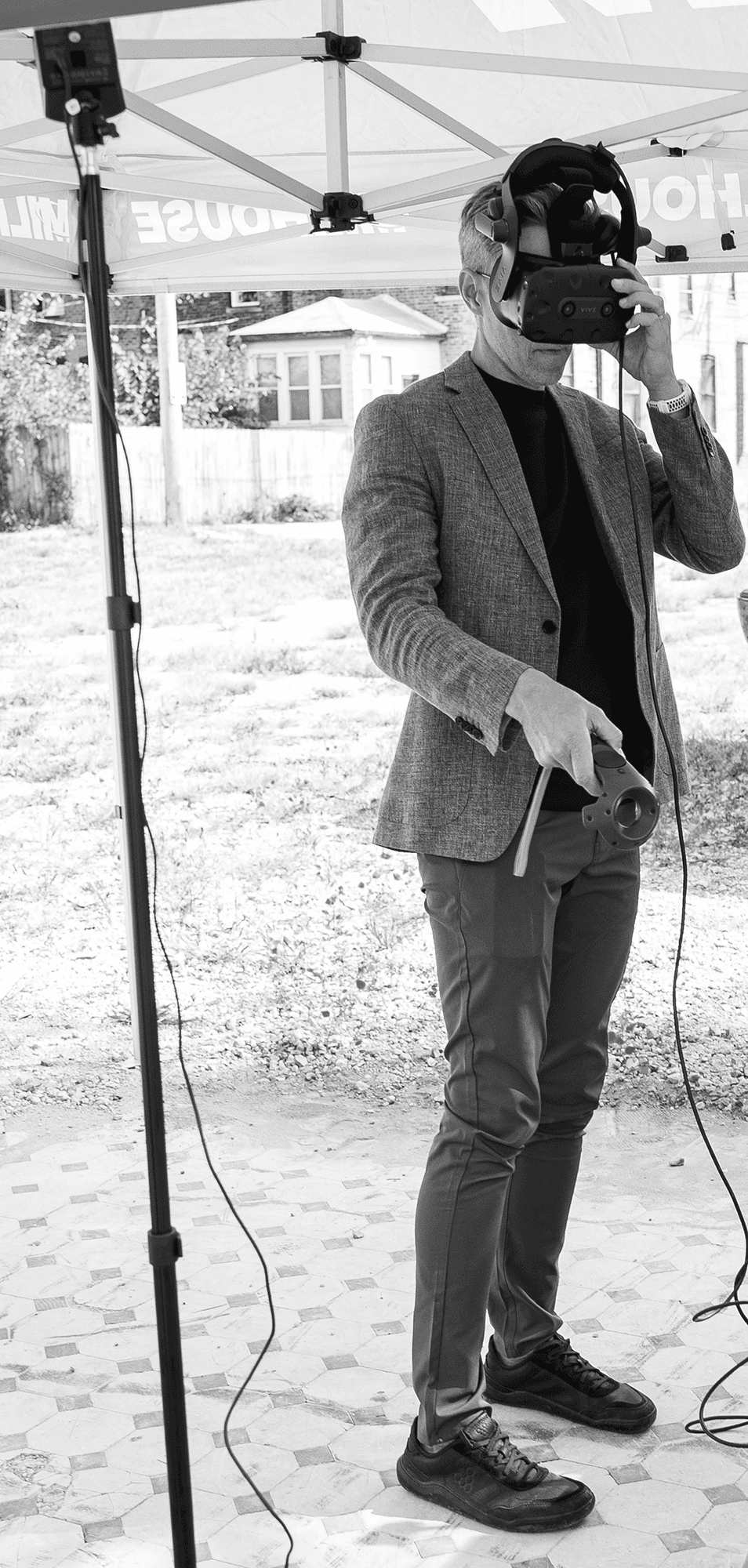
Visualization tools support mixed-use housing projects, improving coordination and stakeholder alignment.
Let’s keep in touch.
Discover more about high-performance web design. Follow us on Twitter and Instagram.