47th Works
Adaptive Reuse and Mixed-Use Housing on 47th Street
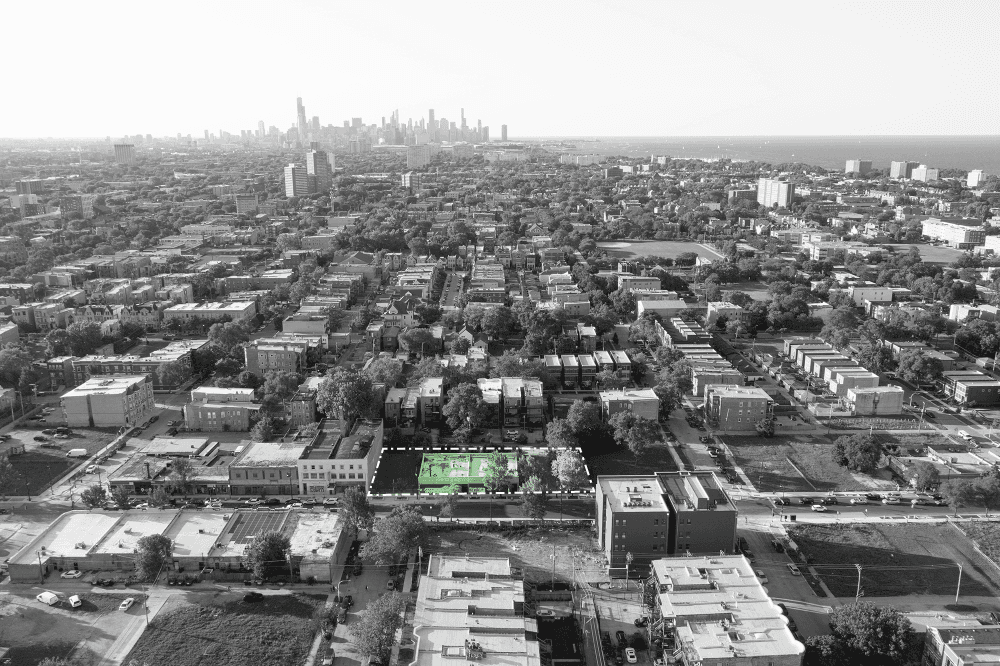
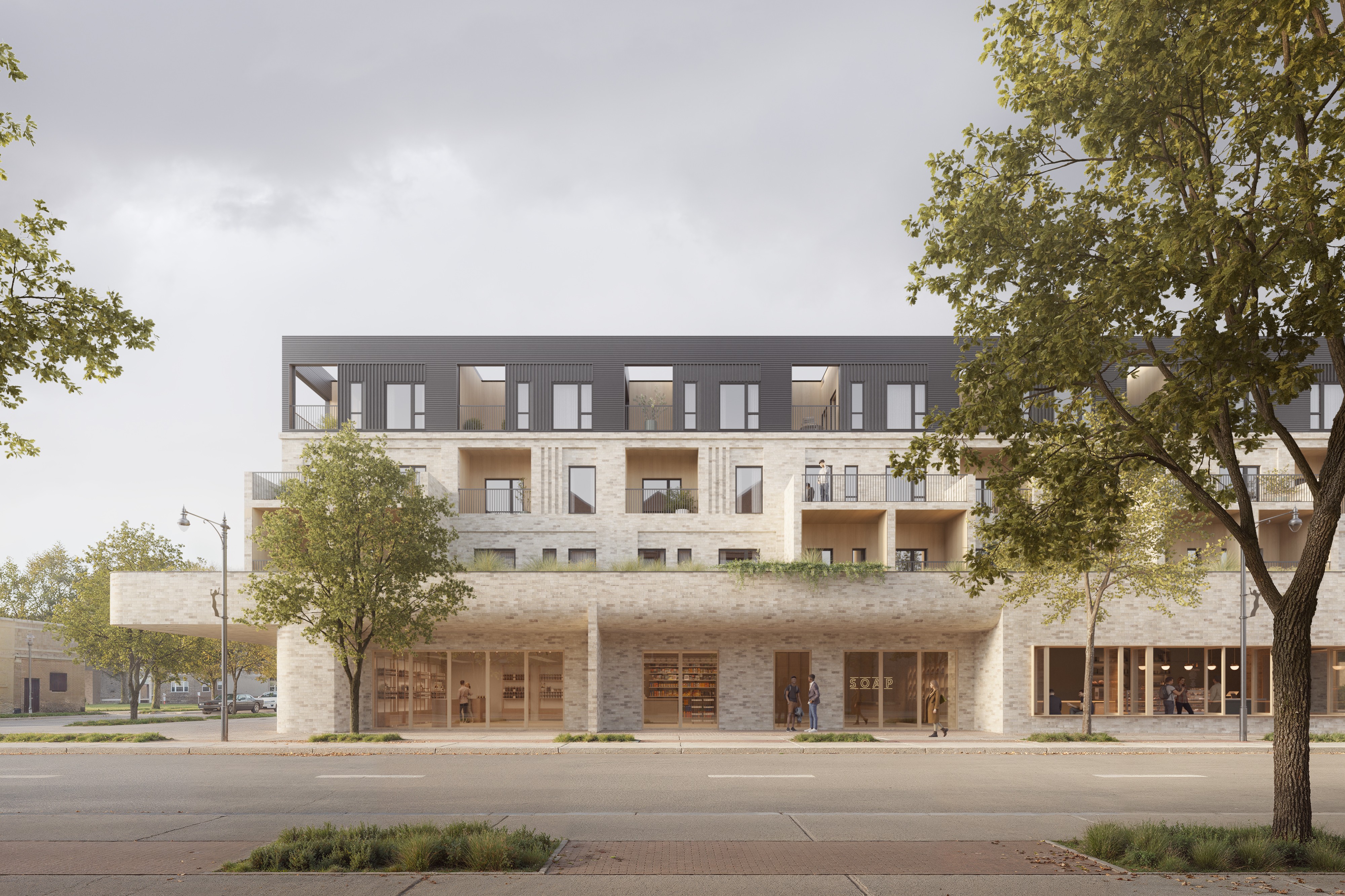
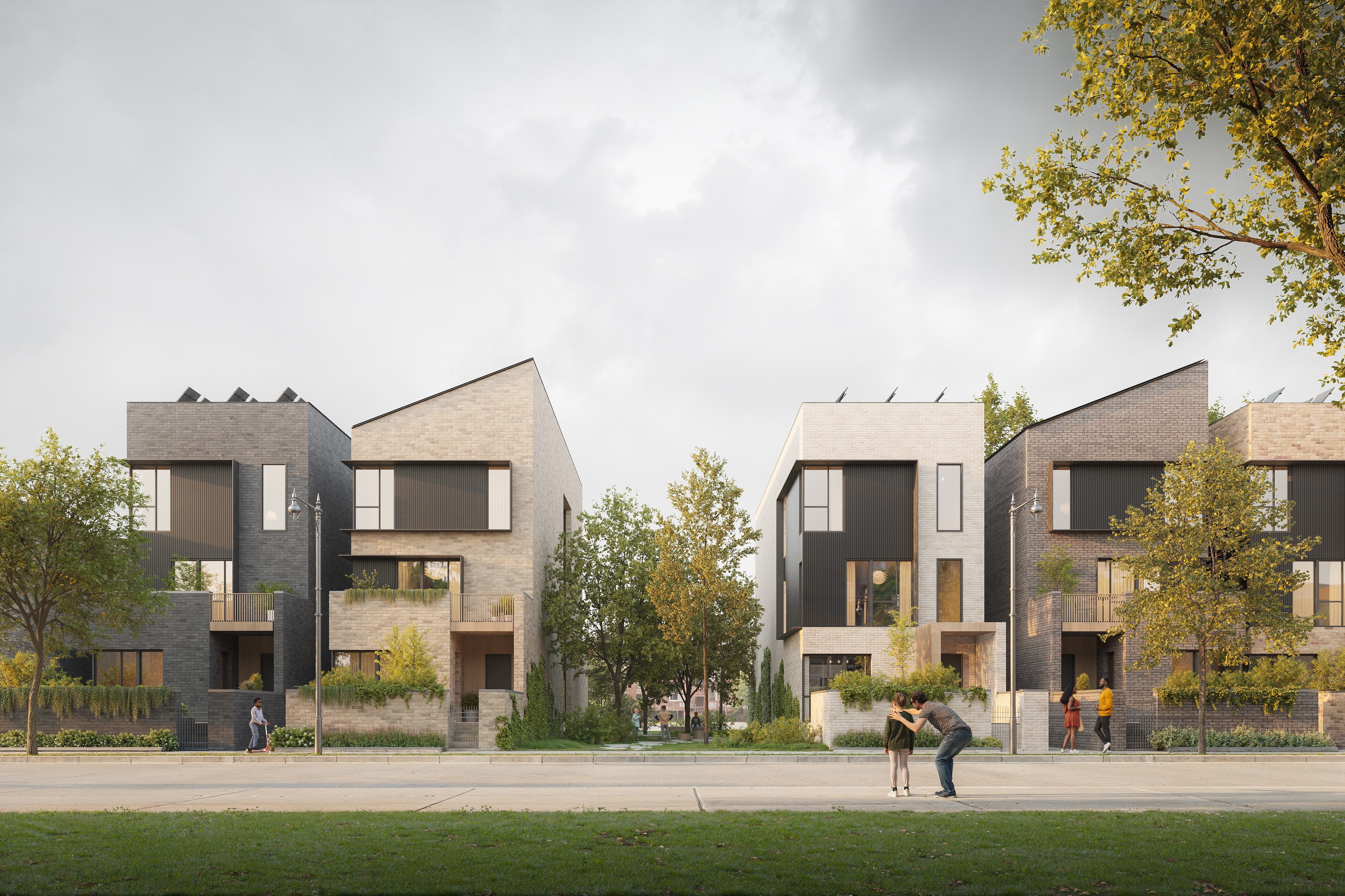
Located along the 47th Street corridor, the building sits within a context defined by strong cultural identity, historic storefront patterns, and renewed development pressure. It occupies a critical hinge between active uses and underutilized parcels.
The project responds to layered forces including a walkable, transit-supported corridor, a legacy of small-scale commercial activity, growing demand for housing, and the need for reinvestment that strengthens local character rather than replacing it.
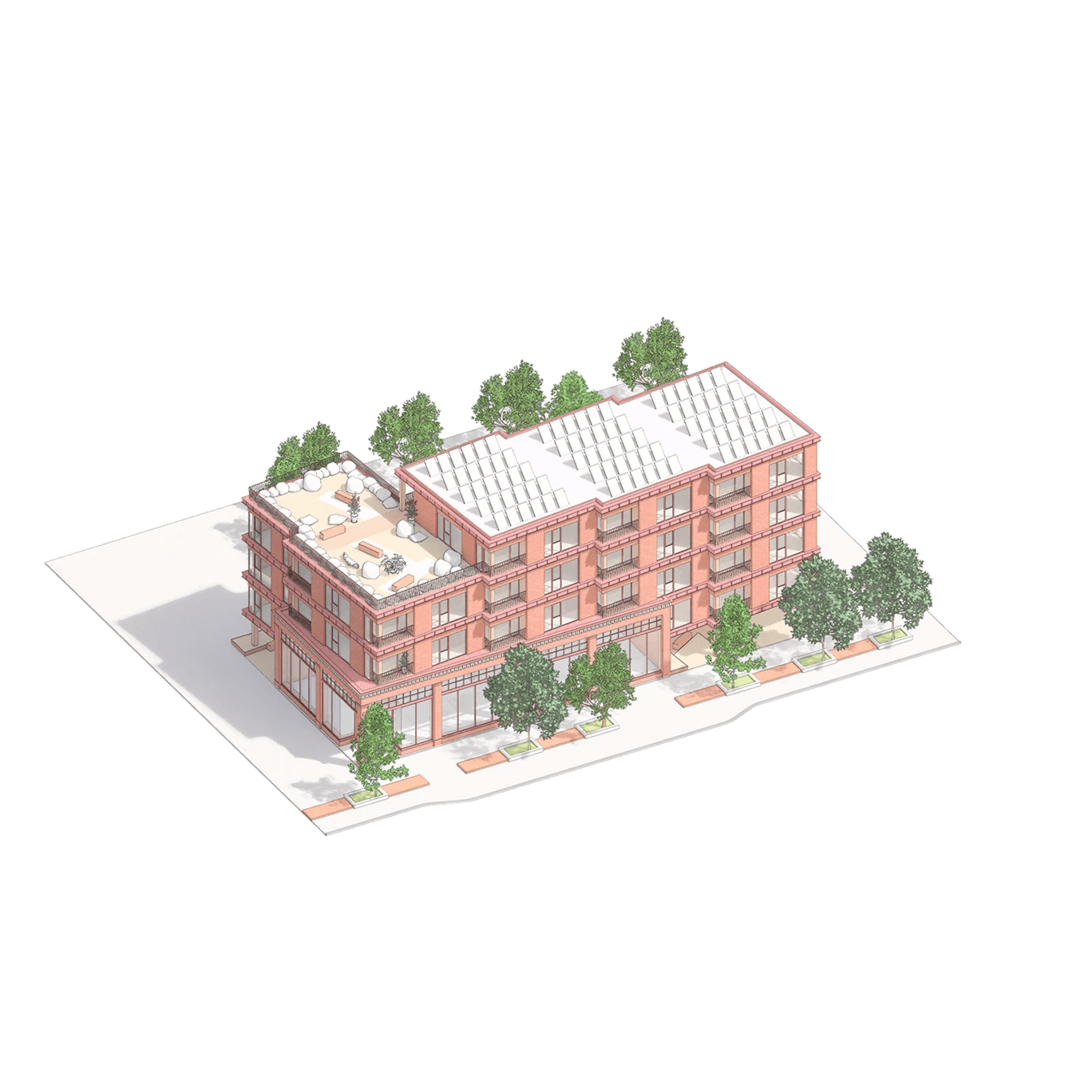
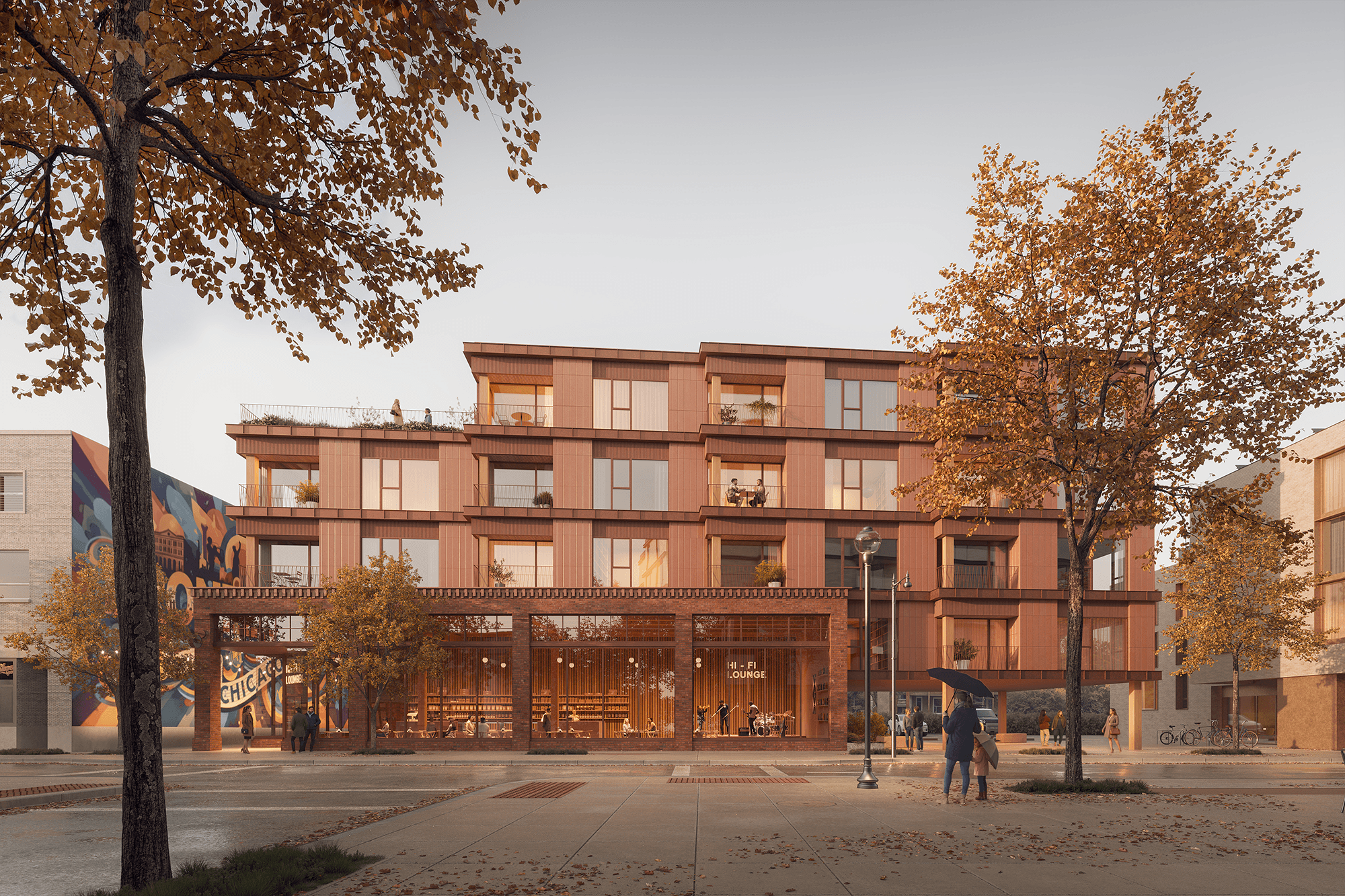
47th Works is not a comprehensive redevelopment and does not attempt to resolve the entire corridor at once.
Instead, it establishes a framework for incremental transformation based on reuse over replacement, activation over speculation, and flexibility over fixed outcomes. Retaining the existing building allows the site to evolve while remaining deeply connected to its context.
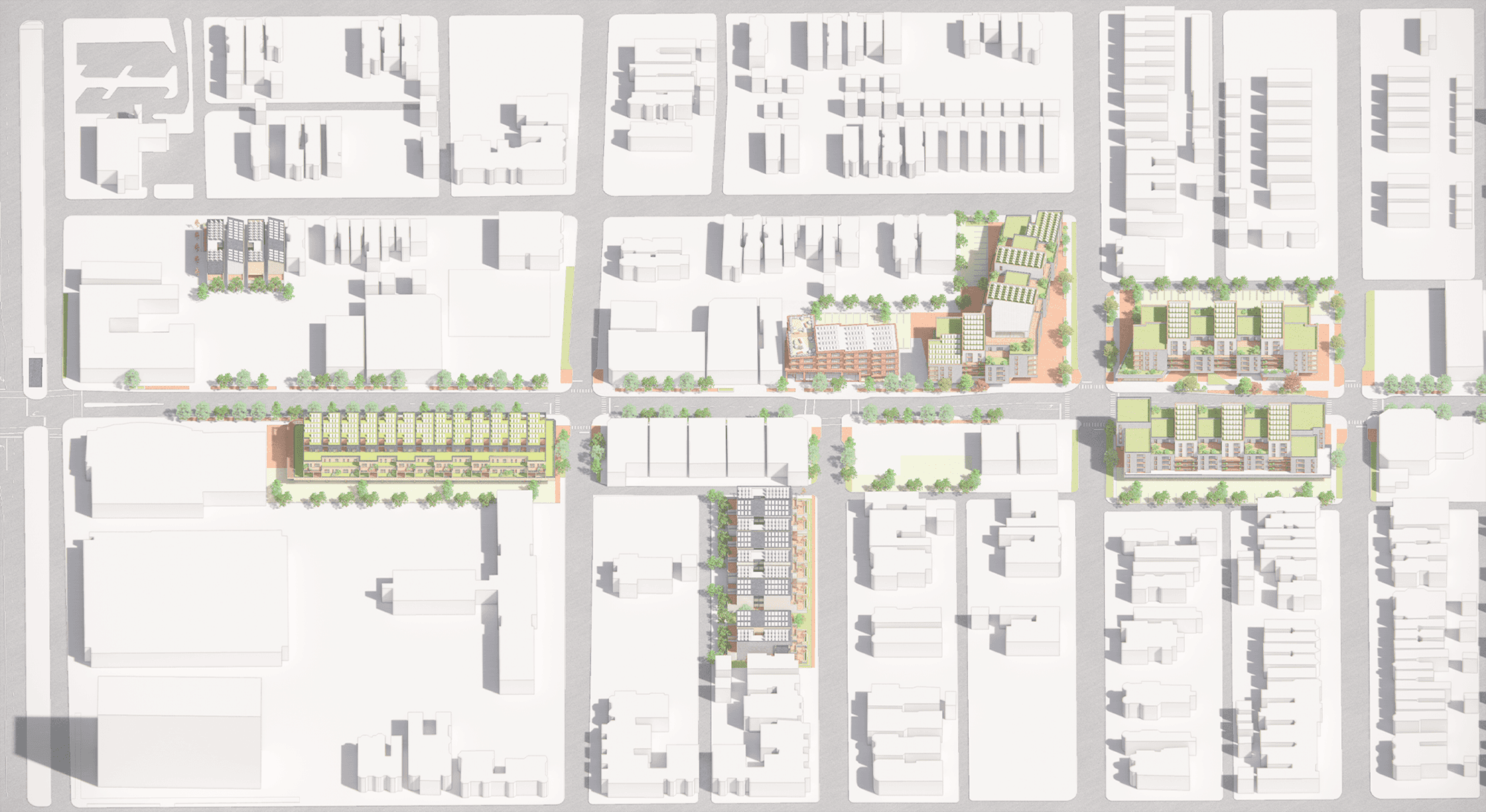
The opportunity at 47th Works lies in its scale and position within the corridor.
Rather than pursuing large, capital-intensive redevelopment, the project focuses on a single building with strong street presence, clear visibility, and the capacity to support mixed-use programming without extensive infrastructure change. This restraint enables near-term action while contributing to long-term corridor goals.
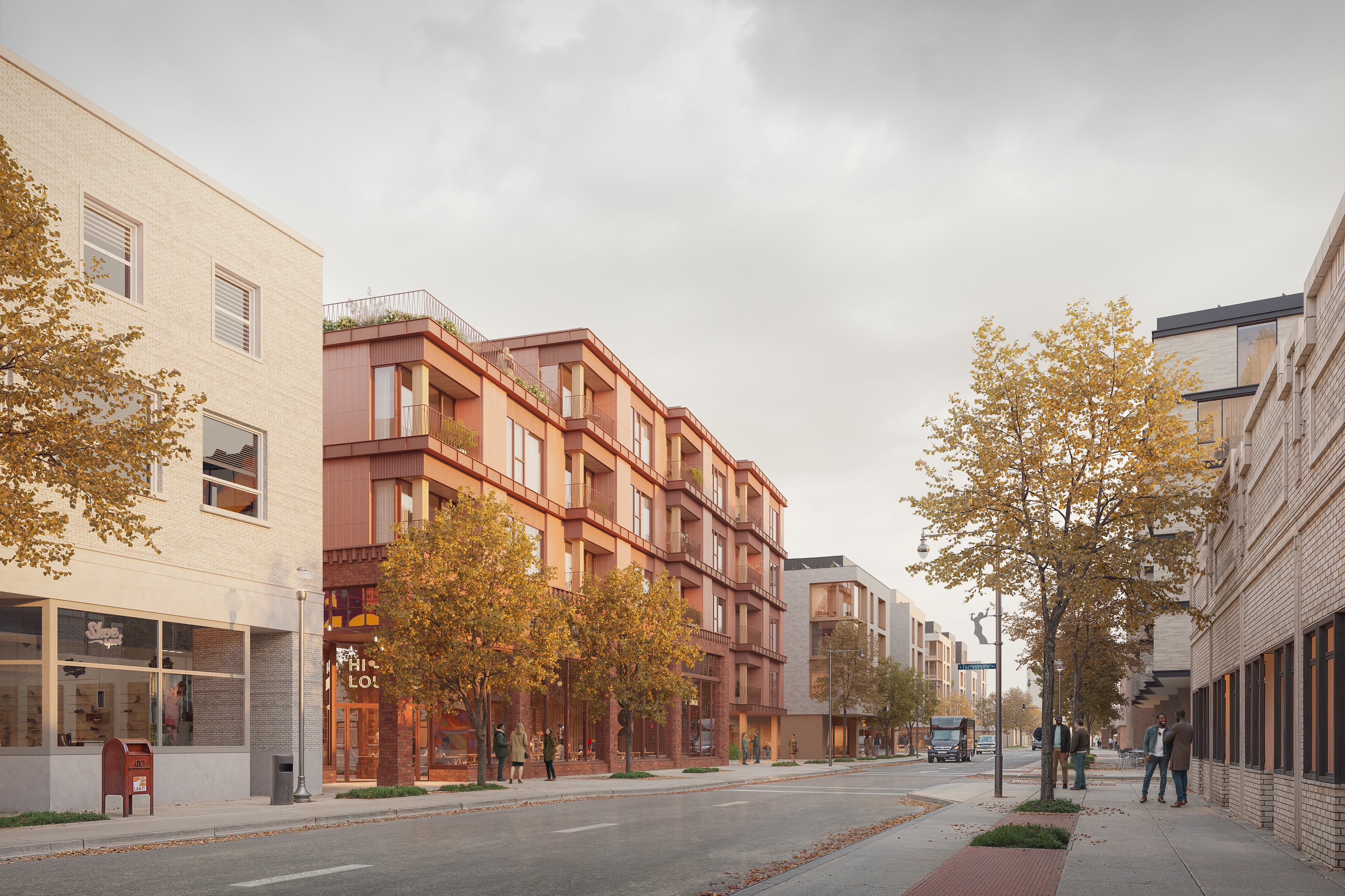
47th Works is conceived as an early catalyst rather than a final condition.
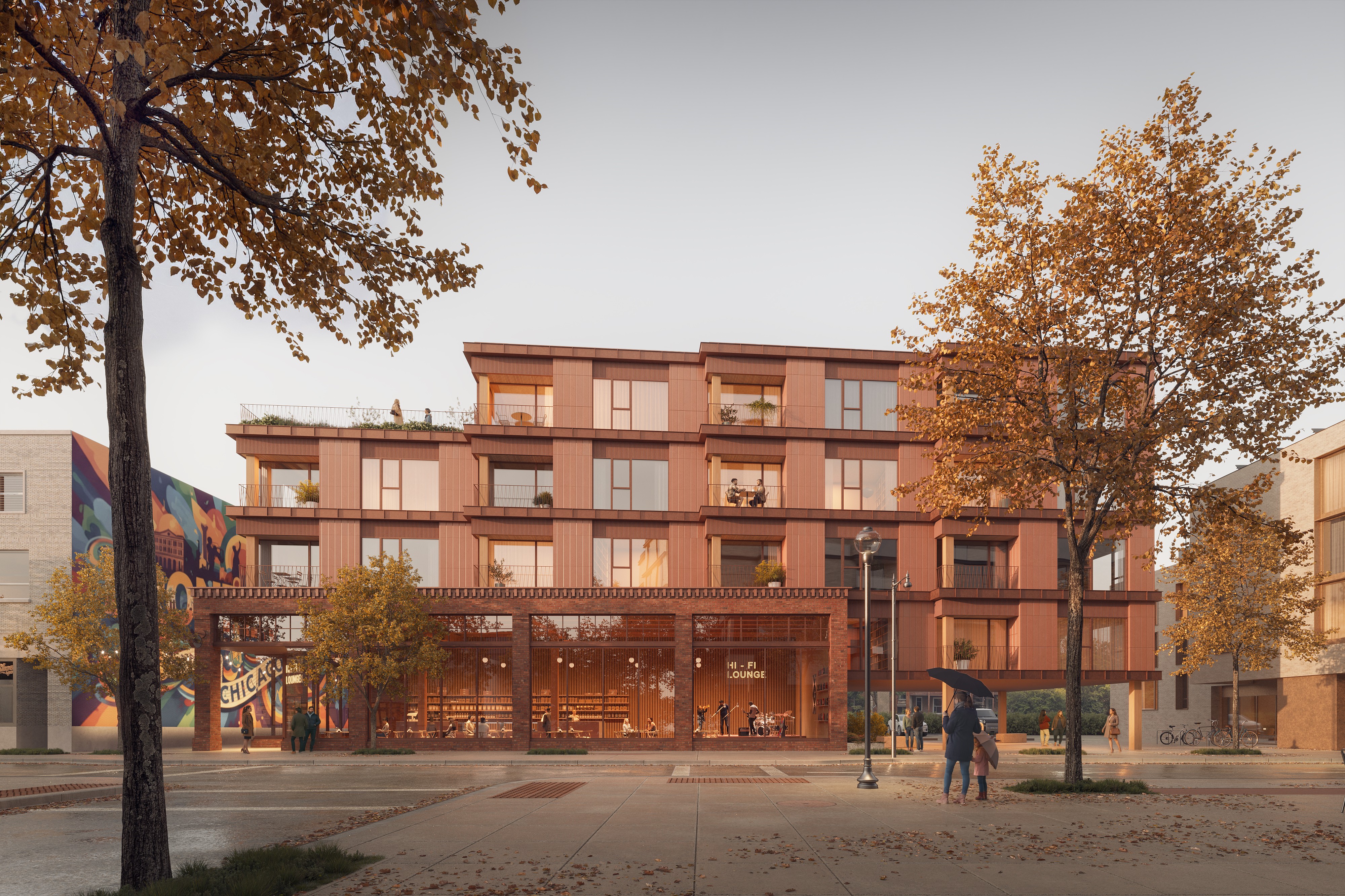
New housing above active ground-floor uses establishes a continuous cycle of daily activity. Residents support local businesses, while ground-floor programs reinforce street life throughout the day and evening. This concentration of activity signals reinvestment and encourages surrounding properties to evolve incrementally.
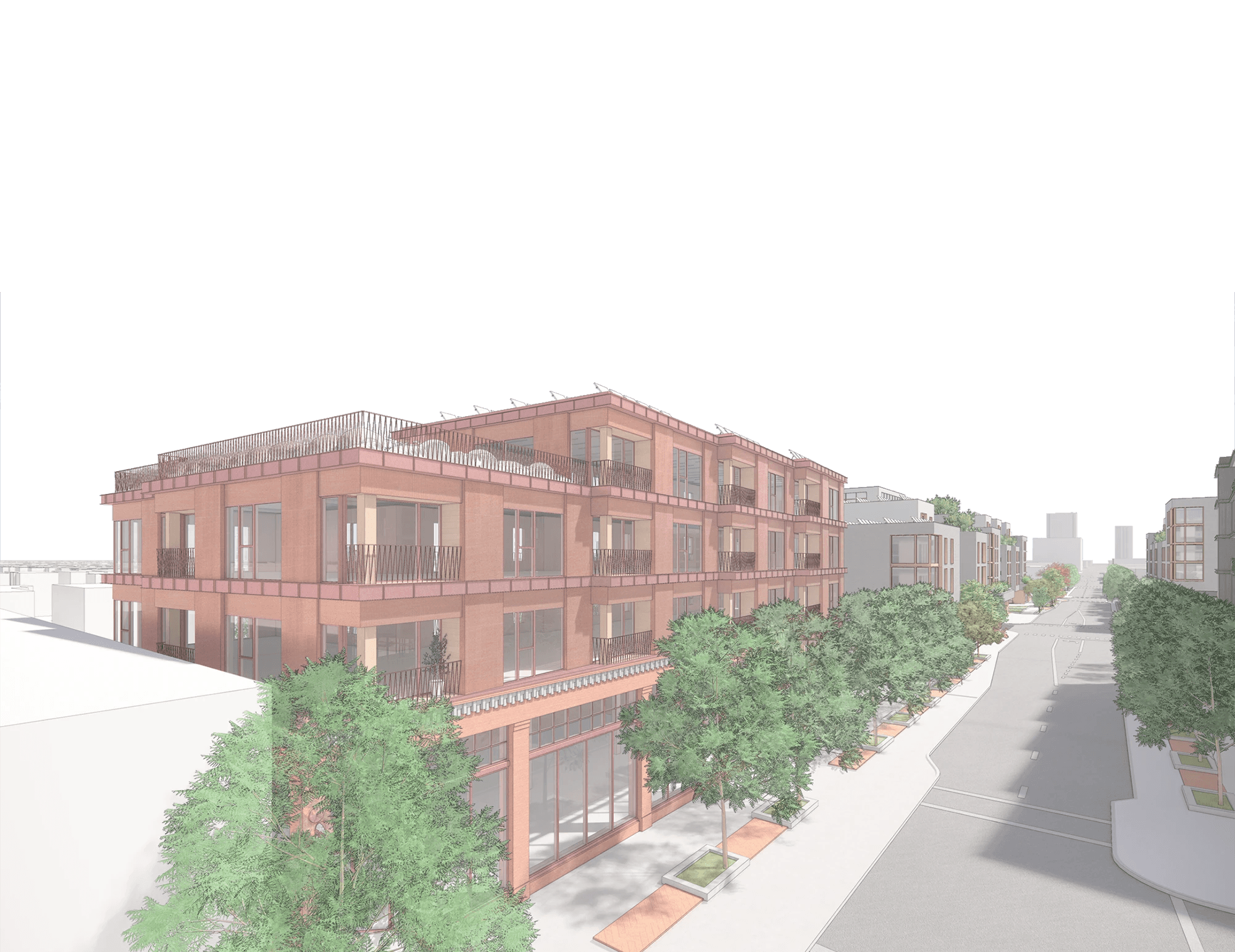
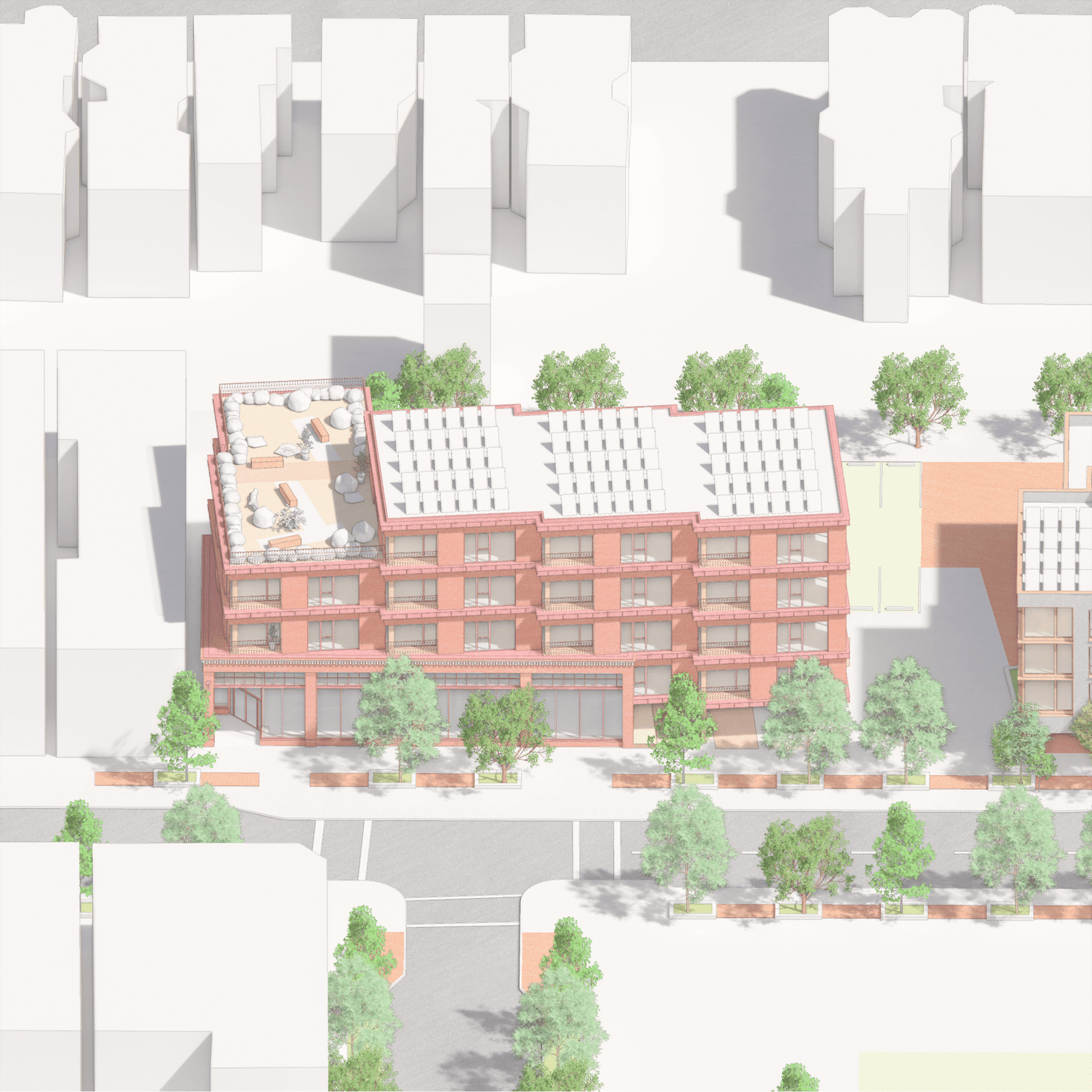
Ground-floor space is treated as essential neighborhood infrastructure.
Retail, food and beverage, cultural, and community-serving uses are prioritized at the street edge to reinforce safety, visibility, and economic opportunity. Programs are designed to remain flexible, allowing the building to respond to changing needs while maintaining consistency and familiarity along the corridor.
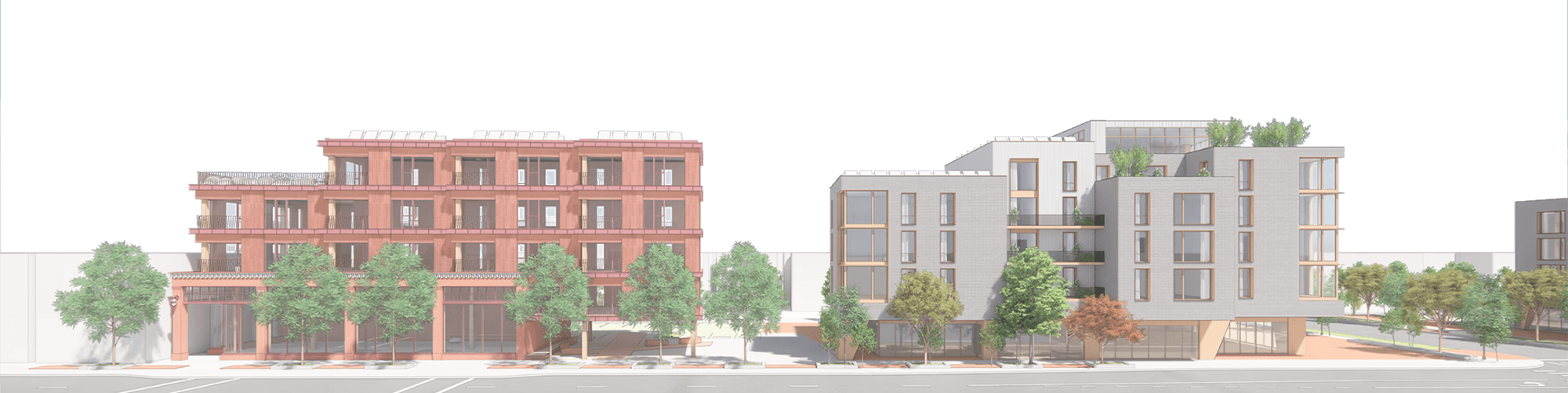
The project emphasizes adaptable layouts, lightweight construction, and systems designed to evolve over time.
Spaces can be reconfigured or reprogrammed as demand shifts without undermining the original investment. This approach reduces upfront risk while supporting long-term resilience and continued relevance.
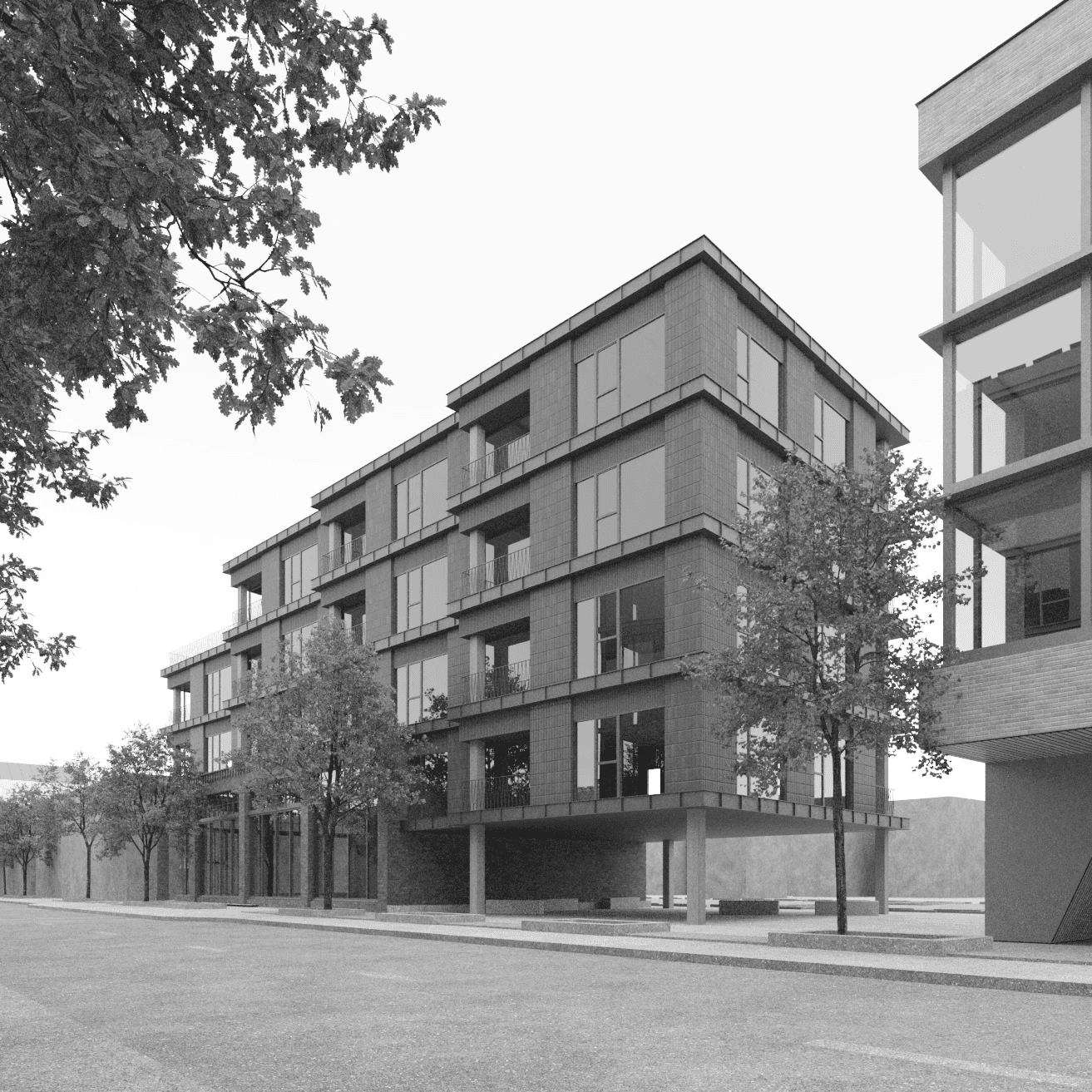
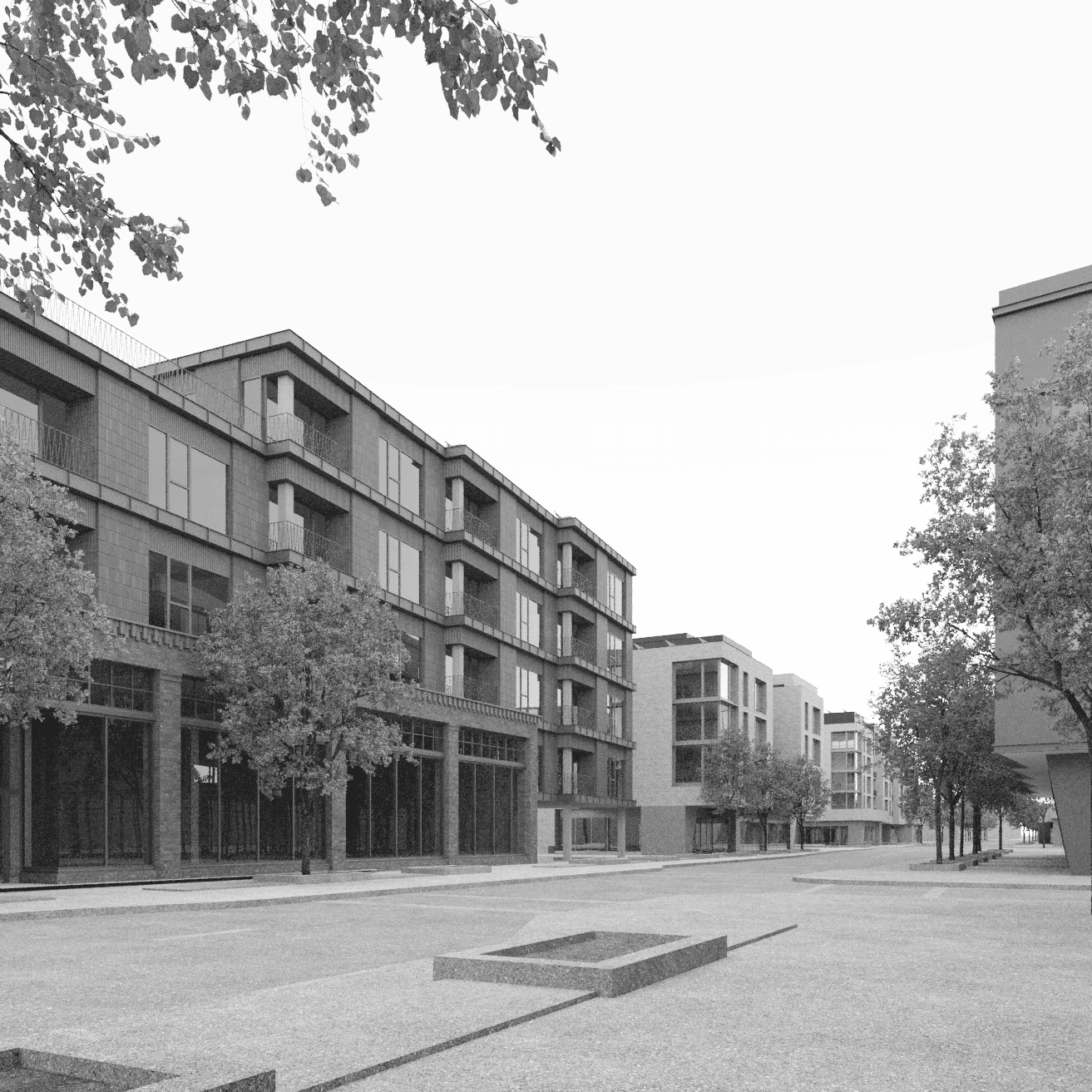
47th Works strengthens the public realm by reinforcing the street wall and contributing to a continuous pedestrian experience along 47th Street.
By reactivating an underutilized frontage, the project helps close gaps in the corridor, making the street feel more cohesive, walkable, and legible while complementing existing activity.
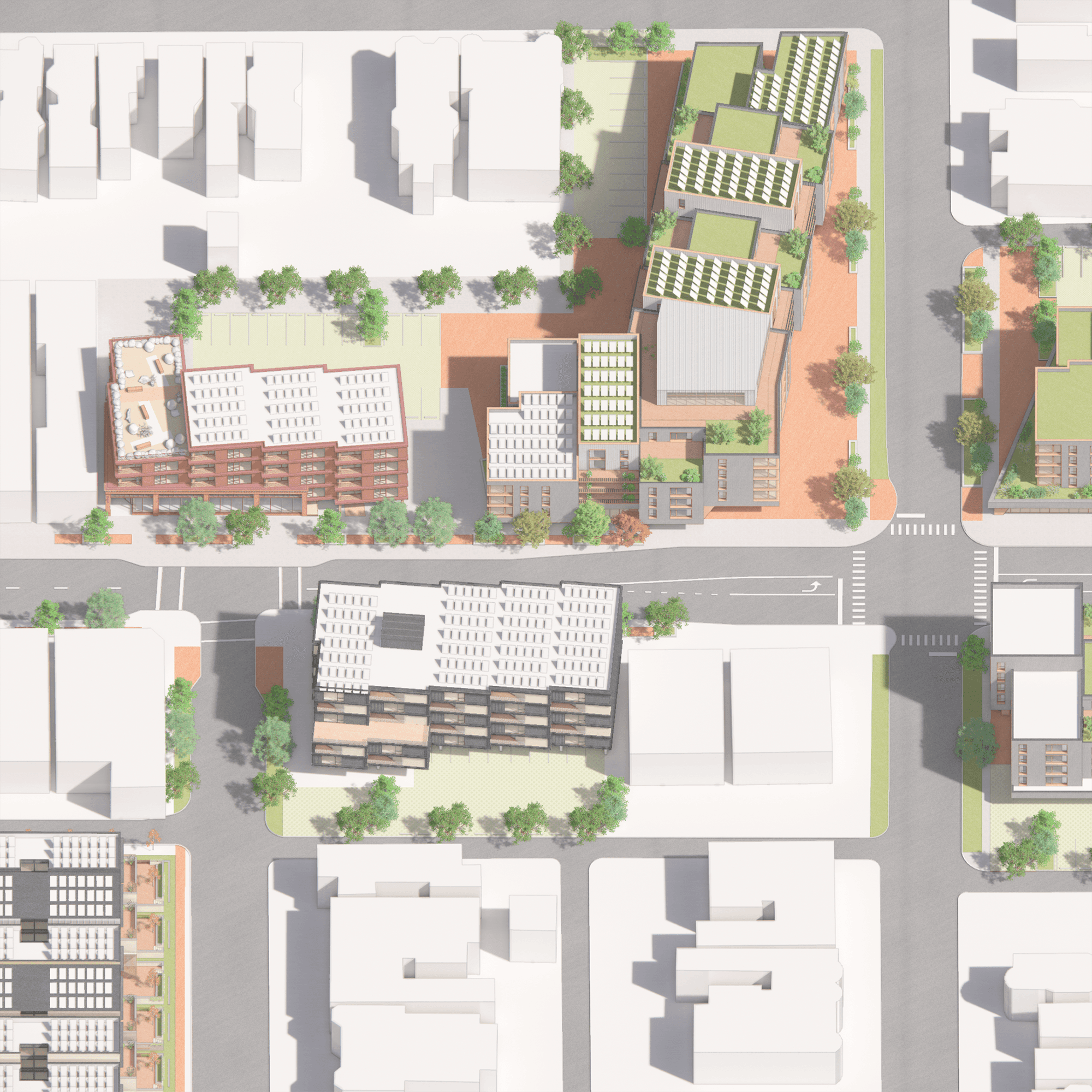
47th Works is intentionally modest in scale but ambitious in impact.
The project demonstrates how adaptive reuse, guided by clarity and respect for context, can serve as a powerful tool for neighborhood reinvestment. It establishes conditions for incremental, community-centered growth and offers a replicable model for how corridors like 47th Street can evolve with intention.
Related Research.
Early design relied on laser scanning and spatial intelligence research to accurately document existing conditions.

Next projects.
(2016-25©)