Edgewater Crossings
Mixed-Use Residential Development at Broadway and Hollywood in Edgewater Along a Transit-Oriented Corridor
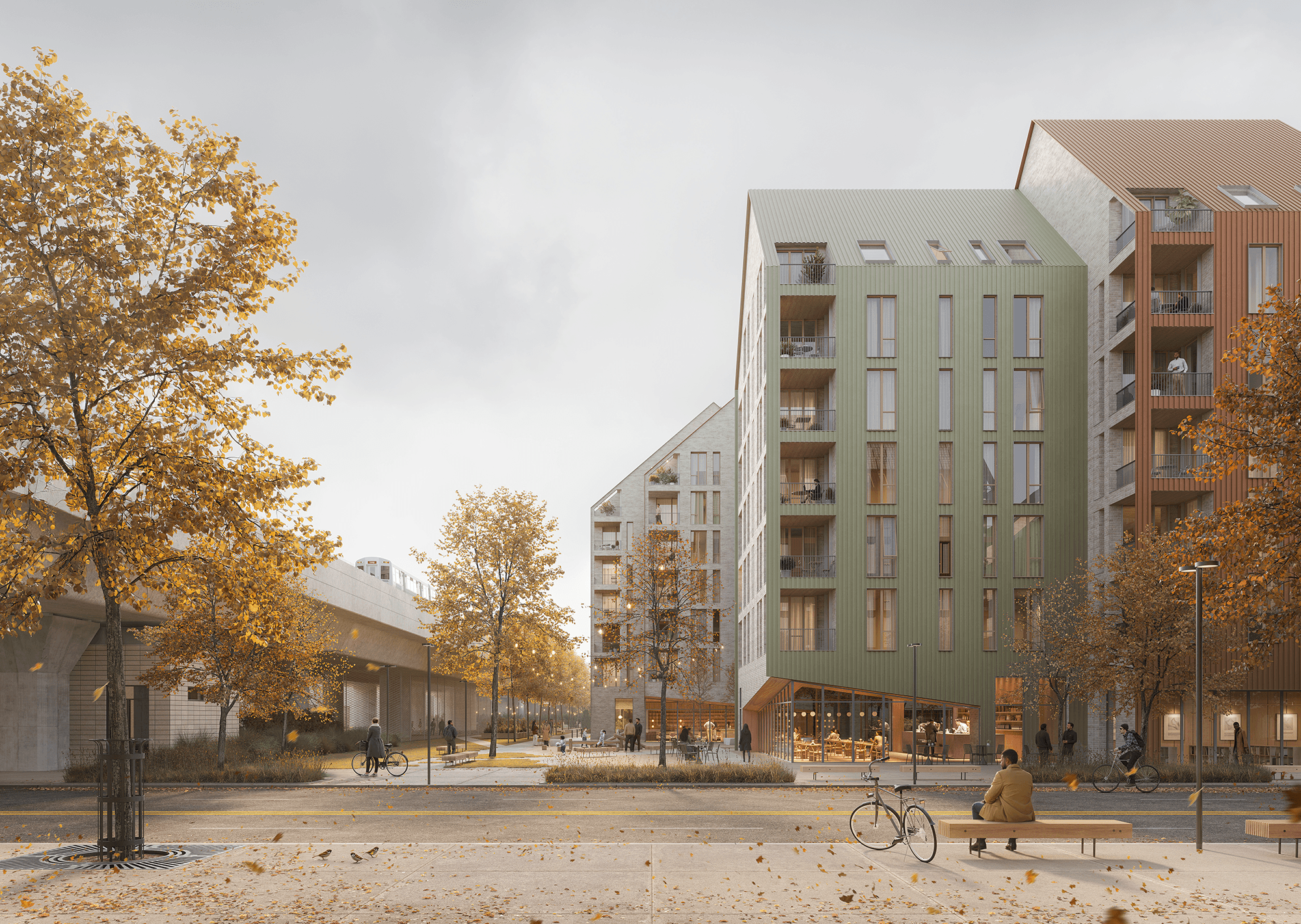
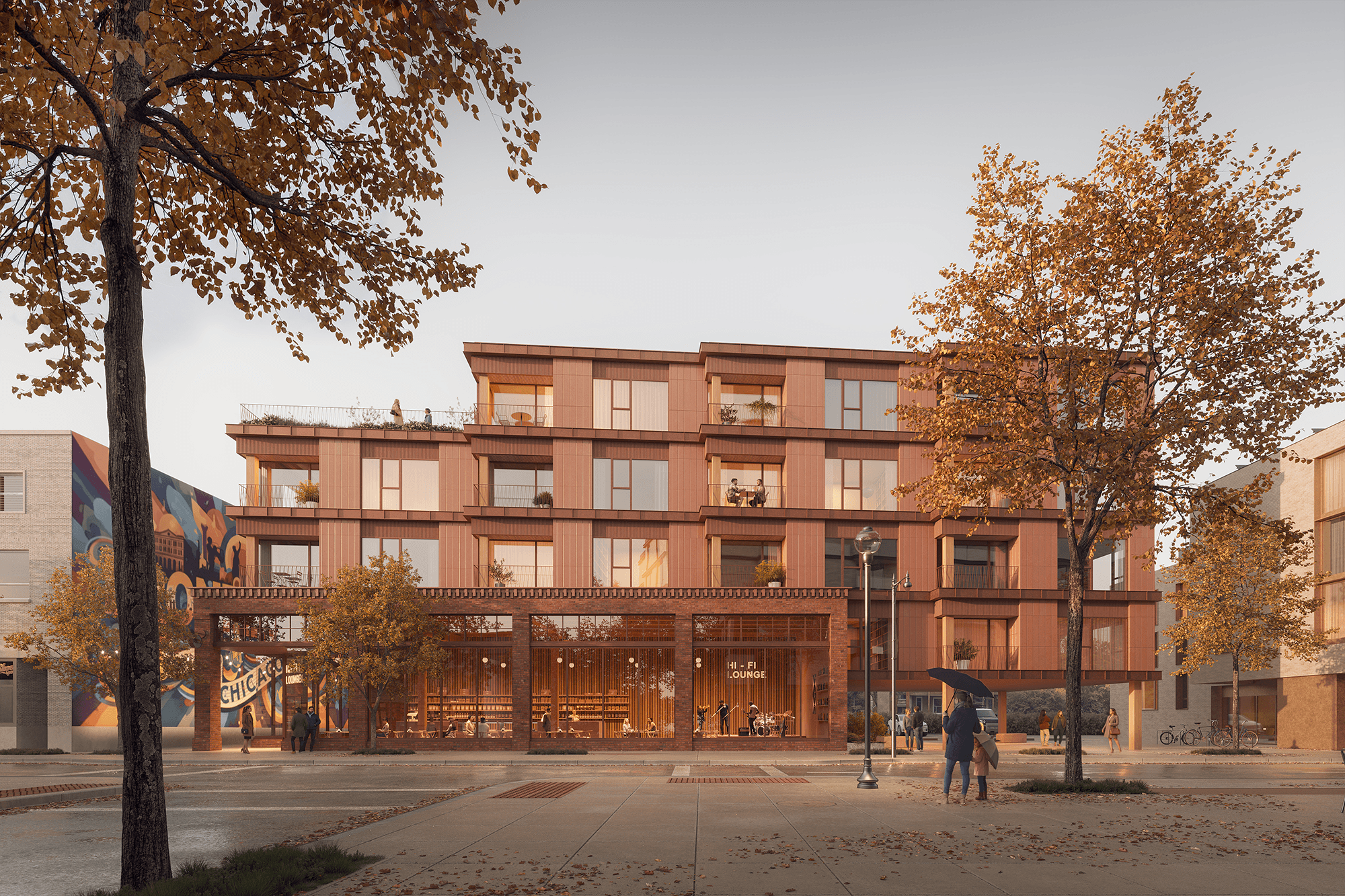
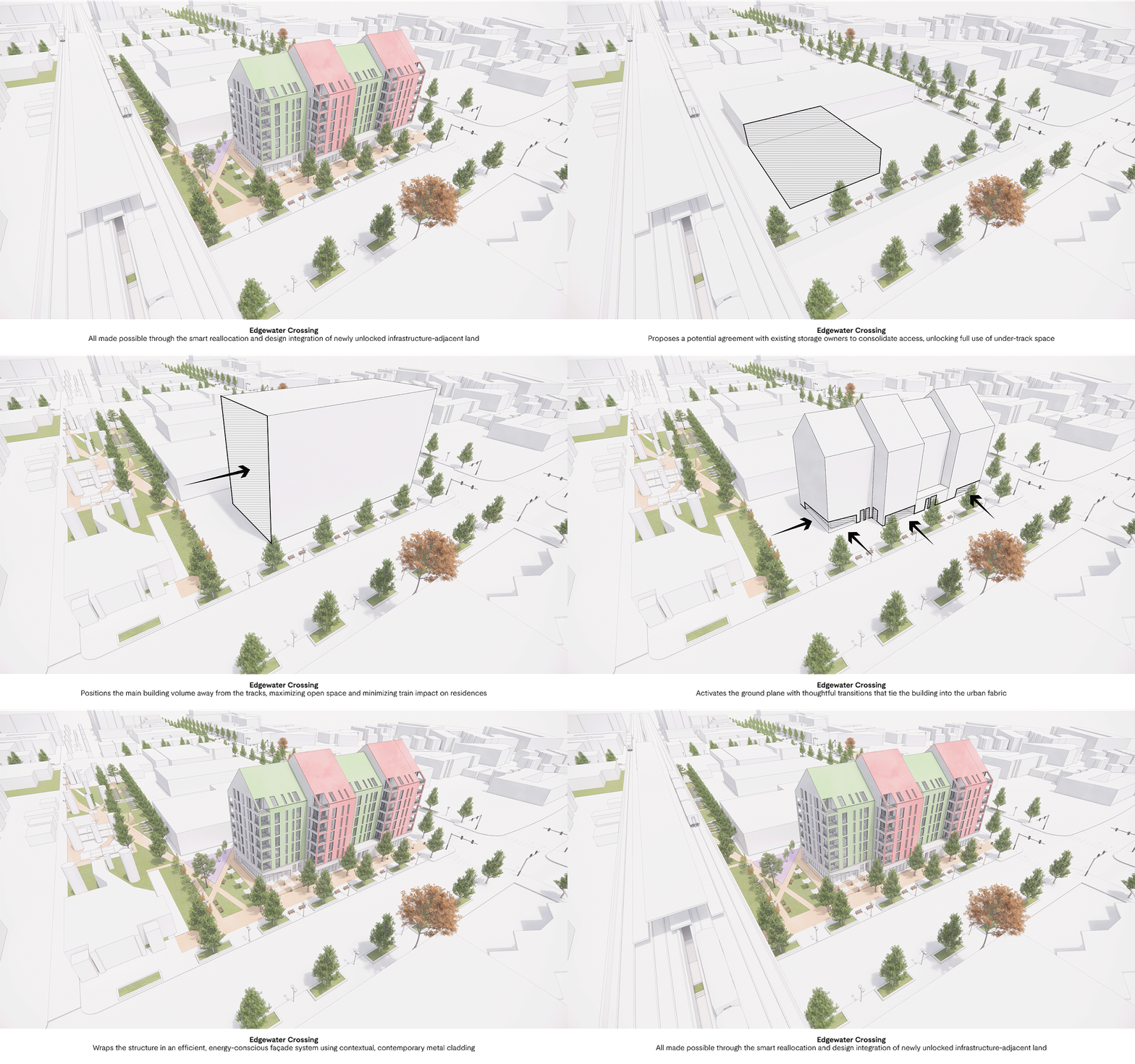
The project is conceived as a connective element within the broader Edgewater fabric, reinforcing continuity at the intersection of Broadway and Hollywood.
Rather than operating as an isolated building, Edgewater Crossings supports walkability, nearby retail, transit access, and community destinations. Slender building forms and articulated massing reduce perceived scale while maintaining a strong street presence that integrates comfortably within the surrounding neighborhood.
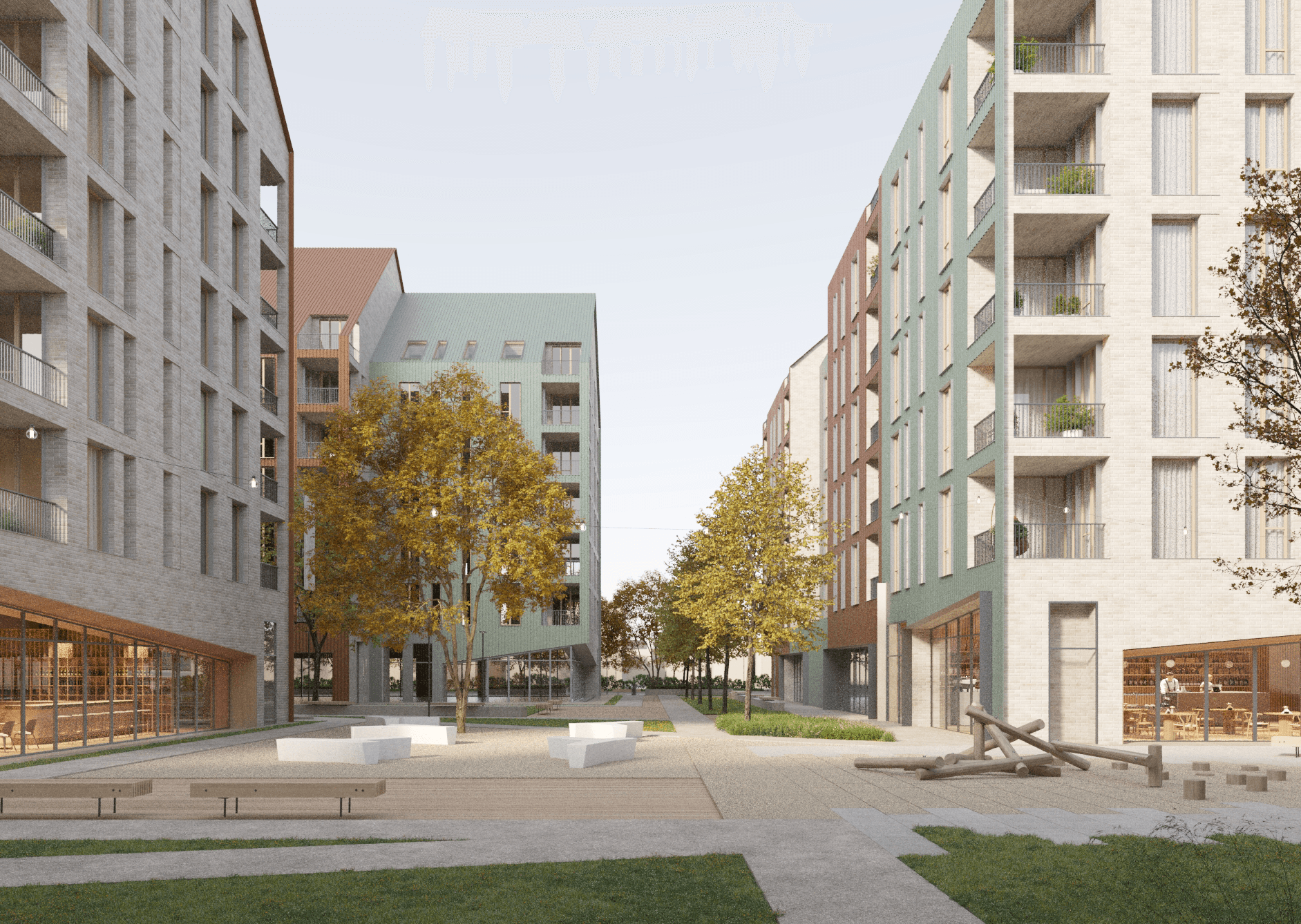
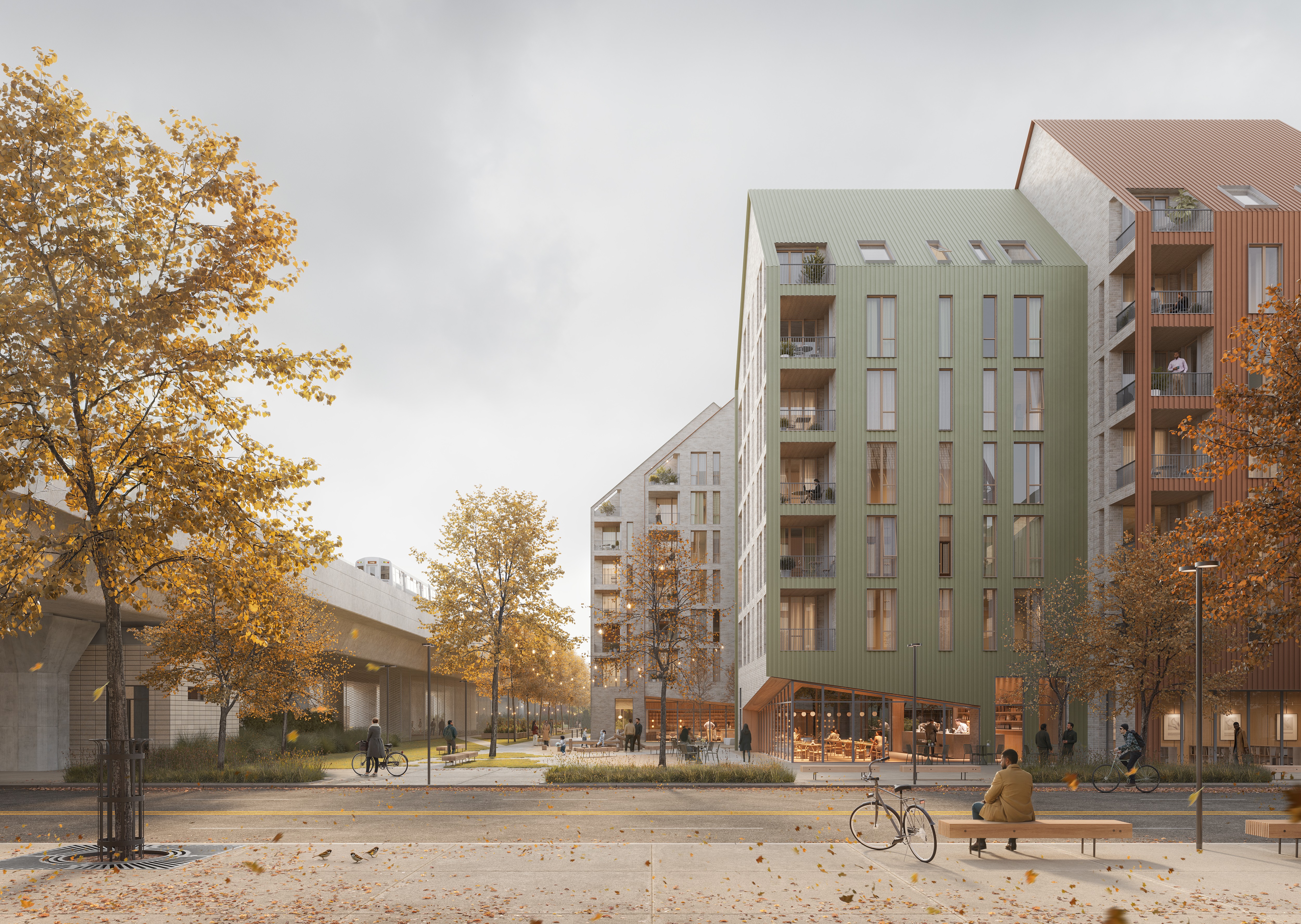
Ground-floor uses are organized to activate the street and support everyday activity.
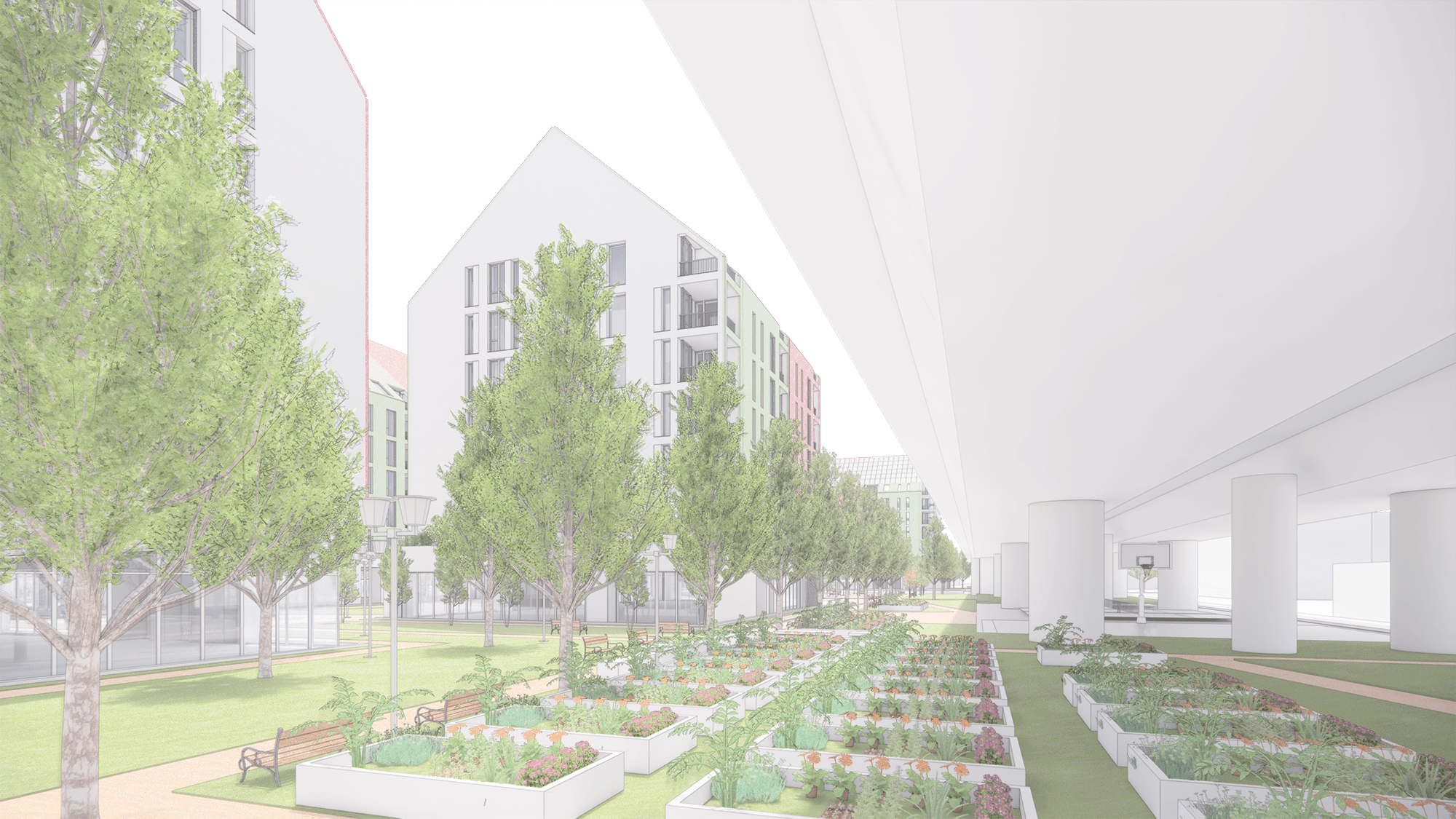
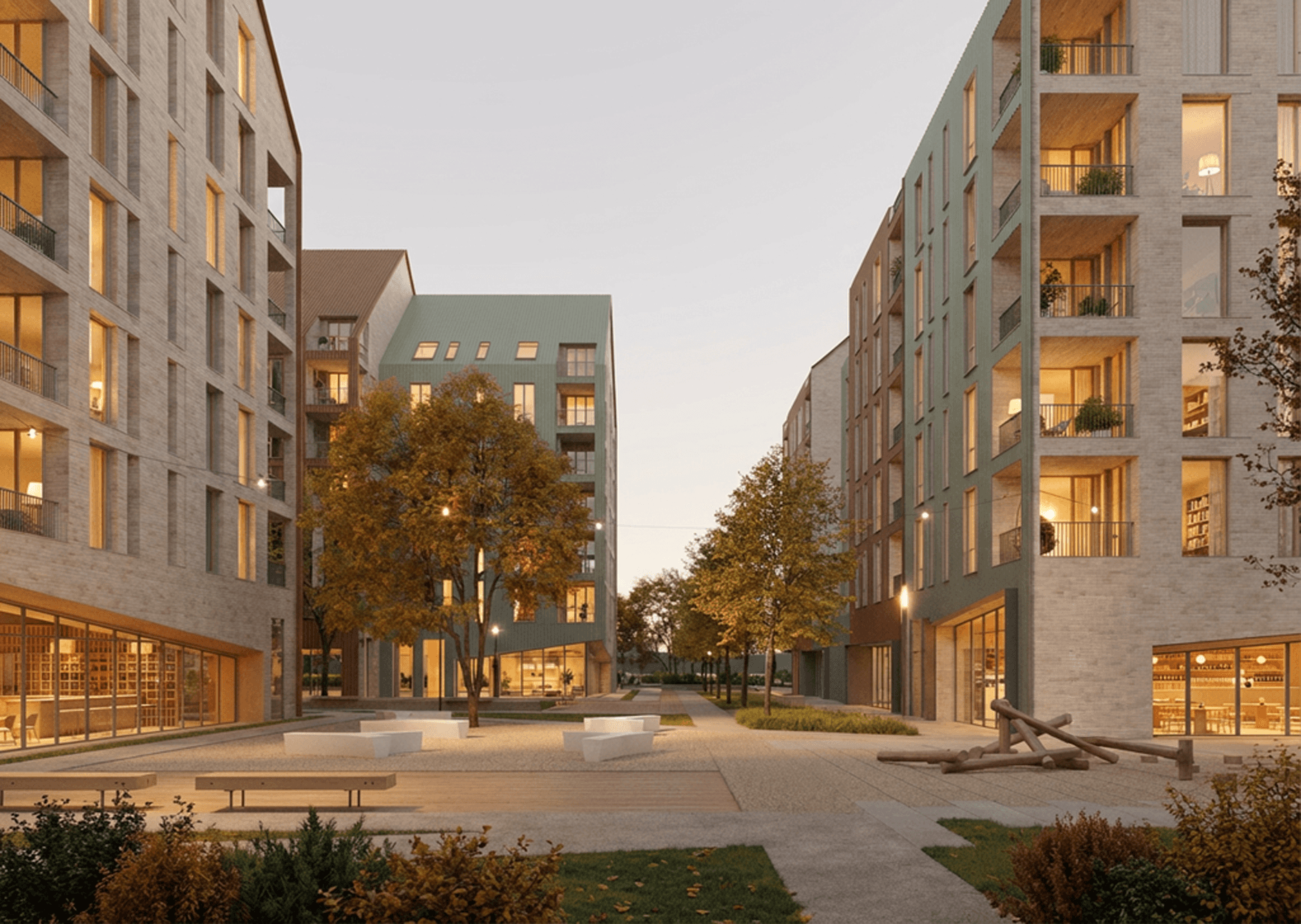
Transparent storefronts and residential lobby spaces create visual connection between interior programs and the public realm. Landscape elements, seating areas, and clear pedestrian paths soften the building edge and establish a welcoming threshold between public and private space, reinforcing the street as a social environment rather than a residual condition.
Open space is distributed strategically across the site to extend daily life beyond individual units.
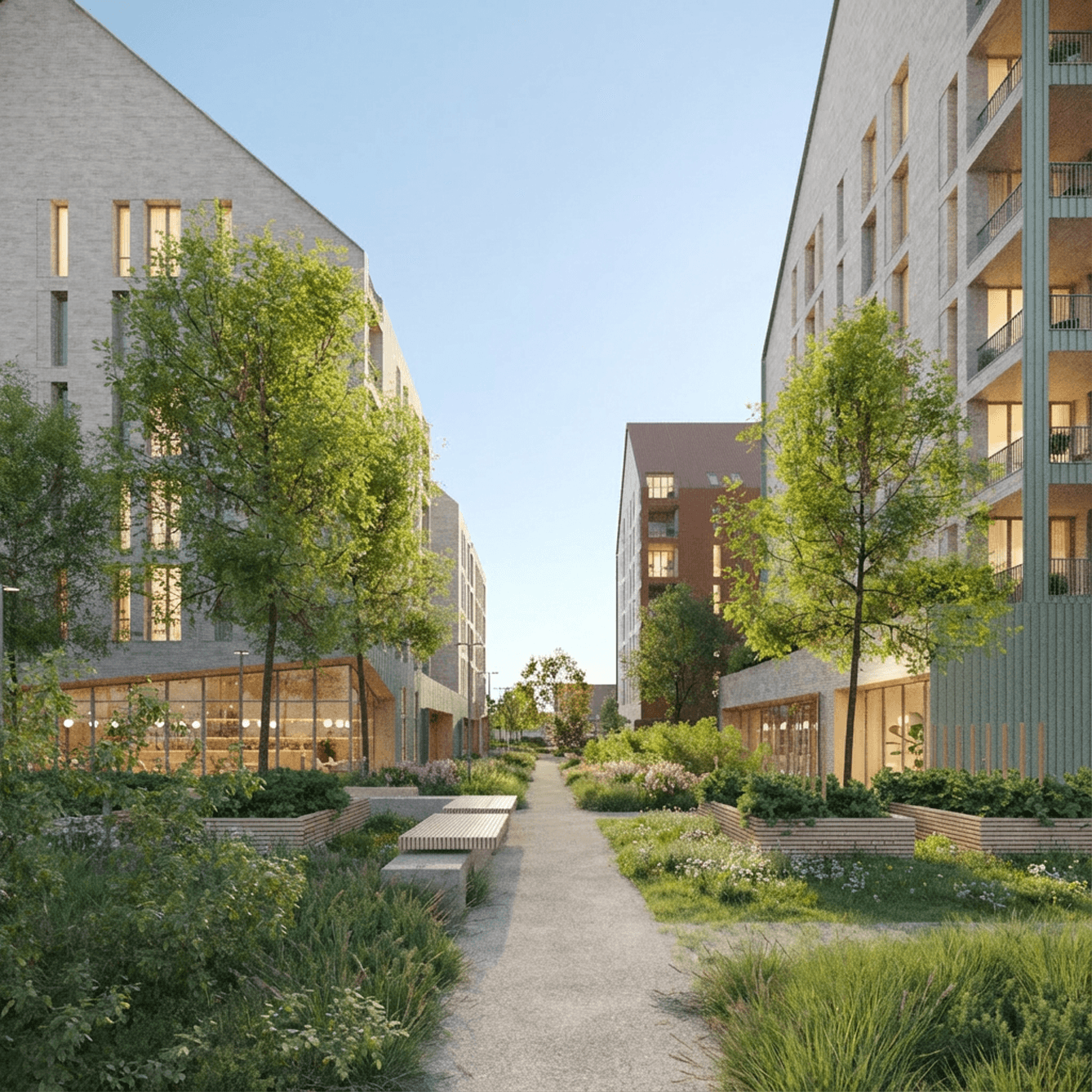
Landscaped courtyards, shared terraces, and pedestrian connections provide places for gathering and rest. These amenities are designed to remain flexible over time, supporting seasonal use, resident programming, and long-term adaptability while integrating stormwater management and planting strategies.
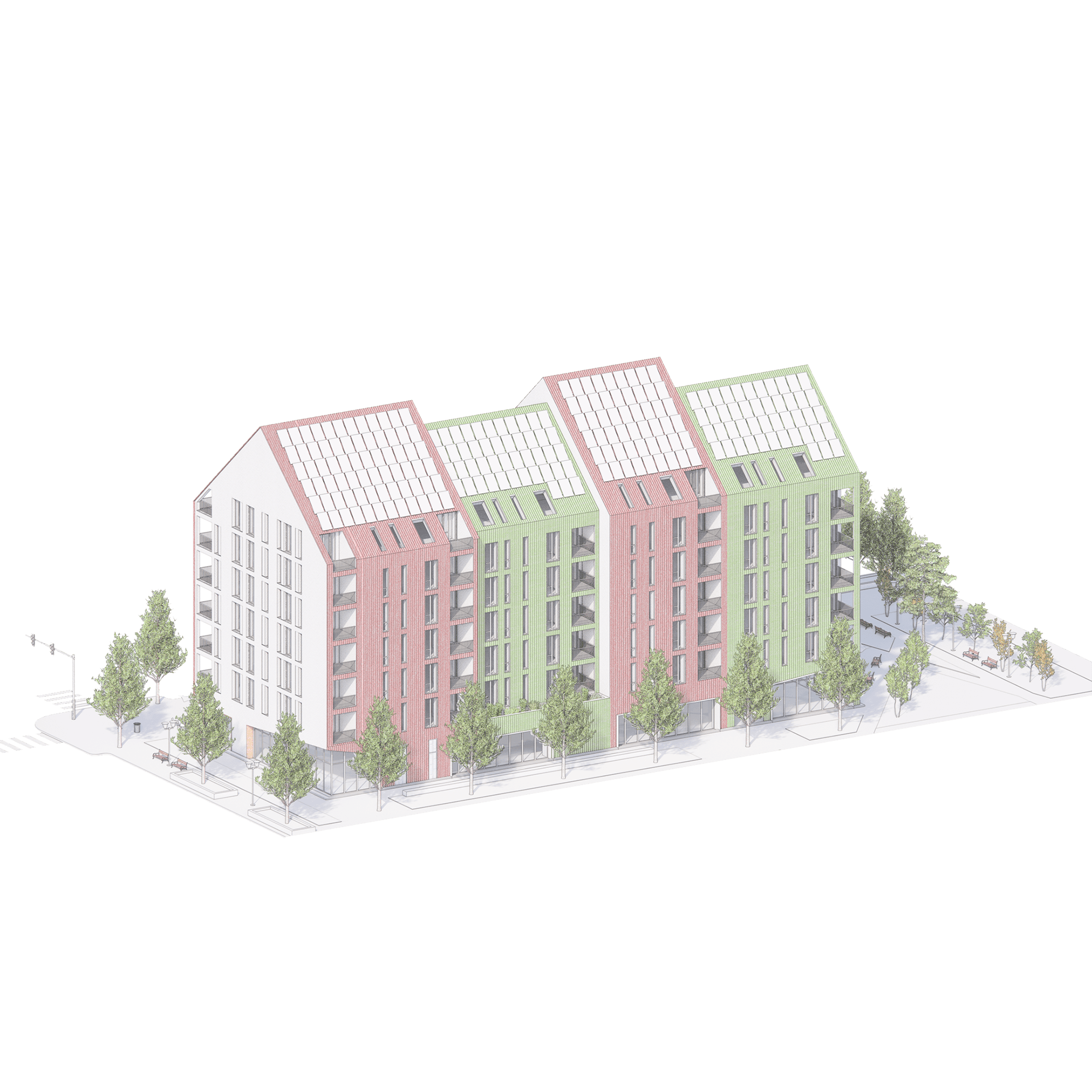
The building is organized around a clear and efficient residential framework that balances density with comfort.
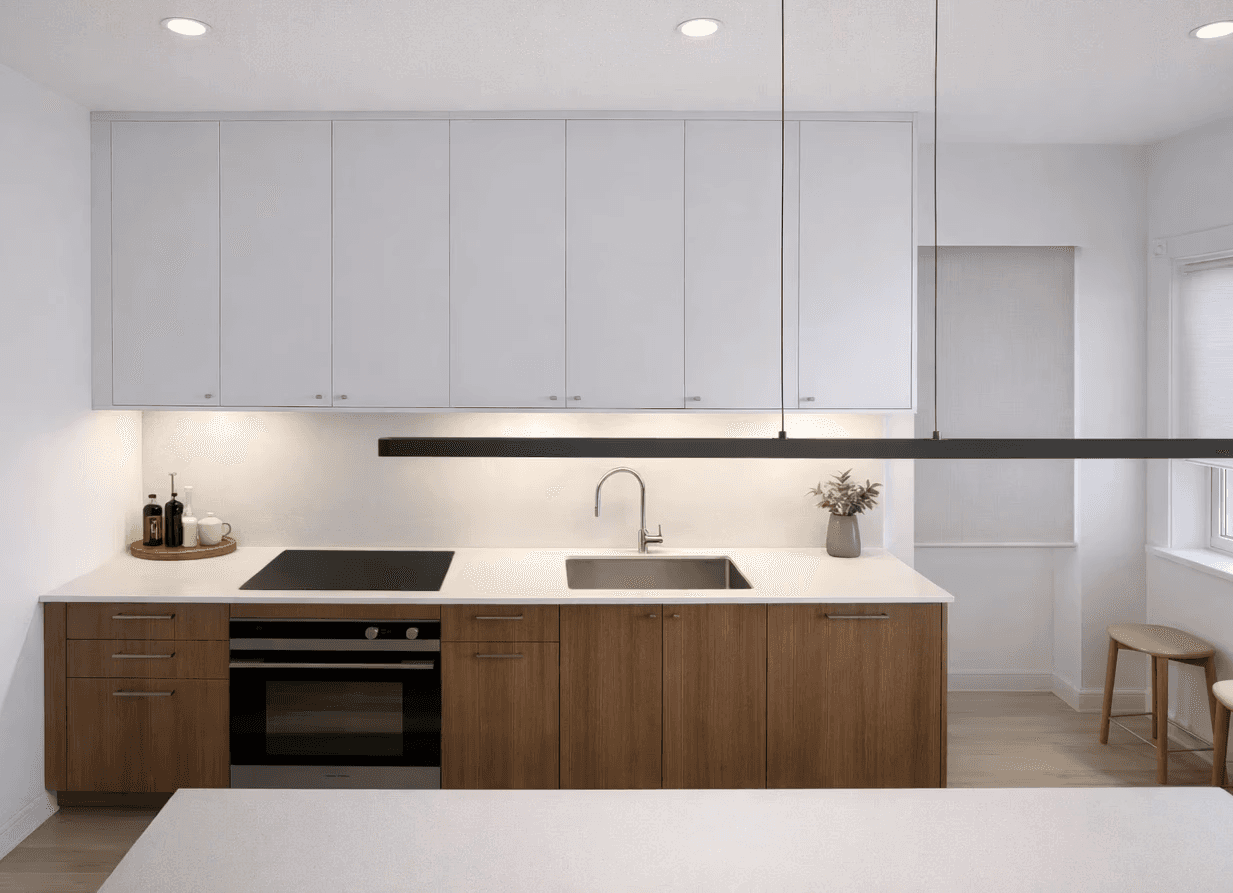
Residential levels maximize daylight, views, and cross ventilation while maintaining privacy and acoustic separation from street activity. A mix of unit types supports diverse households, with efficient circulation, clear zoning, and outdoor spaces that extend living areas toward the neighborhood.
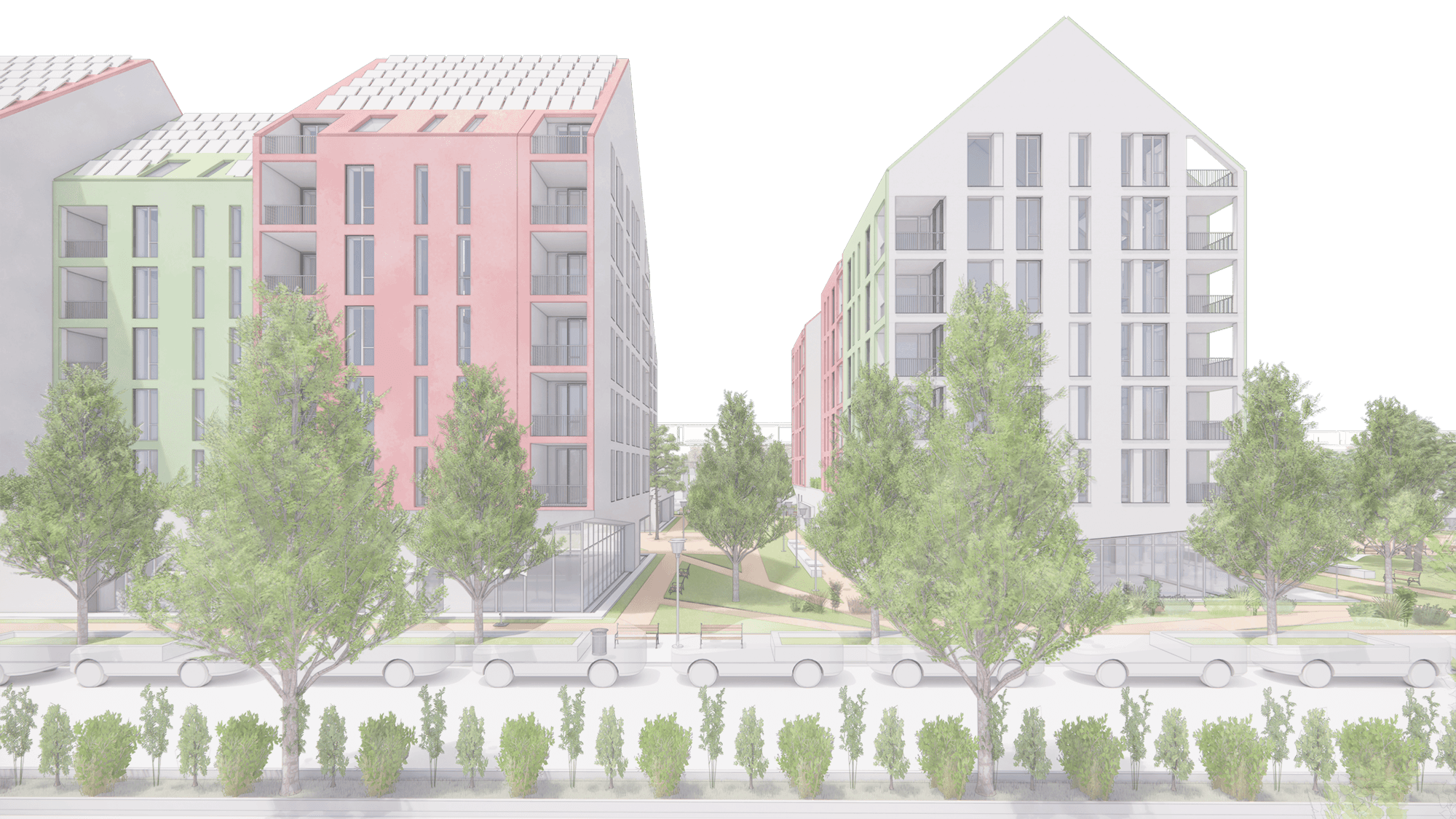
Material selection prioritizes durability, longevity, and low environmental impact.
High-performance facade systems, calibrated fenestration, and efficient insulation strategies reduce operational energy demand. Select use of warm interior finishes and mass timber elements enhances comfort and tactility in shared spaces, reinforcing a human-centered approach to sustainability.
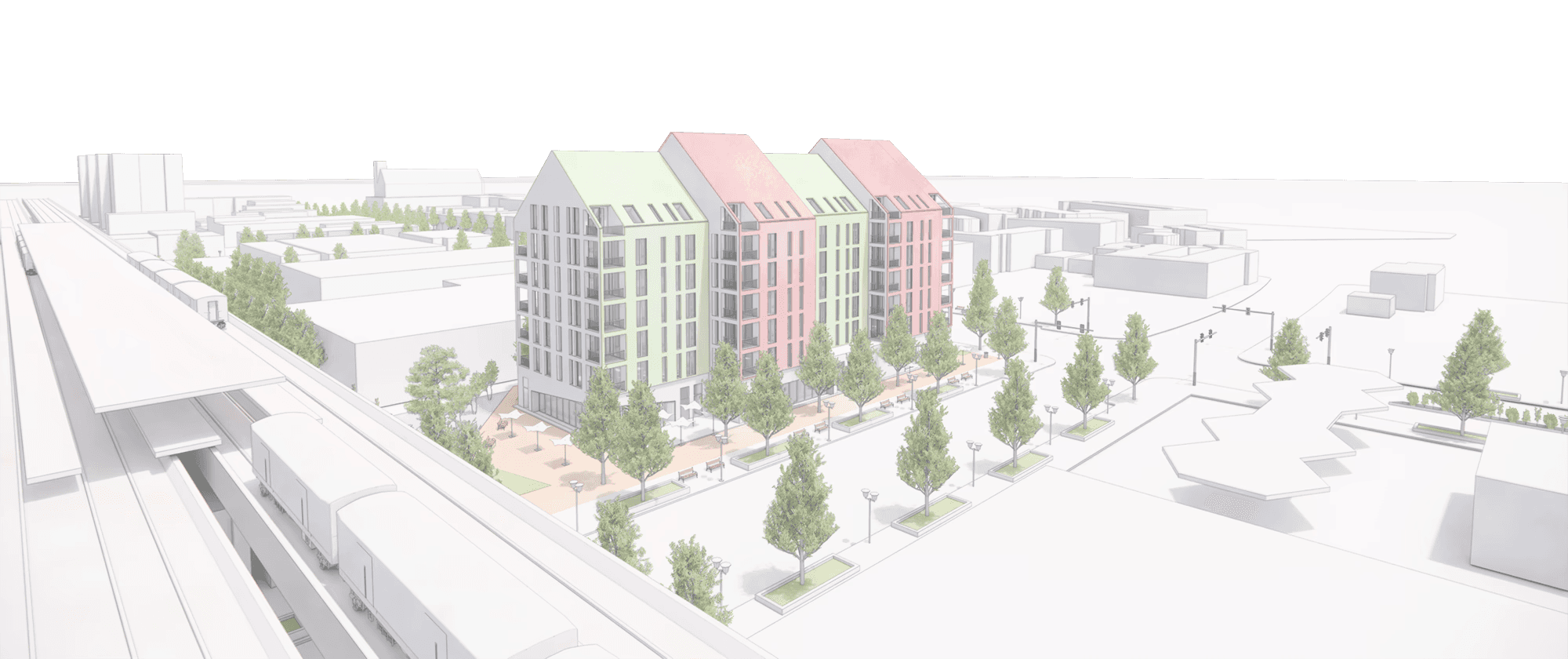
Designing within a dense, established neighborhood required careful calibration of scale, massing, and program.
An efficient footprint, an active ground floor, and adaptable residential layouts informed a disciplined architectural language focused on clarity and proportion. These constraints shaped a resilient building that delivers long-term value without reliance on excess form or gesture.
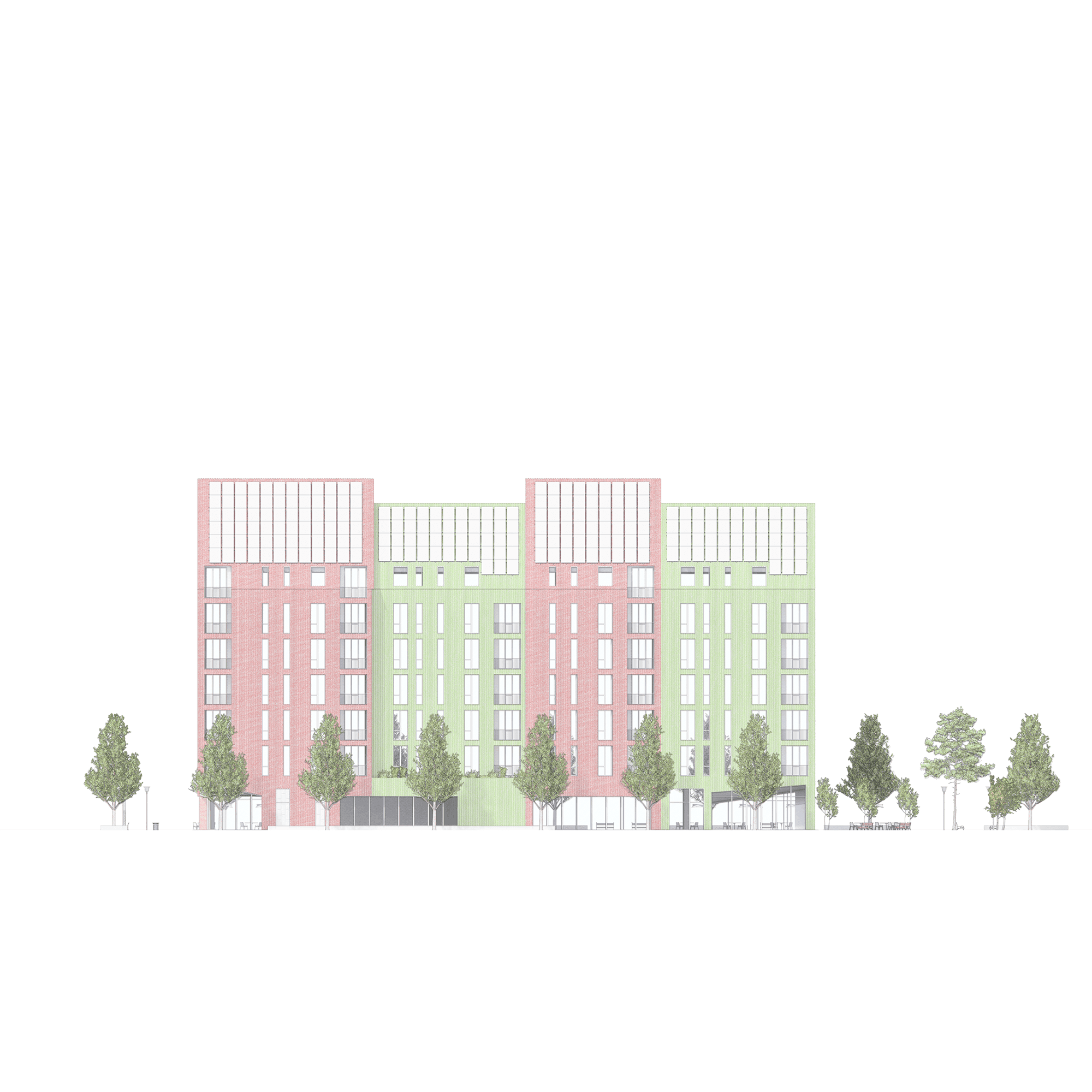
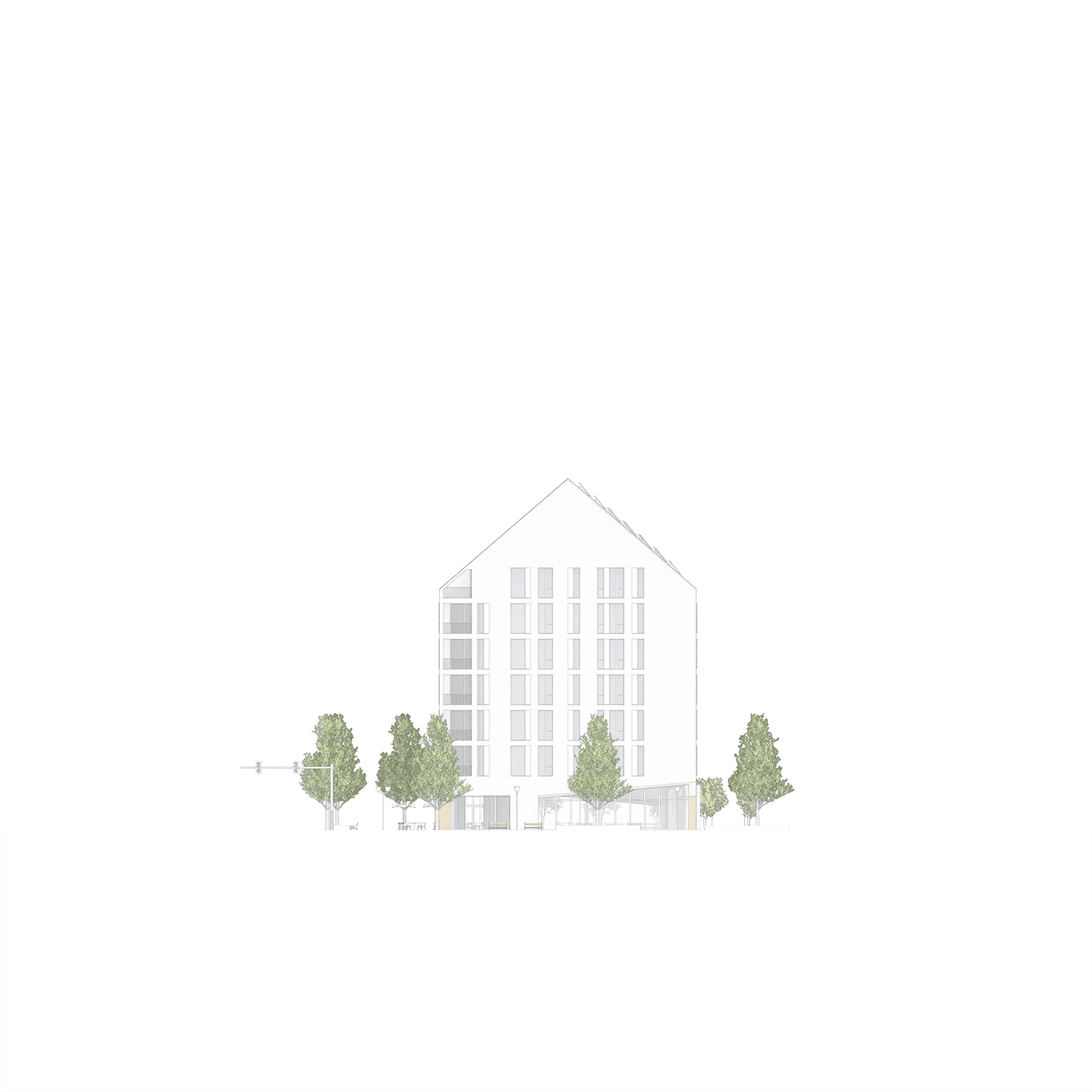
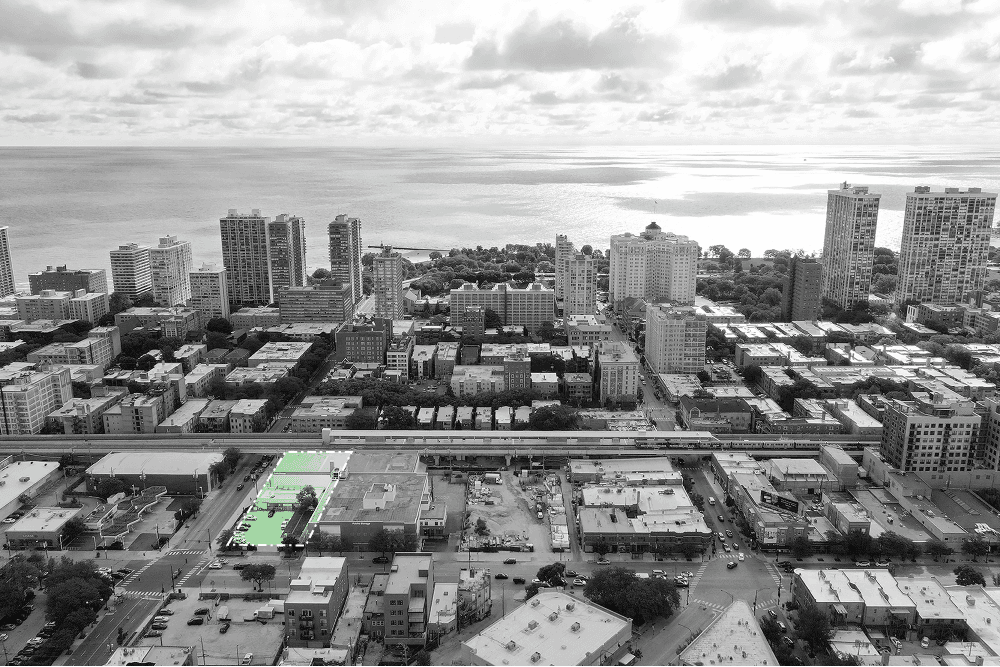
Edgewater Crossings functions as a connective project within a rapidly evolving corridor shaped by transit access and neighborhood-scale activity.
Located at the intersection of Broadway and Hollywood, the project sits at a convergence of daily movement patterns, neighborhood retail activity, and long-term growth pressures. This position reinforces walkability and continuity within Edgewater as the corridor continues to evolve.
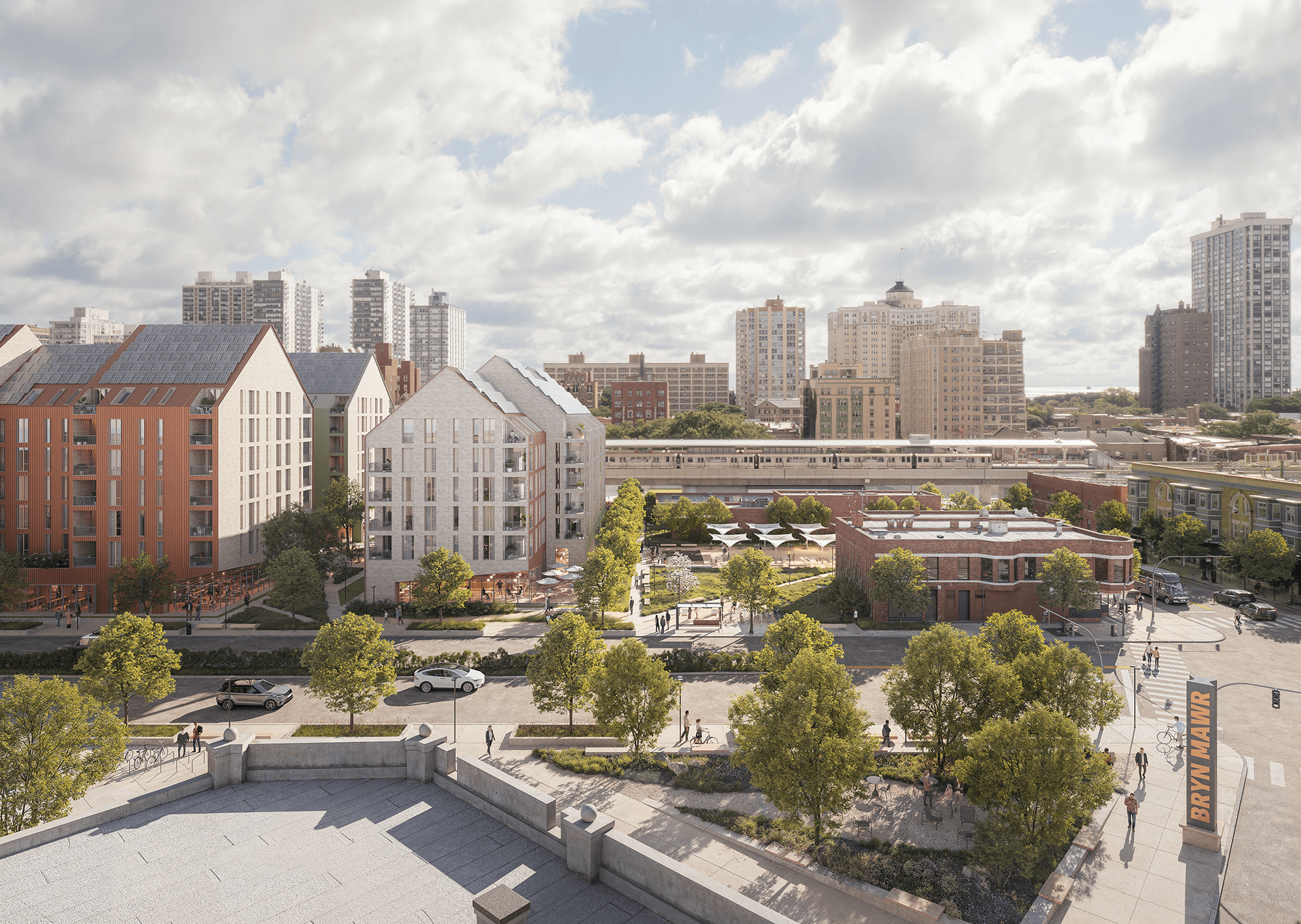
Edgewater Crossings demonstrates how thoughtful residential design can deliver density while reinforcing neighborhood character.
By aligning architectural clarity with constructability, livability, and long-term performance, the project reflects OAO’s approach to urban residential development. Ground activation, open space, and efficient planning work together to support a resilient and context-responsive model for future growth.
Related Research.
This project is informed by applied research in transit-oriented development, supporting housing density near transit while maintaining neighborhood continuity.

Next projects.
(2016-25©)