Edgewater Framework
A Transit-Oriented Vision for the Bryn Mawr–Broadway Corridor
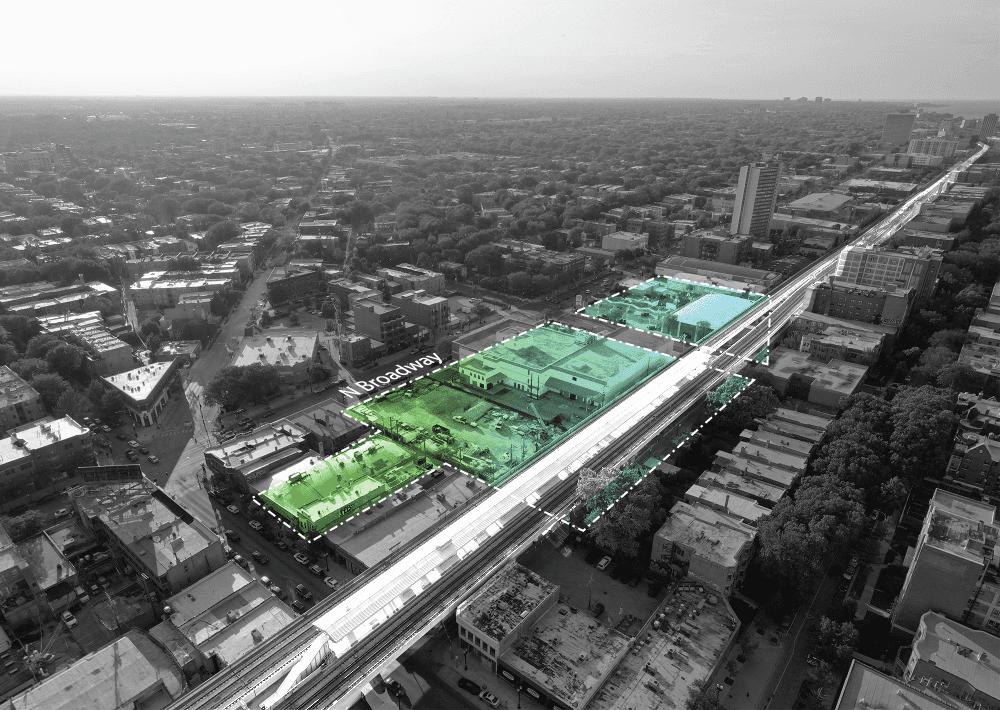
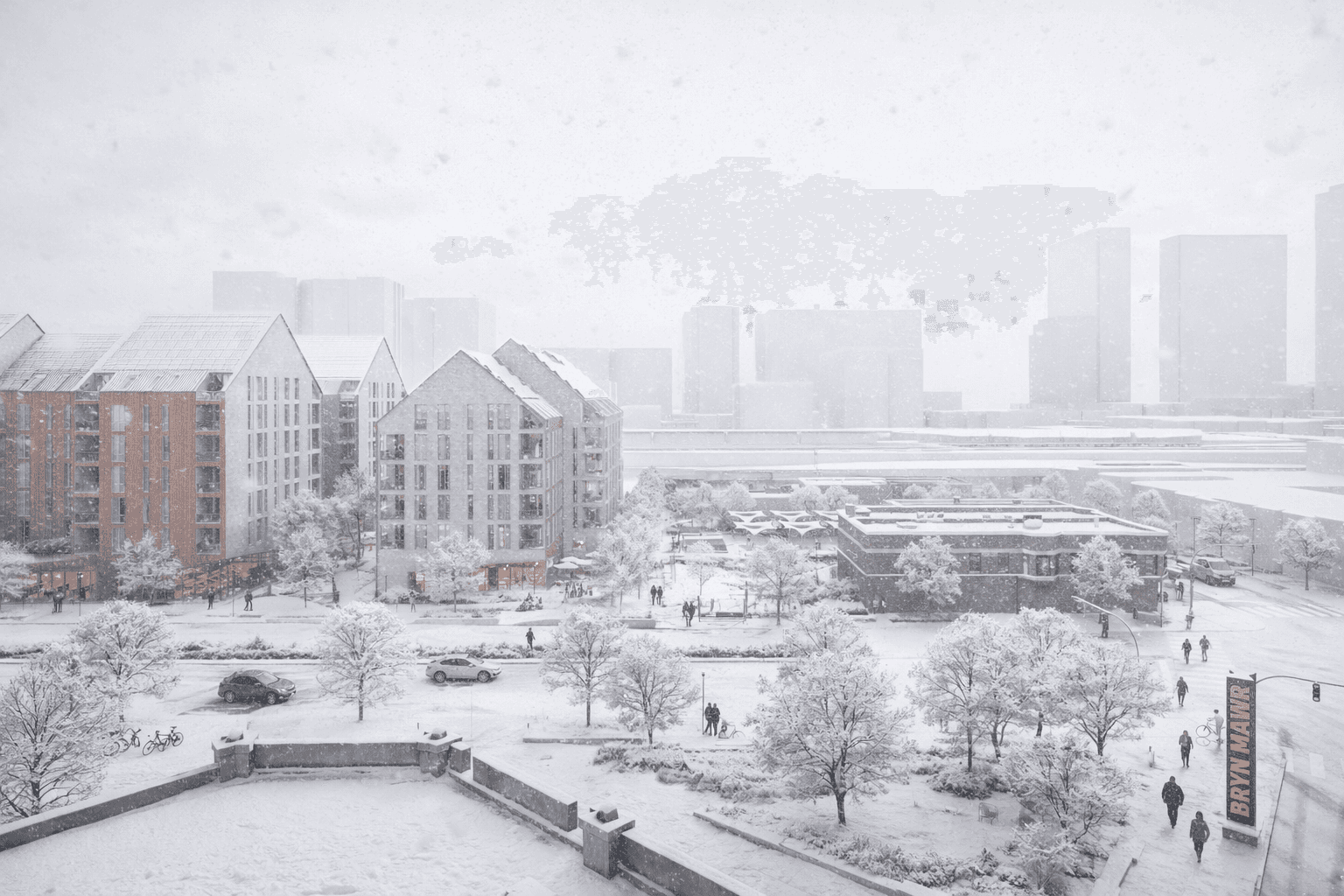
Stretching across Bryn Mawr and Broadway, the study area sits at the intersection of strong transit access, neighborhood-scale commercial streets, and increasing development pressure. Recent CTA reconstruction has opened new spatial opportunities beneath and alongside the tracks, creating rare contiguous public land within a dense urban fabric.
At the same time, fragmented ownership, narrow parcels, and zoning constraints have historically limited coordinated investment. Rather than treating each site independently, the framework views Edgewater as a connected system shaped by movement, public life, and long-term stewardship.
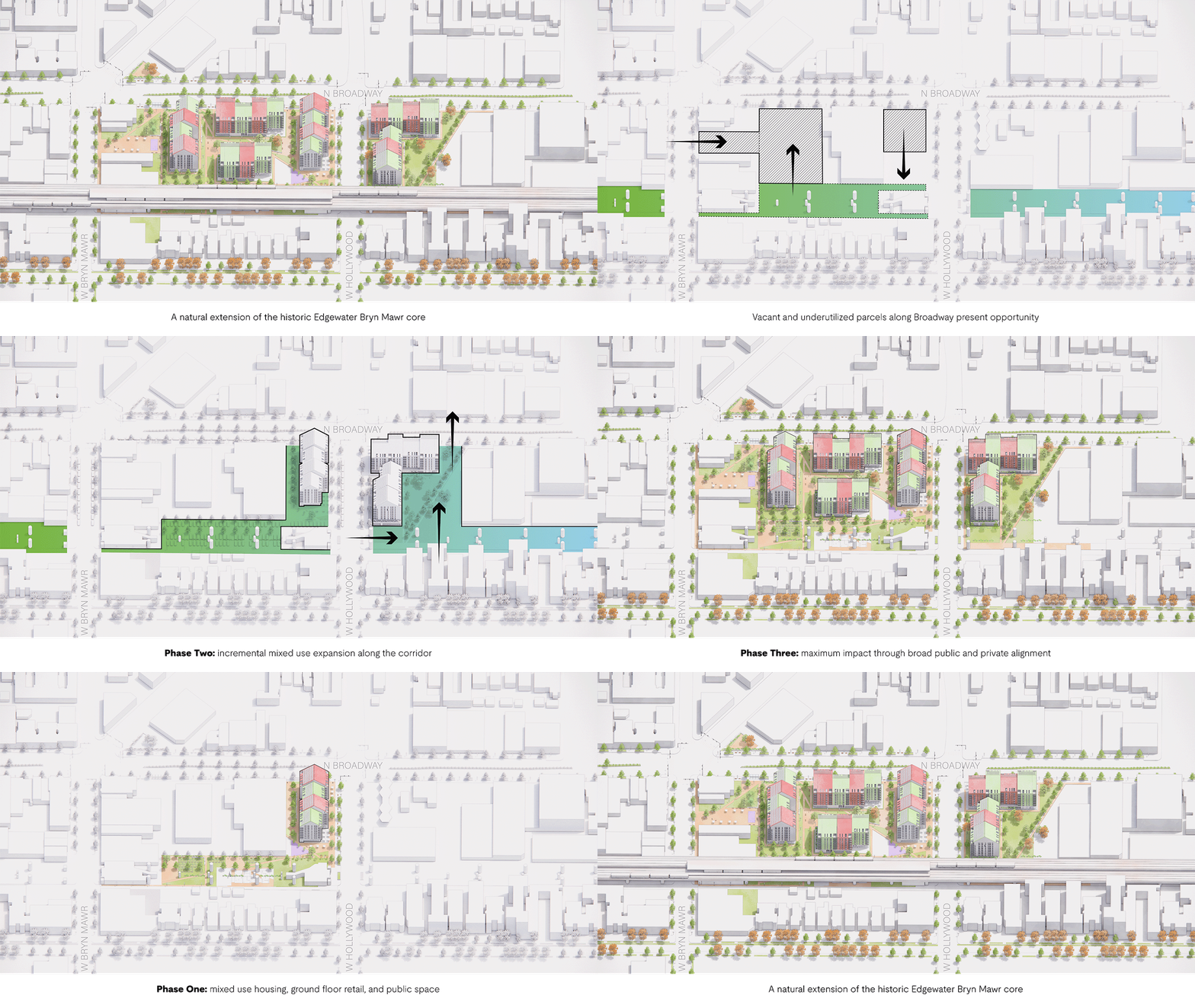
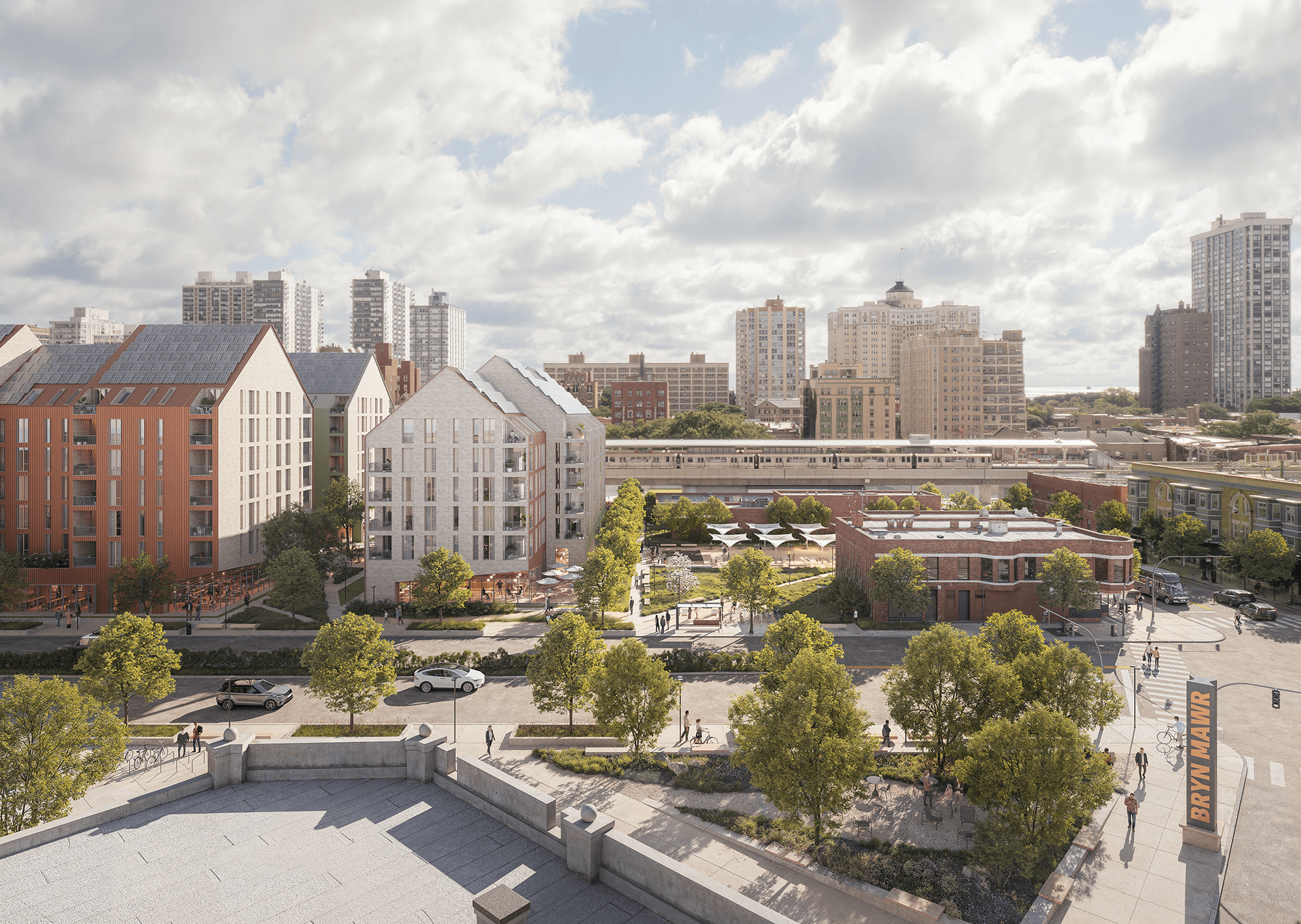
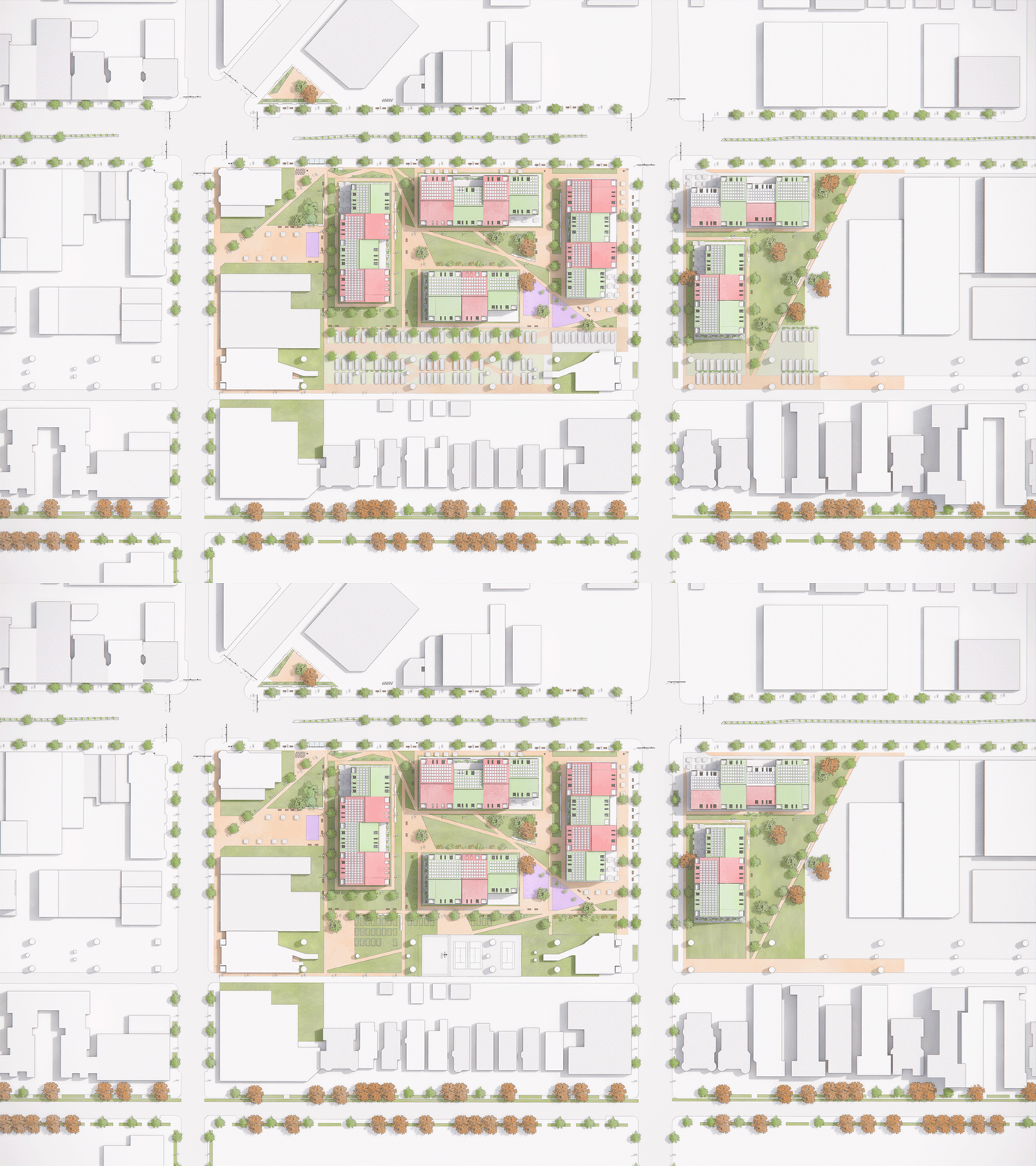
The Edgewater Framework is not a fixed master plan. It does not prescribe specific buildings or timelines. Instead, it establishes a clear and adaptable structure to guide future development decisions while remaining responsive to market conditions and community priorities.
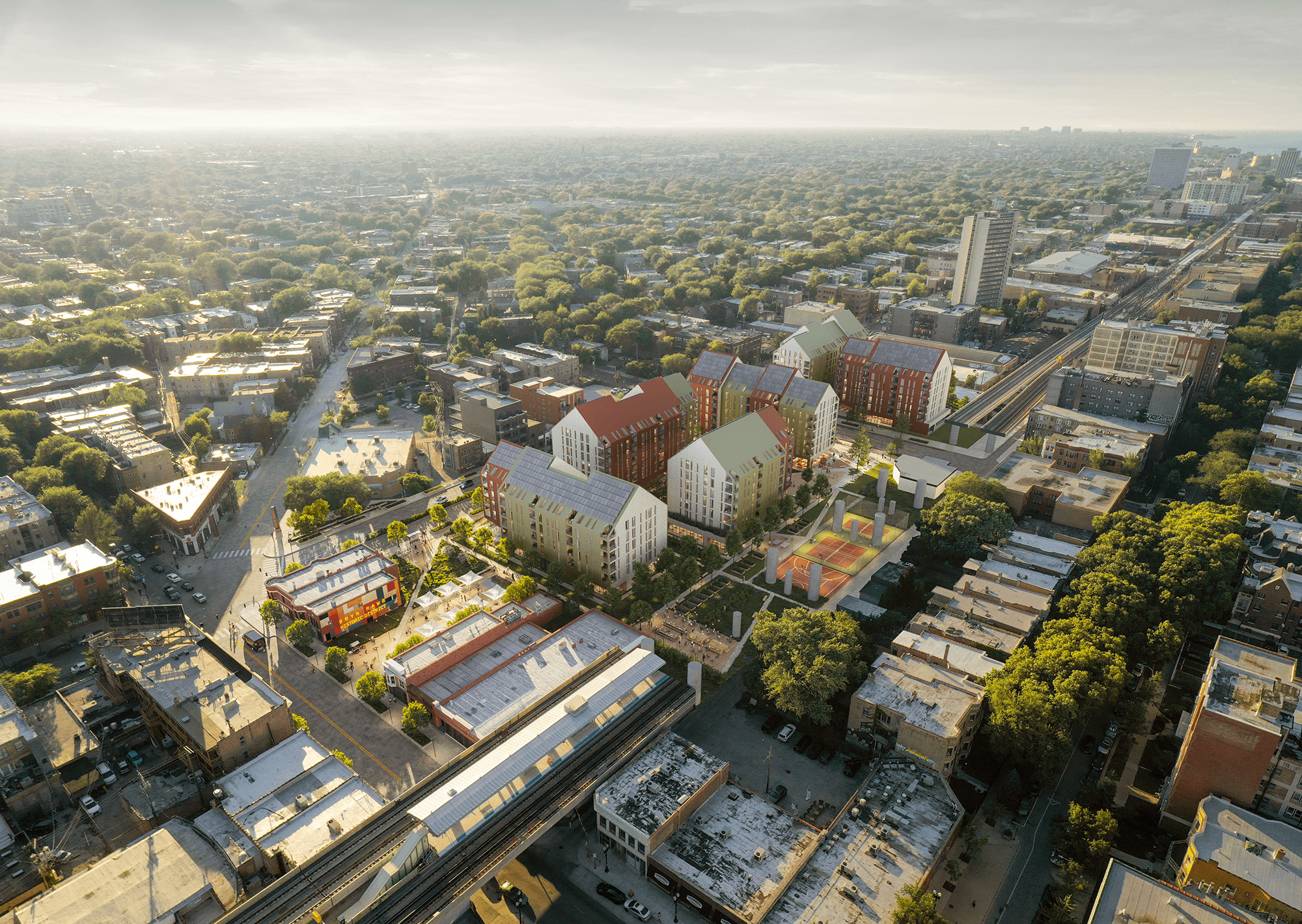
The framework aligns public realm improvements, private development, and transit investment so individual projects can advance independently while contributing to a coherent district-wide vision.
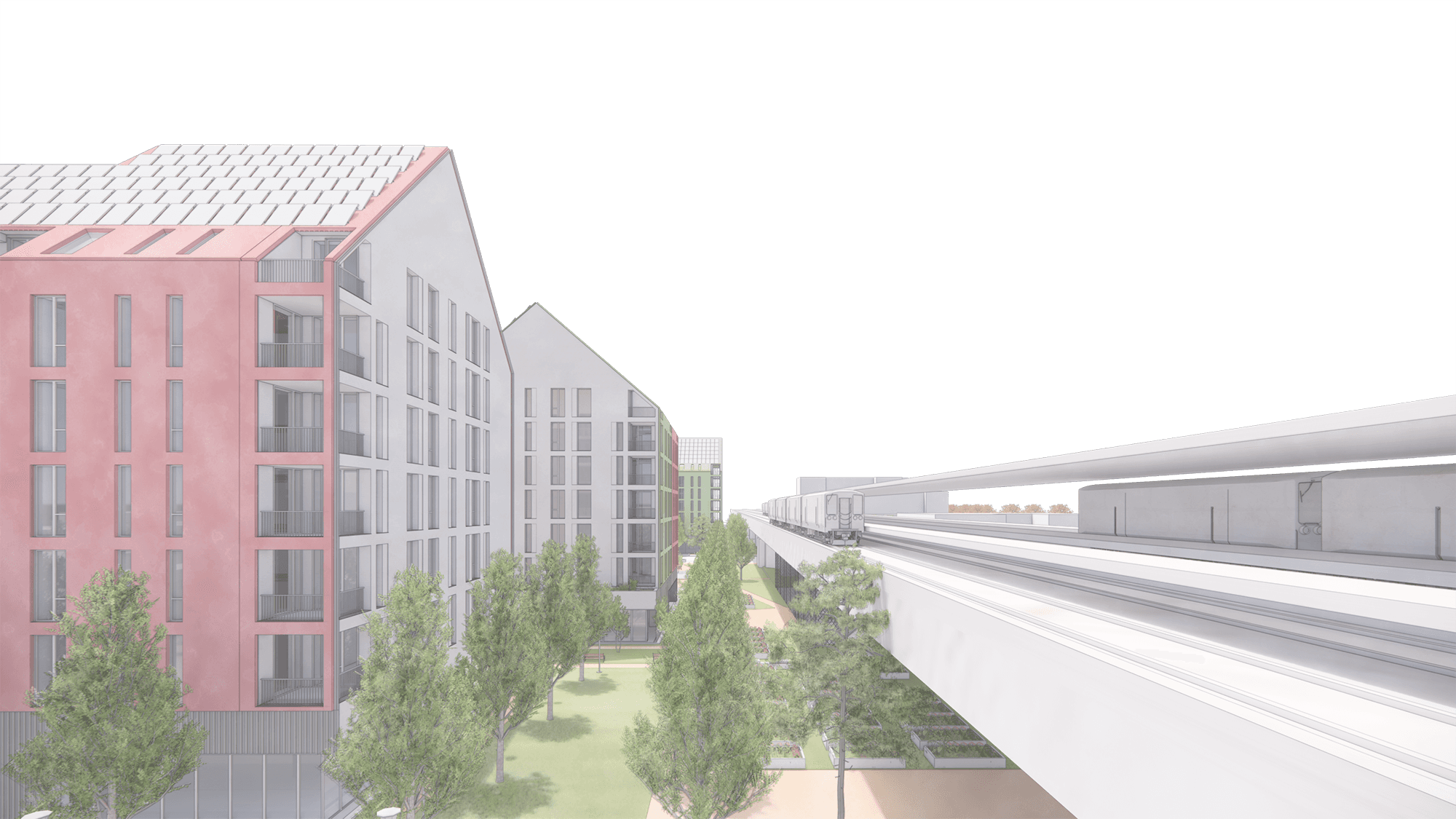
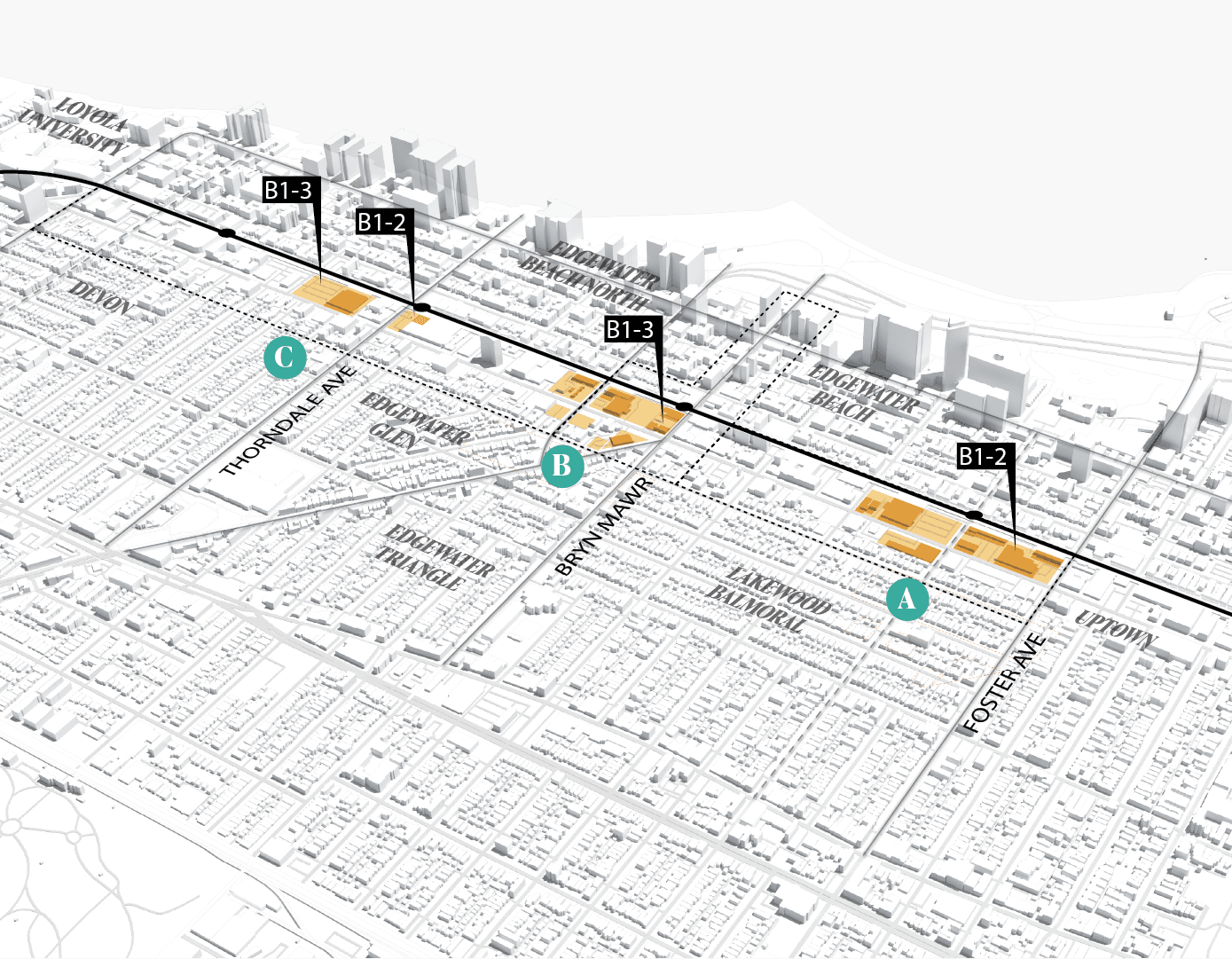
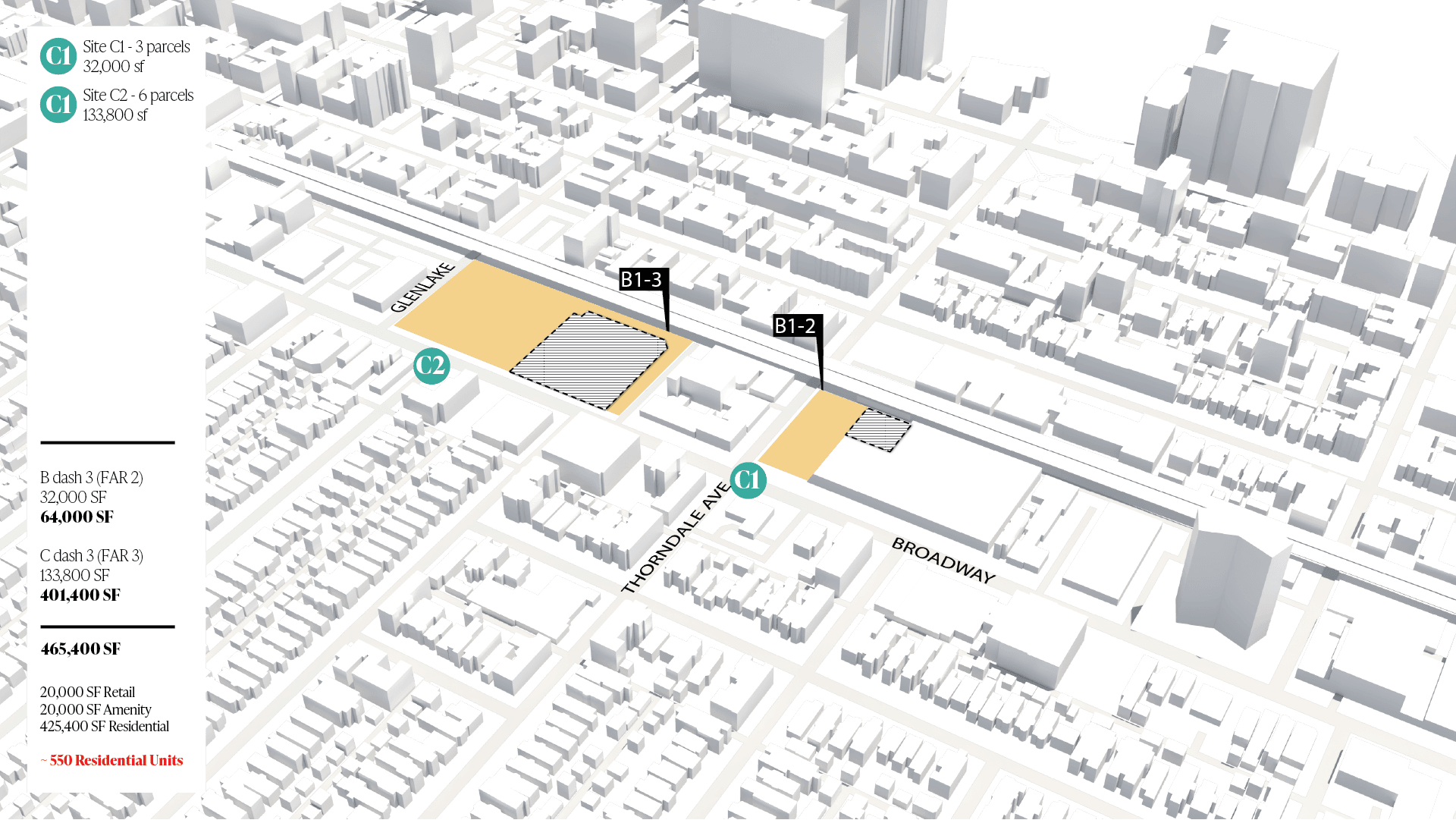
The framework identifies strategic opportunity zones along the corridor where public space, development potential, and transit access converge. These areas include station adjacencies, reclaimed under-track zones, and sites capable of supporting mixed-use density without overwhelming surrounding neighborhoods.
By concentrating investment at these locations, the framework strengthens connectivity, supports local businesses, and establishes visible anchors that reinforce the corridor’s identity.
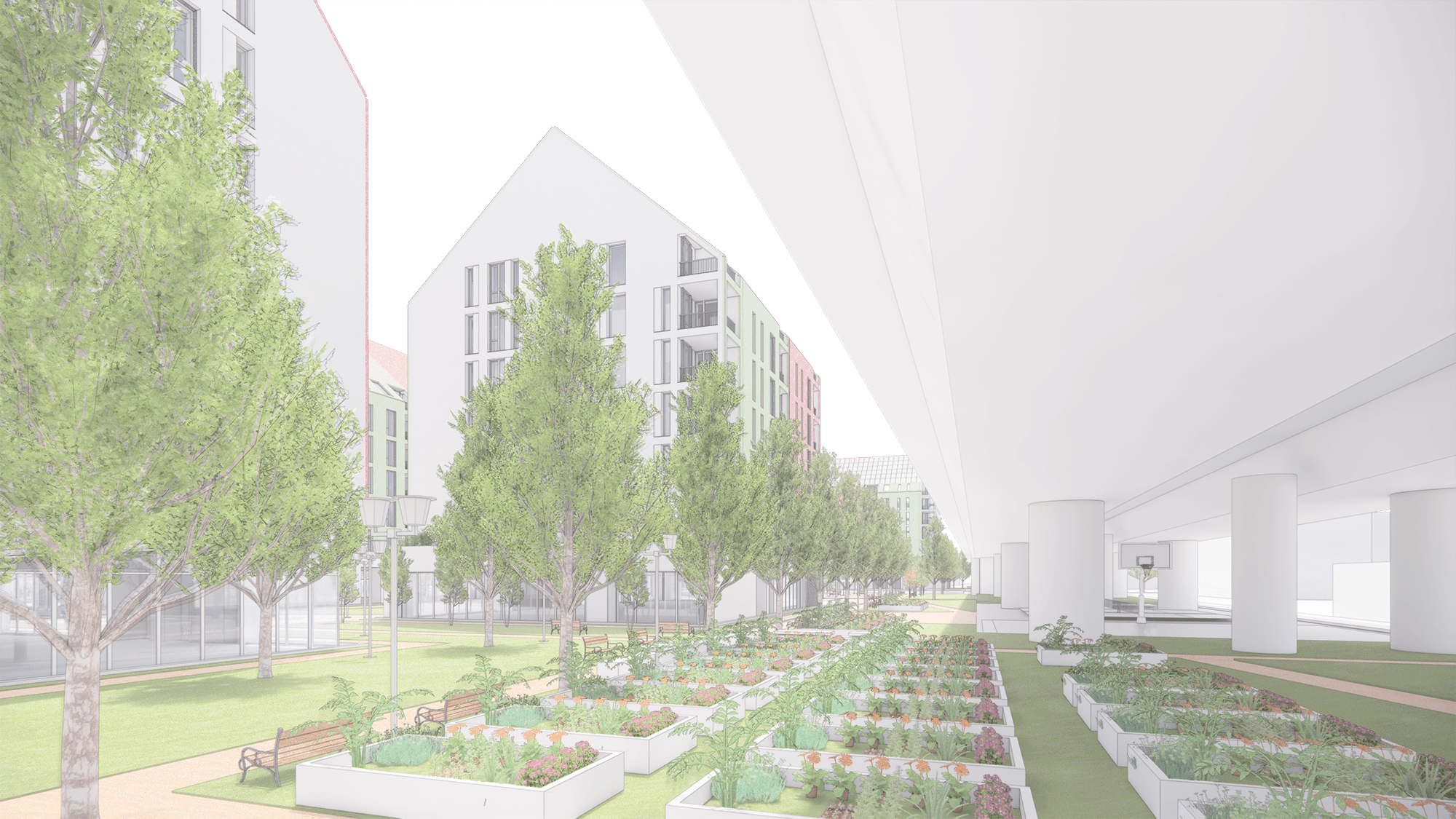
Landscape and environmental systems are treated as essential public infrastructure. Planting networks, bioswales, permeable surfaces, and green roofs are integrated into streets, plazas, and development sites to manage stormwater, reduce heat, and improve air quality.
Rather than functioning as hidden utilities, these systems are designed as visible elements of daily life that reinforce environmental stewardship while enhancing comfort and character across the corridor.
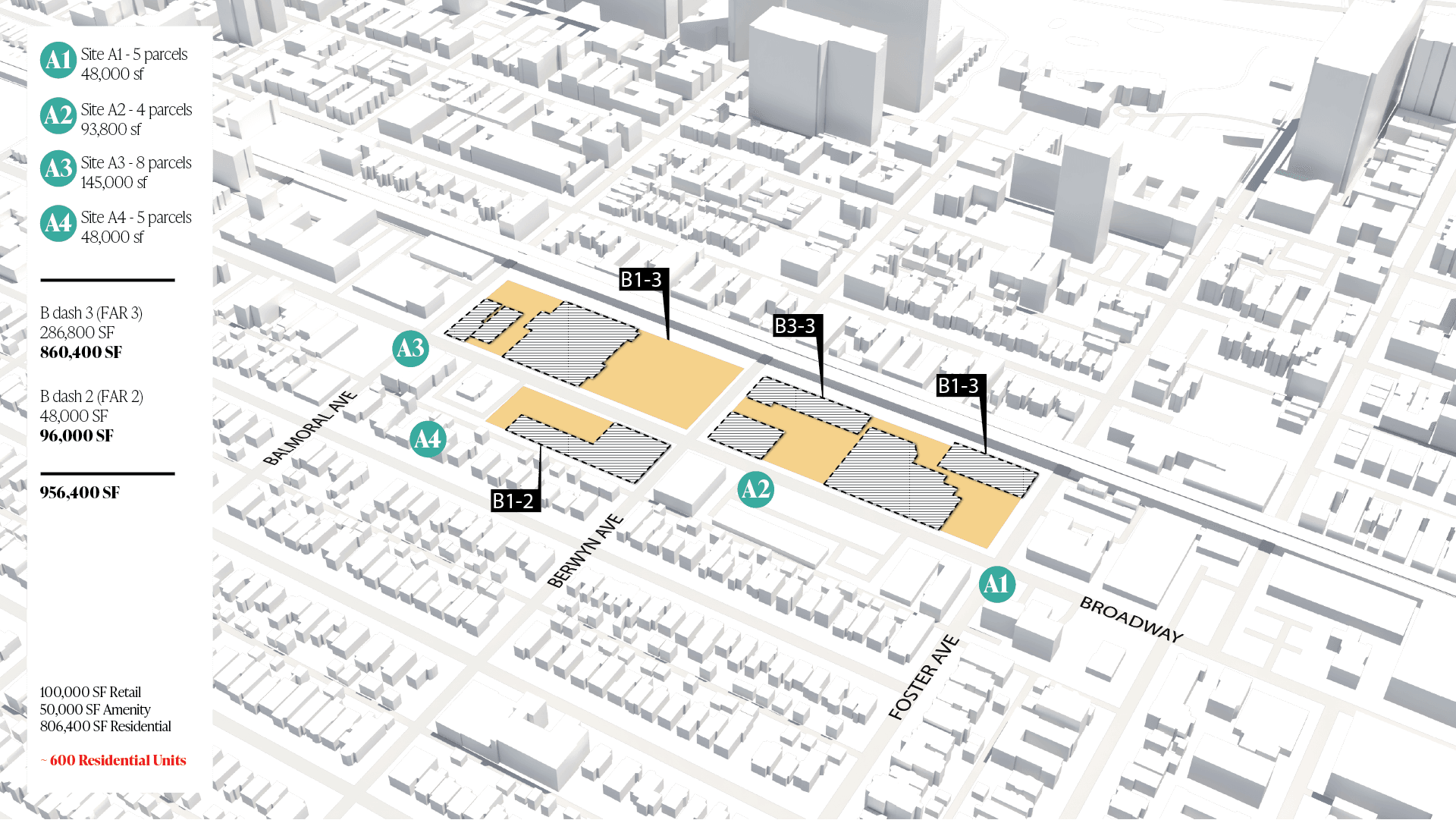
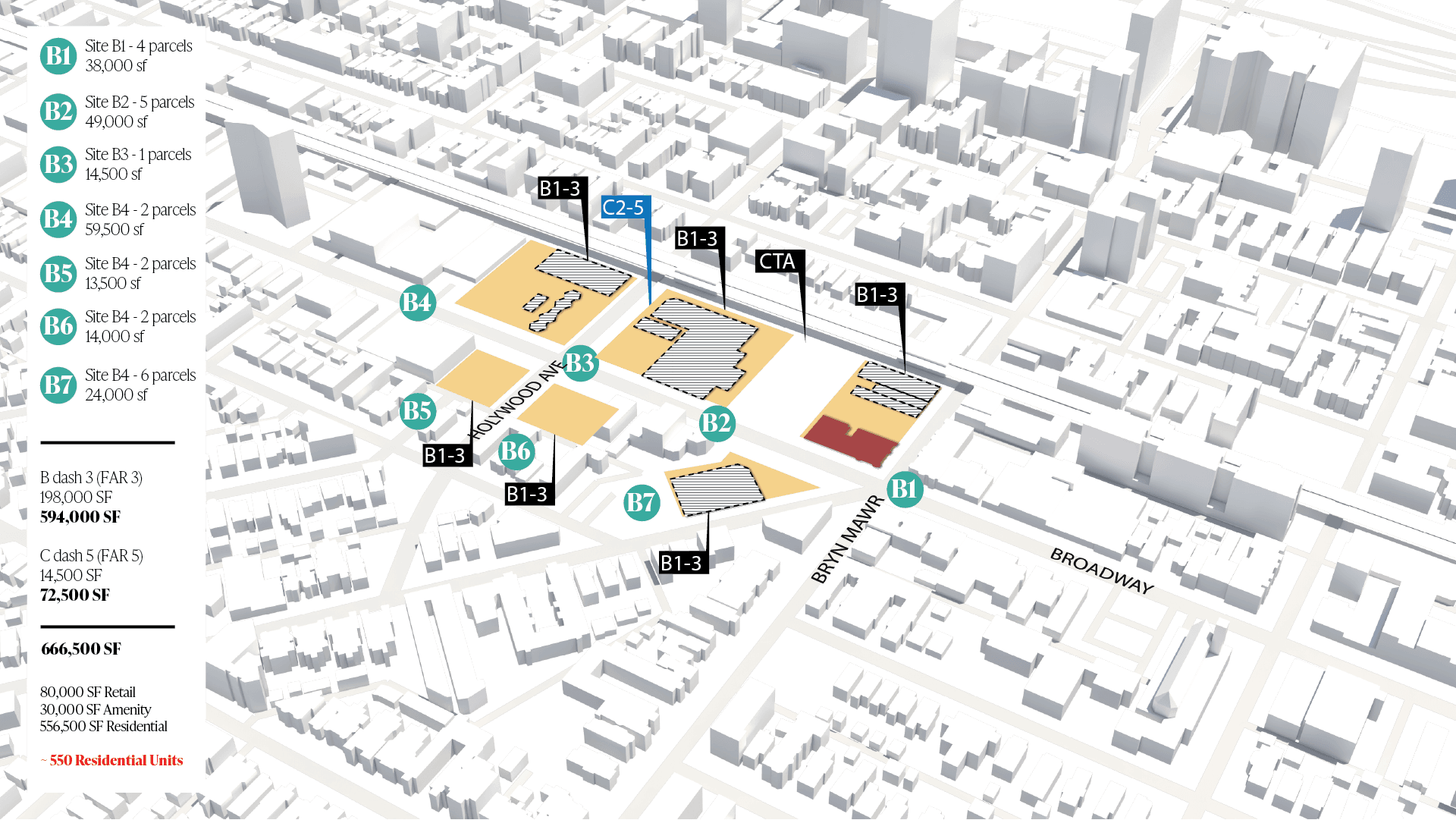
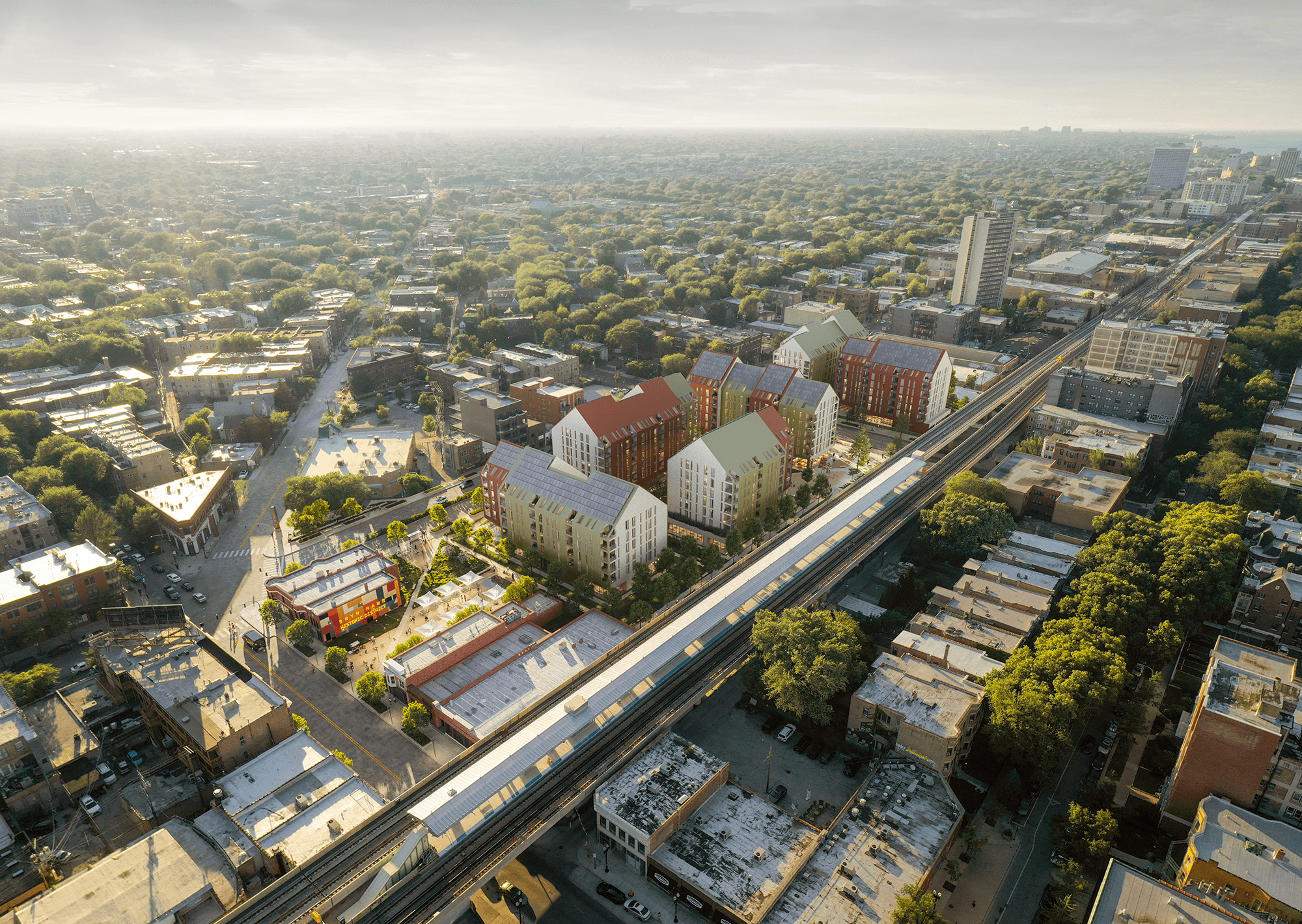
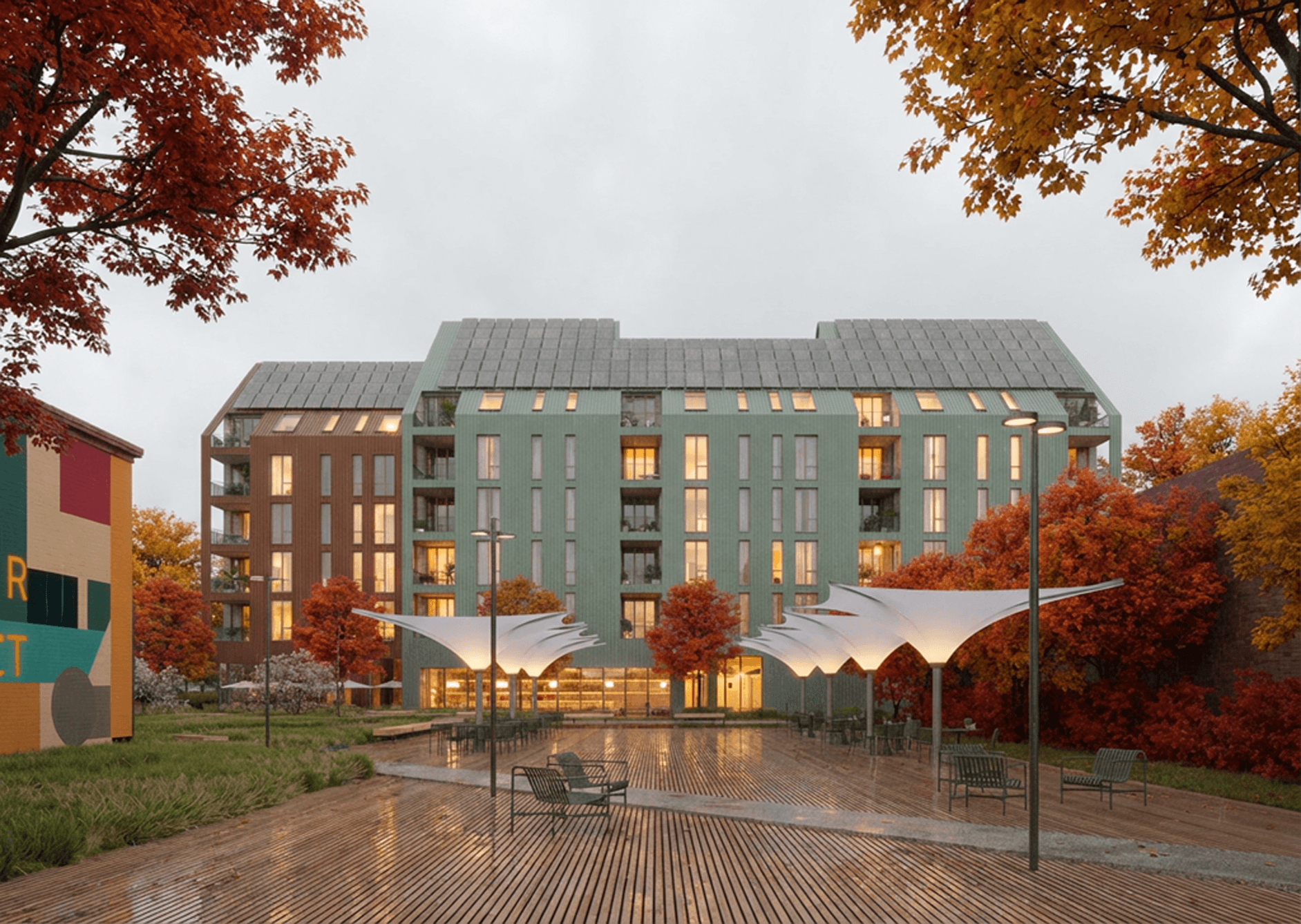
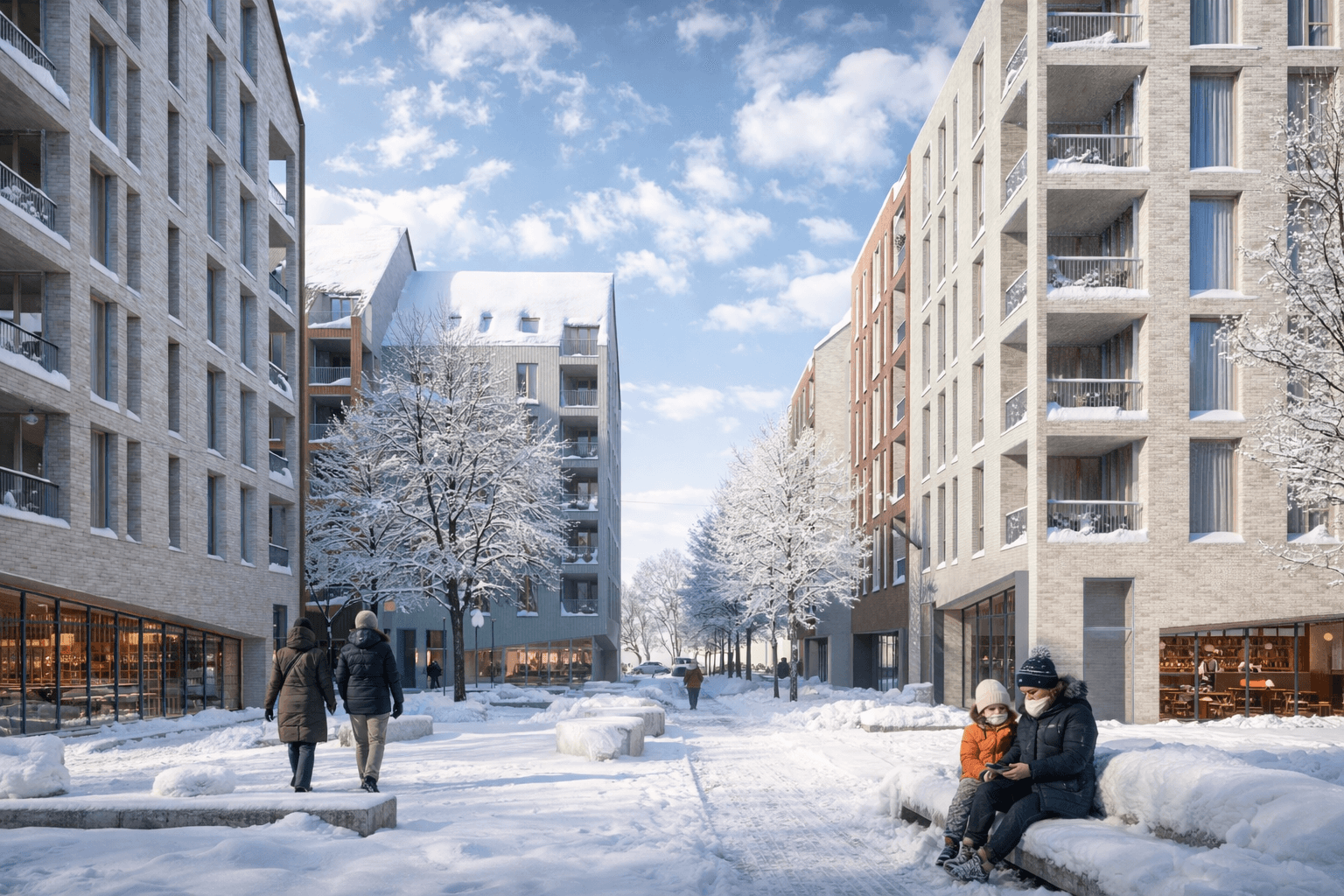
The framework embraces density that supports transit use while remaining comfortable to navigate on foot. Slender building volumes, varied rooflines, and carefully proportioned street edges maintain daylight, openness, and a human-scaled public realm.
Density is positioned as a tool to support housing supply, affordability, and corridor vitality rather than an end in itself.
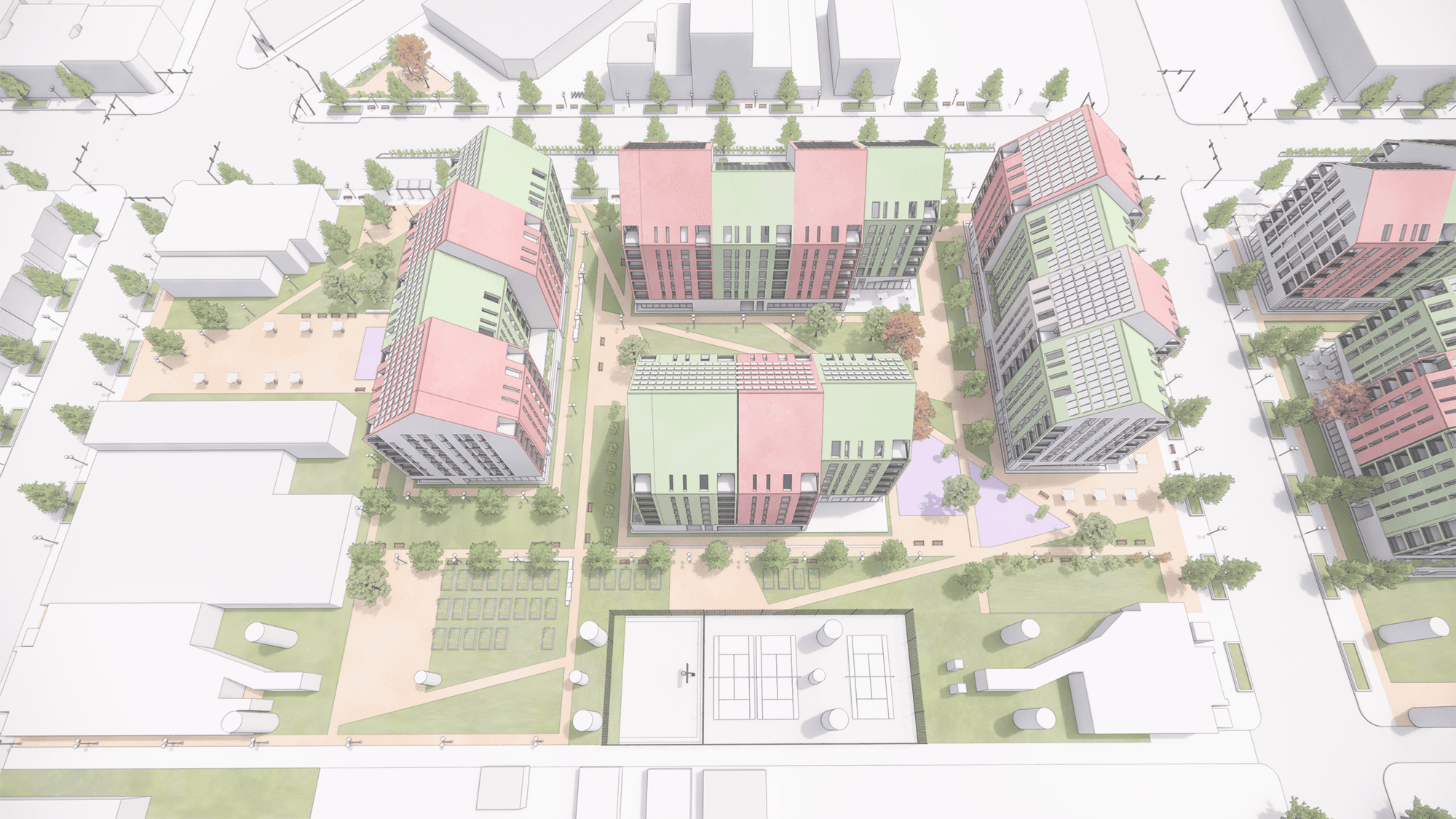
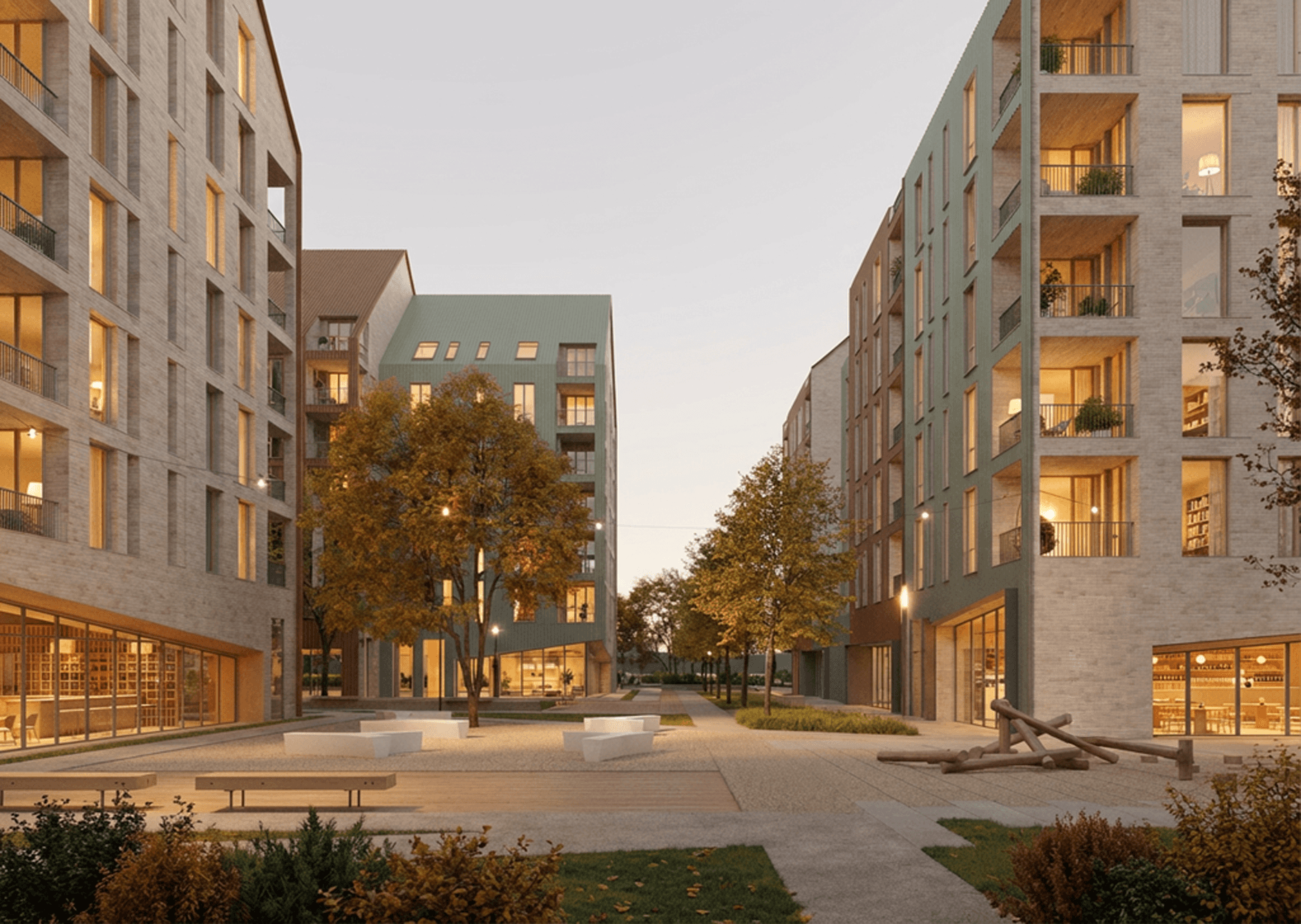
Ground-floor uses play a central role in shaping district character. Transparent facades, active programs, and clearly defined entries draw people into the public realm and reinforce safety and activity throughout the day.
Buildings and public space are designed as a continuous experience, ensuring new development strengthens the street rather than turning inward.
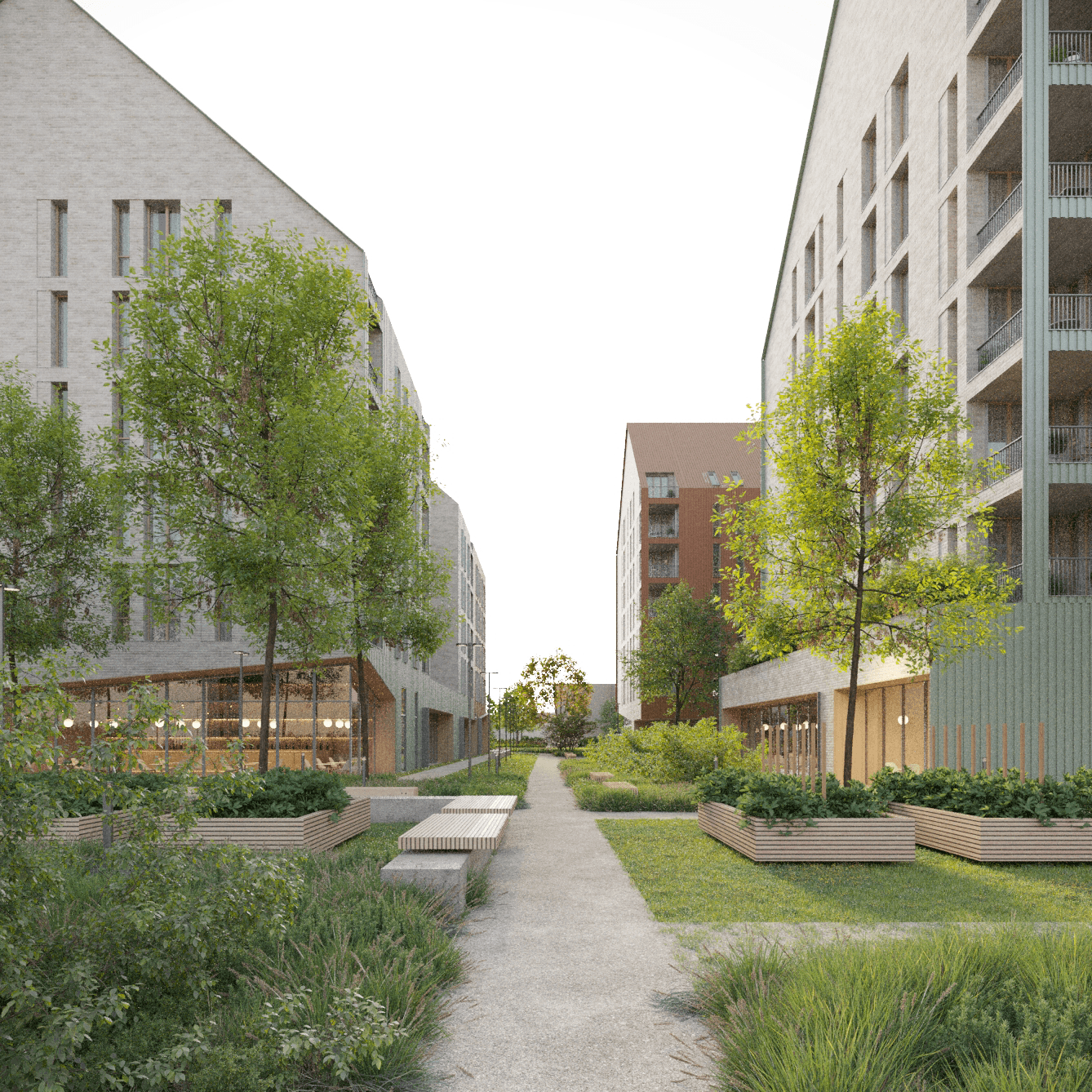
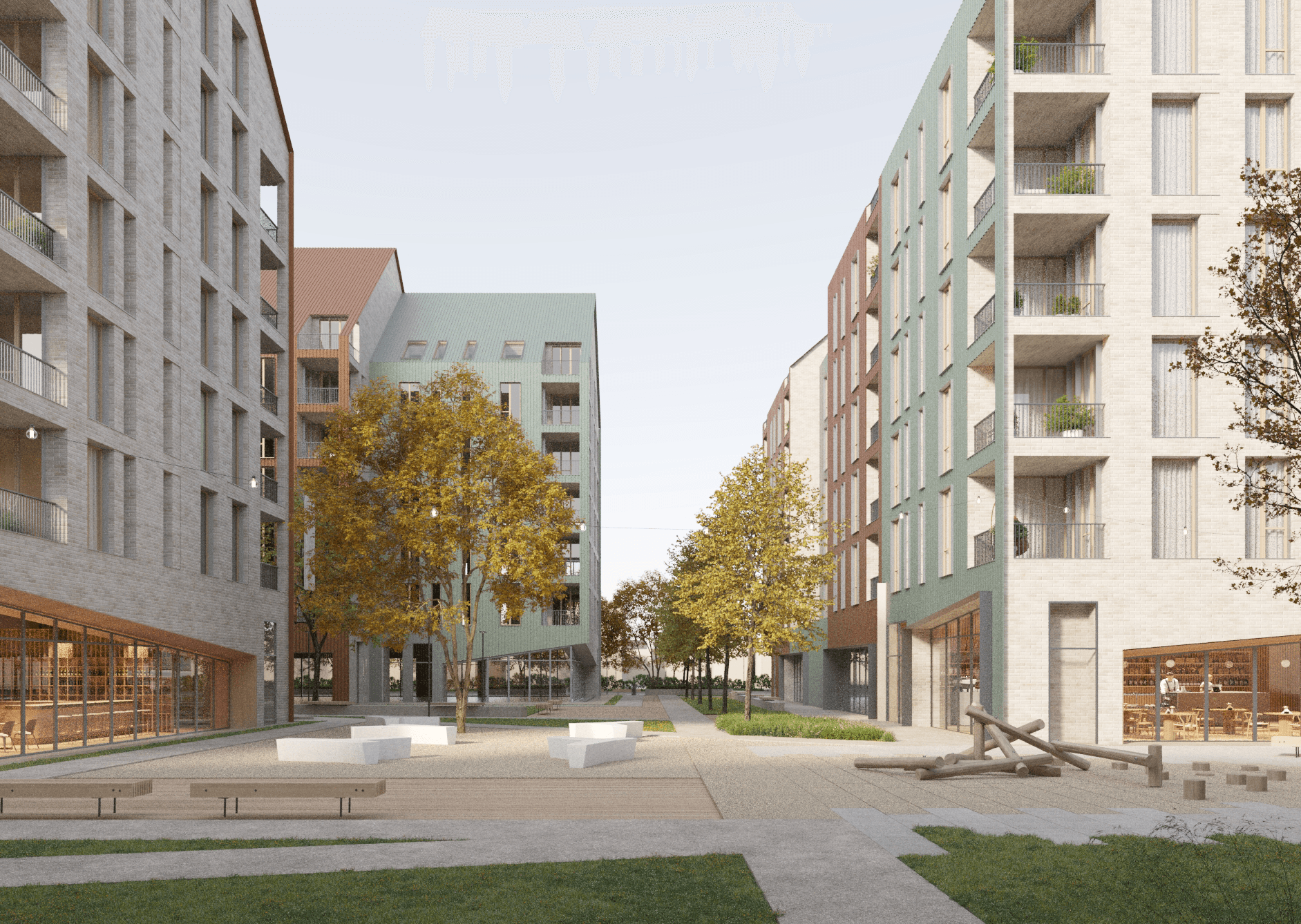
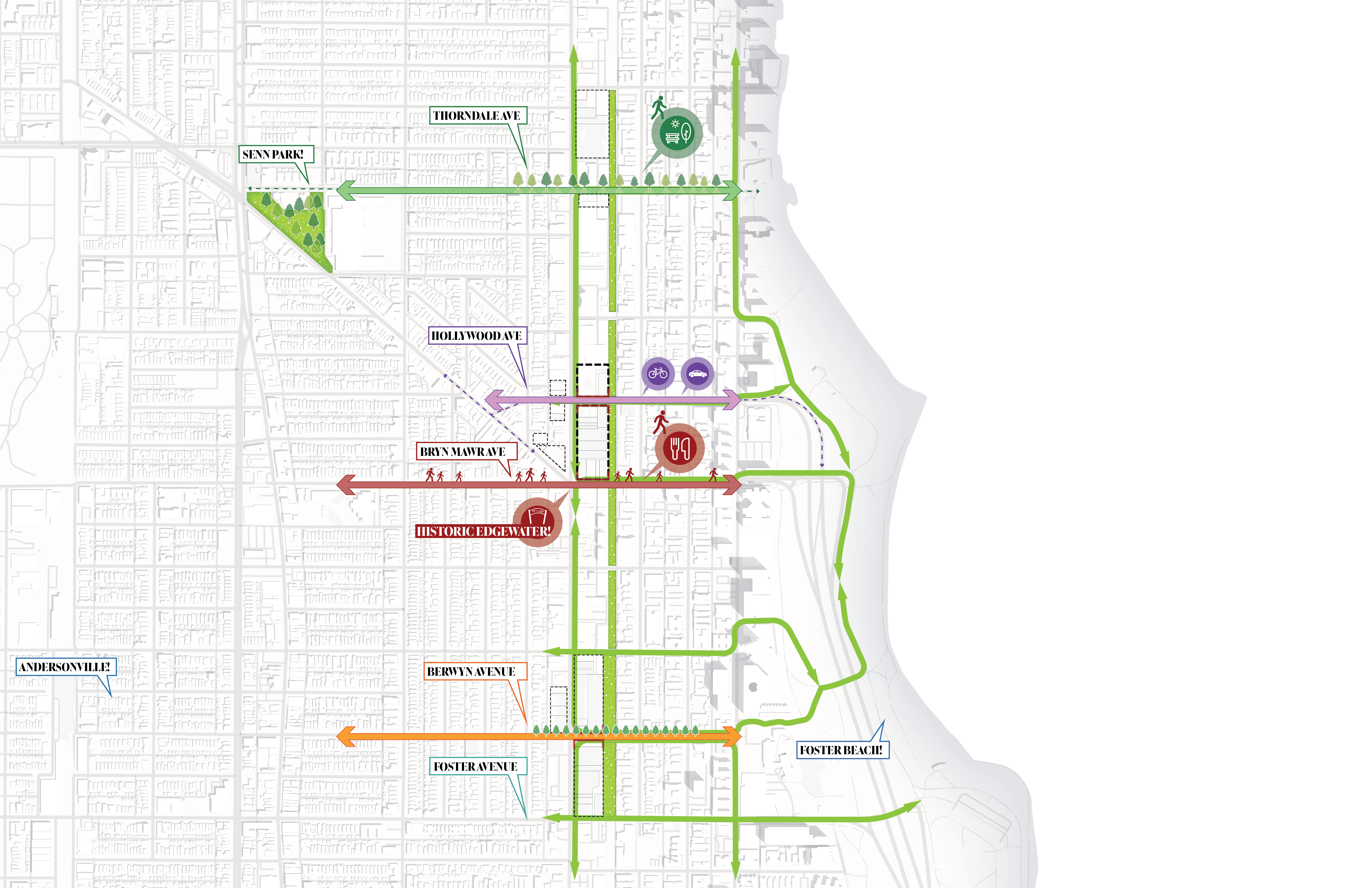
Plazas, streets, and under-track spaces form a connected network of shared places that reconnect Edgewater across long-standing physical barriers. New east–west and north–south connections link CTA stations, side streets, and neighborhood destinations.
Public life becomes a sequence of connected experiences rather than isolated pockets, restoring continuity at both the neighborhood and district scale.
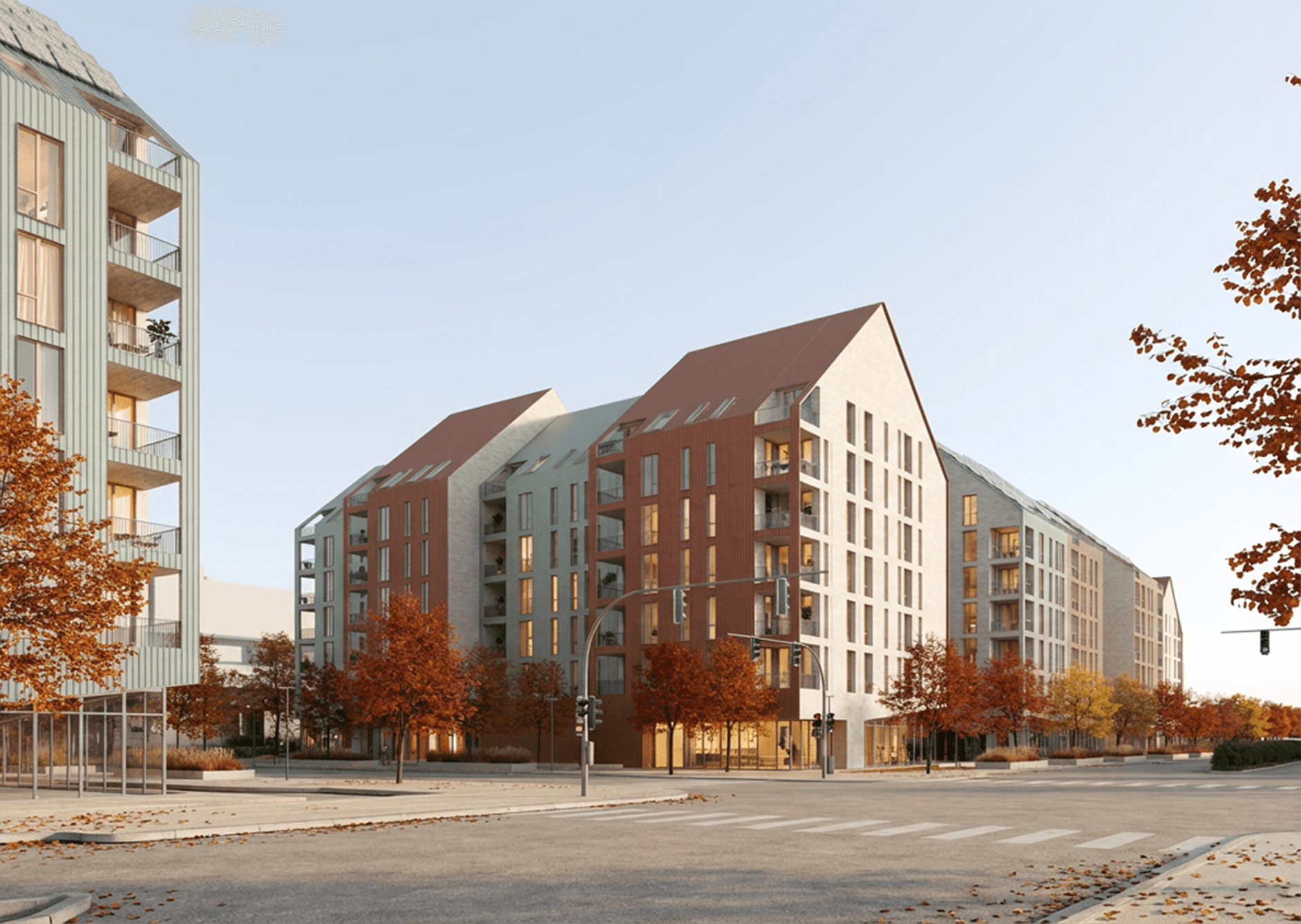
All design decisions are informed by realistic development conditions, entitlement pathways, and operational considerations. The framework provides clarity for public agencies, partners, and community stakeholders while allowing flexibility as projects phase over time.
By aligning long-term vision with feasibility, the Edgewater Framework offers a resilient and attainable roadmap for growth rooted in local priorities and everyday urban life.
Related Research.
This work builds on earlier transit-oriented development research in Chicago.

Next projects.
(2016-25©)